Siding Installation in Austin, TX
Siding installation is the process of installing an exterior wall system designed to protect a structure from weather, moisture, and long-term material degradation. In Austin, TX, siding must withstand prolonged heat, intense UV exposure, seasonal storms, fluctuating humidity, and sudden hail events that place constant stress on exterior materials. Homes in areas like West Lake Hills, Lakeway, and Bee Cave experience different exposure levels based on elevation, sun orientation, and wind patterns. Barton Creek Siding Experts provides siding installation across Austin and surrounding communities, applying local construction knowledge to ensure exterior systems perform reliably in Central Texas conditions.
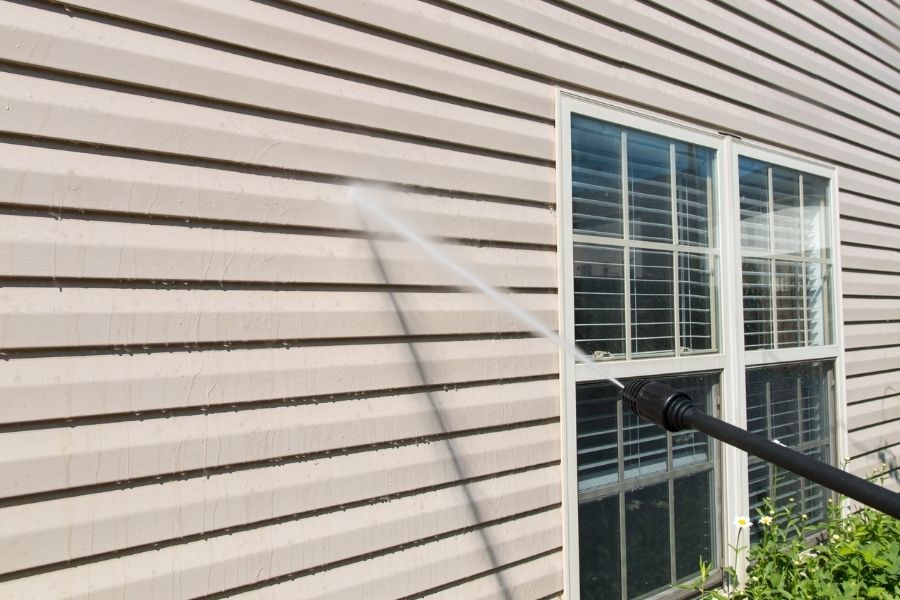
Understanding Siding Installation
What Is Siding Installation?
Siding installation involves attaching a protective exterior cladding system to a structure’s outer walls. A complete system includes siding panels, weather-resistant barriers, flashing, trim components, and ventilation spacing that allows walls to manage heat and moisture effectively.
Professional siding installation ensures proper fastening methods, expansion gaps, and moisture control strategies tailored to Austin’s climate, where daily temperature swings and prolonged heat exposure can cause materials to shift if installed incorrectly.
Historically, homes built in Austin prior to the 1950s relied heavily on wood siding or masonry exteriors. As suburban development expanded through the 1970s and 1980s in areas such as Rollingwood, Sunset Valley, and Oak Hill, builders began adopting aluminum and engineered wood siding to reduce maintenance demands.
Today, fiber cement and composite siding systems dominate newer construction in Cedar Park, Pflugerville, and Leander, where building codes increasingly emphasize durability, fire resistance, and moisture management. A majority of newer Austin-area homes now rely on composite siding materials designed to outperform traditional wood in high-heat environments.
Advantages of modern siding systems include:
Increased resistance to UV degradation
Improved moisture management
Enhanced energy efficiency
Compatibility with diverse architectural styles
Why Austin Homes and Buildings Need Siding Installation
Common Siding Problems in Austin, TX
Austin’s climate creates predictable stress patterns that accelerate siding deterioration when materials or installation methods are not climate-appropriate.
Heat and UV Exposure Damage
The Mechanism
Austin regularly experiences summer temperatures exceeding 100°F combined with a high UV index. Continuous solar exposure causes siding materials to expand and contract daily, leading to surface fatigue, warping, and long-term brittleness.
Symptoms
Faded or chalky finishes
Warped or bowed panels
Cracking along edges
Neighborhood Impact
Homes in Lakeway, Hudson Bend, and The Hills often experience accelerated damage due to prolonged afternoon sun exposure.
Moisture Intrusion and Humidity Stress
The Mechanism
Spring rainfall and sustained humidity allow moisture to penetrate poorly sealed siding systems. Trapped moisture compromises wall assemblies and encourages mold growth.
Symptoms
Swollen siding boards
Mold or mildew staining
Interior moisture marks
Location-Specific Factors
Properties near greenbelts and creeks in Lost Creek and Dripping Springs are especially vulnerable.
Storm and Hail Damage
The Mechanism
Severe thunderstorms and hail events—such as those recorded in March 2021 and April 2023—can fracture or dislodge siding panels in a single storm cycle.
Symptoms
Cracked panels
Loose or missing sections
Exposed moisture barriers
Aging and Outdated Materials
In cases where siding materials have reached the end of their functional lifespan, siding replacement becomes necessary to restore moisture protection, structural performance, and exterior integrity—especially on older Austin homes built with legacy materials not designed for current climate conditions.
Signs You Need Siding Installation
Property owners should watch for these indicators:
Cracks or fractures in siding panels
Warping during hot months
Uneven fading or discoloration
Soft spots when pressed
Mold or mildew growth
Rising energy bills
Interior wall staining
Loose panels after storms
Minor or localized damage caused by impact or weather exposure may only require professional siding repair rather than a full exterior overhaul, depending on material condition and moisture intrusion levels.
What Our Customers Are Saying
Trustindex verifies that the original source of the review is Google. Austin's roofing contractors are known for their professionalism, timely service, and quality workmanship. Many offer free inspections and use durable materials suited for Texas weather.Trustindex verifies that the original source of the review is Google. Barton Creek Siding Experts did an amazing job—professional, detailed, and easy to work with!Google rating score: 5.0 of 5, based on 2 reviews
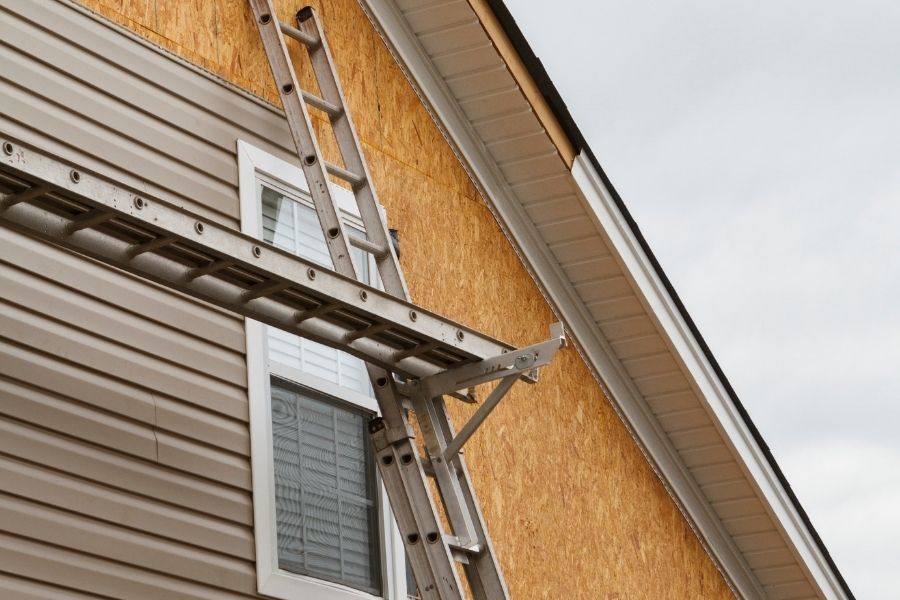
Schedule Your Free Siding Installation Inspection
If you are considering exterior upgrades, Barton Creek Siding Experts offers free siding inspections across Austin, TX and surrounding communities. Our team evaluates exposure risks, material condition, and performance concerns to provide clear, practical recommendations.
We proudly serve West Lake Hills, Bee Cave, Lakeway, Cedar Park, and nearby areas. Schedule your free inspection today to protect your property with a siding system designed for Central Texas conditions.
How We Perform Siding Installation in Austin, TX
Our Process
Initial Evaluation (Day 1)
Assessment of existing siding, substrate condition, and exposure risks.Material Selection (Day 1–2)
Recommendations based on heat exposure, humidity, and architectural style.Surface Preparation (Day 2)
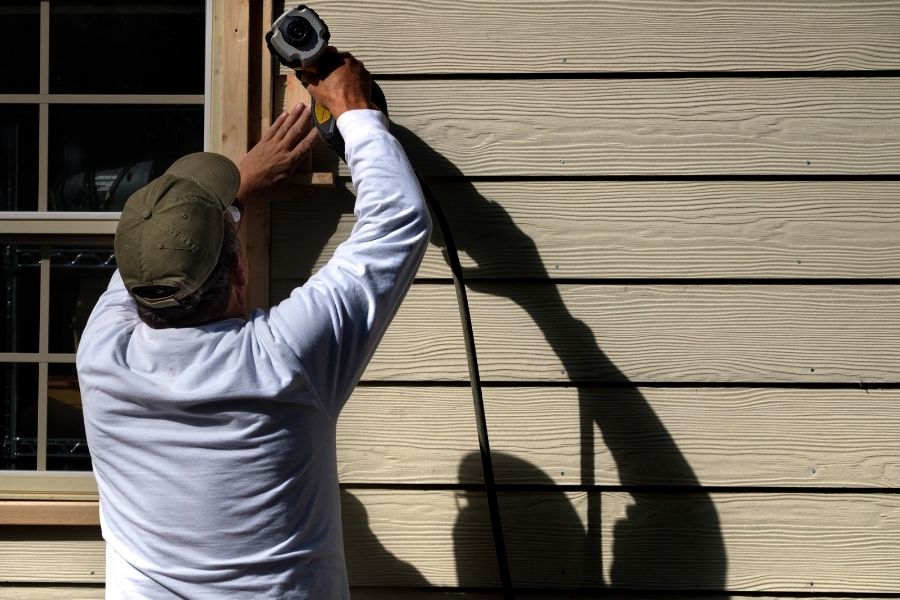
Removal of old materials and installation of moisture barriers.Precision Installation (Days 3–5)
Panels installed with expansion allowances for thermal movement.Flashing and Trim Integration (Day 5–6)
Sealing around openings and transitions.Final Inspection (Day 6–7)
Code compliance and performance verification.
Our team provides comprehensive siding services for residential, commercial, historic, and industrial properties throughout Austin and surrounding communities.
Siding Installation Methods and Approaches
Fiber Cement Siding
Excellent heat and moisture resistance
Long service life
Higher upfront cost
Engineered Wood Siding
Natural appearance
Improved dimensional stability
Moderate maintenance needs
Vinyl Siding
Cost-effective
Moisture-resistant
Requires correct installation to avoid heat warping
Metal Siding
High durability
Fire resistant
Common in commercial and industrial buildings
Siding Installation Cost in Austin, TX
Siding installation in Austin typically ranges from $7 to $15 per square foot.
Typical project costs include:
Small residential projects: $8,000–$14,000
Full exterior projects: $12,000–$25,000+
Commercial buildings: Varies by scale
Key cost drivers:
Material choice
Building height and access
Removal of existing siding
Storm-related repairs
Austin, TX Neighborhoods We Serve
We install siding across:
West Lake Hills: Custom homes with high sun exposure
Bee Cave: Newer construction with fiber cement systems
Lakeway: Wind-exposed hillside properties
Oak Hill: Mixed-era construction
Cedar Park: Suburban developments with modern siding materials
Each neighborhood presents unique environmental and construction considerations.
Maintaining Your Siding in Austin, TX
Rinse siding annually
Inspect after major storms
Trim vegetation away from walls
Check seals and caulking yearly
Schedule professional inspections every 2–3 years
Address minor damage promptly
Why Austin Property Owners Choose Barton Creek Siding Experts
Austin property owners choose Barton Creek Siding Experts because they work with experienced siding experts who understand how Central Texas heat, humidity, and storm cycles affect exterior materials over time. Our team specializes in material-specific installation strategies and long-term performance rather than short-term fixes.
Frequently Asked Questions About Siding Installation
How long does siding installation take?
Most projects take between 1 and 7 days.
What siding material performs best in Austin heat?
Fiber cement performs exceptionally well in high-heat environments.
How often should siding be inspected?
Every 2–3 years or after major storms.
Can siding improve energy efficiency?
Yes, properly installed siding improves thermal performance.
Is siding installation disruptive?
Temporary noise is expected, but disruption is limited.
Are permits required?
Some projects require permits depending on scope and location.
Does siding help with moisture control?
Yes, when installed with proper barriers and ventilation.
Your siding is your home’s first defense against Texas weather — make sure it’s built to last. Call Barton Creek Siding Experts today or request your free consultation online to start your project.