Siding painting in Austin, TX is the process of restoring and protecting exterior siding surfaces using coatings specifically designed to withstand Central Texas heat, UV exposure, humidity, and sudden weather extremes. Unlike cooler or coastal regions, Austin’s climate places constant stress on exterior paint systems through prolonged summer temperatures, high solar intensity, seasonal moisture swings, and occasional freeze events.
Understanding Siding Painting Systems
What Is Siding Painting?
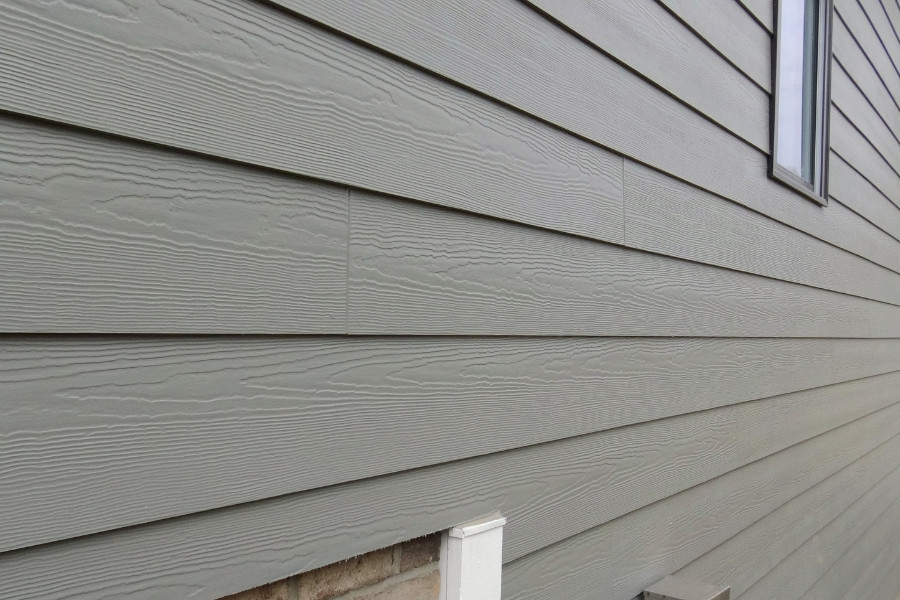
Siding painting is the application of protective paint and coating systems to exterior cladding materials such as fiber cement, engineered wood, natural wood, and certain vinyl siding products. While paint enhances appearance, its primary role is to act as a sacrificial barrier, absorbing UV radiation, shedding moisture, and regulating thermal movement in the siding beneath.
In Austin, siding painting became widespread during the post-1980 residential expansion, when fiber cement and engineered wood siding gained popularity in communities like Lakeway, The Hills, and Circle C. These materials were selected for affordability and aesthetics but rely heavily on properly maintained paint systems to prevent degradation under extreme sun exposure.
Today, siding painting remains common across residential, commercial, and historic properties throughout the Austin metro area. It is estimated that 60–70% of Austin homes with siding require repainting every 7–12 years, a shorter cycle than in many other U.S. regions due to UV intensity and temperature fluctuation. When paint systems are poorly applied or not matched to Austin’s climate, failure can occur in as little as 3–5 years.
Why Austin Homes and Buildings Need Siding Painting
Austin’s environmental conditions create a unique combination of stressors that directly impact siding paint performance. These conditions cannot be addressed with generic exterior painting approaches.
UV Radiation and Extreme Heat Exposure
The Mechanism
Austin averages more than 3,000 hours of sunlight annually, with summer UV indexes frequently reaching 10–11. On west-facing walls, siding surface temperatures commonly exceed 135–145°F during July and August. Prolonged UV exposure breaks down paint binders, while heat accelerates oxidation and causes repeated expansion and contraction of siding materials.
Symptoms
Noticeable fading and uneven coloration
Chalking residue on fiber cement siding
Brittle paint films that crack under stress
Austin-Specific Factors
Homes in West Lake Hills, Lost Creek, and Lakeway often sit on elevated terrain with minimal shade, intensifying UV exposure compared to lower-elevation areas east of MoPac.
Moisture Intrusion and Humidity-Driven Paint Failure
The Mechanism
Austin’s average relative humidity ranges between 55–70%, with extended moisture exposure during spring storms and fall rain events. Moisture penetrates microfractures in paint films, weakening adhesion between paint and siding—especially when surfaces were not fully dried before application.
Symptoms
Peeling and flaking paint
Bubbling or blistering under the paint surface
Dark staining beneath coating layers
Austin-Specific Factors
Neighborhoods like Oak Hill, Bee Cave, and Manchaca retain moisture longer due to dense vegetation and reduced airflow. Paint systems without proper vapor permeability trap moisture, accelerating failure.
Freeze Events and Thermal Shock
The Mechanism
Rapid temperature drops cause siding and paint films to contract at different rates. During the February 2021 Winter Storm Uri, temperatures in Austin fell below 15°F for extended periods, causing rigid paint systems to fracture and lose adhesion.
Symptoms
Hairline cracking along siding seams
Paint separation at joints and trim
Accelerated peeling the following spring
Austin-Specific Factors
North-facing elevations in shaded areas such as Rollingwood and Hudson Bend experienced the most severe thermal shock due to limited solar warming.
Mold and Mildew Growth on Shaded Siding
The Mechanism
Warm temperatures combined with humidity create ideal conditions for biological growth. Mold and mildew feed on organic particles embedded in paint films, gradually degrading the coating.
Symptoms
Green or black surface staining
Persistent musty odors
Premature paint breakdown
Austin-Specific Factors
Tree-heavy neighborhoods like Dripping Springs and Cedar Valley experience accelerated mildew growth without mildew-resistant coatings and regular maintenance.
Signs You Need Siding Painting
Exterior Signs
Faded or uneven paint color
Chalking residue on siding
Peeling, flaking, or cracking paint
Structural and Functional Signs
Exposed siding material
Swelling or soft spots on wood-based siding
Moisture staining near joints or trim
Austin-Specific Timing Indicators
Rapid deterioration after summer heat
Paint failure following spring storms
Cracking after freeze events
Call immediately if bare siding is exposed or water intrusion is suspected.
How We Perform Siding Painting in Austin, TX
Step 1: Detailed Exterior Evaluation
We assess siding type, sun orientation, moisture exposure, and prior coatings. Austin’s directional sun exposure heavily influences coating selection.
Timeline: 1–2 hours
Step 2: Surface Cleaning and Mildew Treatment
Surfaces are thoroughly cleaned to remove pollen, limestone dust, and biological growth common in Central Texas.
Timeline: 1 day
Step 3: Siding Repairs and Surface Stabilization
Minor cracks, gaps, and deteriorated sections are repaired to prevent moisture entrapment.
Timeline: 1 day
Step 4: Primer Application
Primers are selected based on siding material and humidity levels to ensure proper adhesion.
Timeline: 1 day
Step 5: Climate-Engineered Paint Application
Paints with high UV resistance and flexible binders are applied to accommodate Austin’s temperature swings.
Timeline: 1–2 days
Step 6: Final Inspection and Cleanup
Coverage, adhesion, and detailing are inspected for long-term performance.
Timeline: Same day
Siding Painting Methods and Approaches
Fiber Cement Siding Painting
Uses UV-stable acrylic coatings to resist chalking.
Best For: Most Austin homes
Cost: Mid-range
Engineered Wood Siding Painting
Requires moisture-blocking primers and breathable topcoats.
Best For: Transitional and historic-style homes
Cost: Mid-range
Natural Wood Siding Painting
Employs vapor-permeable systems to prevent rot.
Best For: Older homes in established neighborhoods
Cost: Moderate to high
Elastomeric Coatings
Flexible coatings that bridge hairline cracks.
Best For: High-exposure elevations
Cost: Higher
Siding Painting Cost in Austin, TX
Siding painting costs in Austin typically range from $3,500 to $9,500, depending on size, height, and preparation needs.
Cost by Scope
Small homes: $3,500–$5,000
Medium homes: $5,000–$7,500
Large or multi-story homes: $7,500–$9,500+
Austin-Specific Cost Factors
West-facing elevations requiring premium coatings
HOA color restrictions in Lakeway and The Hills
Steep Hill Country lots increasing labor complexity
Seasonal demand after hail or freeze events
Many homeowners reference a detailed [siding painting cost guide] for planning.
Austin-Area Neighborhoods We Serve
West Lake Hills (1960s–present)
Large homes with extreme sun exposure and wind-driven rain challenges.
Rollingwood (1950s–1970s)
Tree-dense lots requiring mildew-resistant paint systems.
Bee Cave (1990s–present)
High humidity zones with frequent biological growth.
Lakeway (1970s–present)
HOA-regulated communities with strict color and finish standards.
Oak Hill (1940s–1980s)
Mixed-era homes with moisture retention challenges.
Maintaining Your Painted Siding in Austin, TX
Rinse siding annually to remove pollen and dust
Inspect west-facing walls after summer
Address mildew growth early
Maintain gutters and drainage
Schedule professional inspections every 2–3 years
Consistent maintenance significantly extends paint lifespan in Austin’s climate.
What Our Customers Are Saying
Our reputation is built on referrals and repeat customers who trust our quality and professionalism.
Trustindex verifies that the original source of the review is Google. Austin's roofing contractors are known for their professionalism, timely service, and quality workmanship. Many offer free inspections and use durable materials suited for Texas weather.Trustindex verifies that the original source of the review is Google. Barton Creek Siding Experts did an amazing job—professional, detailed, and easy to work with!Google rating score: 5.0 of 5, based on 2 reviews
Why Austin Property Owners Choose Barton Creek Siding Experts
Barton Creek Siding Experts focuses exclusively on exterior siding systems and understands how Austin’s climate accelerates paint failure. Our unique expertise lies in Hill Country properties, HOA-regulated communities, and high-exposure homes requiring advanced coating systems.
We apply climate-specific methods, use premium materials, and stand behind our work with dependable warranties. Property owners trust our local knowledge because we design solutions for Austin—not generic exterior painting approaches.
Upgrade Your Home’s Exterior
Boost your home’s energy efficiency and appearance with modern, low-maintenance siding. Call (512) 634-8683 today or book your free estimate online — we’ll make your vision a reality.
Frequently Asked Questions About Siding Painting
How long does siding painting take in Austin?
Most projects take 2–5 days, depending on preparation and size.
How much does siding painting cost in Austin, TX?
Costs typically range from $3,500 to $9,500.
Can I stay in my home during siding painting?
Yes, most projects allow full occupancy.
Why does Austin’s climate reduce paint lifespan?
UV intensity, heat, humidity, and freeze events accelerate paint breakdown.
Is fiber cement siding easy to repaint?
Yes, when properly cleaned and primed.
Schedule Your Free Siding
Painting Inspection
If your siding shows signs of fading, peeling, or weather damage, a professional inspection is the first step. Barton Creek Siding Experts offers free siding painting inspections throughout Austin and surrounding Hill Country communities.
We evaluate your siding, explain climate-appropriate solutions, and provide clear recommendations—without pressure. Contact Barton Creek Siding Experts today to protect your siding from Austin’s demanding environment and extend its lifespan with confidence.
Your siding is your home’s first defense against Texas weather — make sure it’s built to last. Call Barton Creek Siding Experts today or request your free consultation online to start your project.