Vinyl vs fiber cement siding in Austin, TX is one of the most common comparisons homeowners make when planning an exterior upgrade or full siding replacement. Both materials are widely used across Central Texas, but they perform very differently under Austin’s extreme heat, UV exposure, spring hailstorms, humidity cycles, and wind events. Vinyl siding is a lightweight PVC-based cladding known for affordability and low maintenance. Fiber cement siding is a cement-based composite reinforced with cellulose fibers, valued for durability and fire resistance. In neighborhoods like Cedar Park and Lakeway, both materials are commonly installed on residential properties depending on budget, style, and performance expectations. Barton Creek Siding Experts helps homeowners evaluate which system better aligns with Austin’s climate demands, architectural style, and long-term maintenance goals.
Vinyl siding is manufactured from polyvinyl chloride (PVC) resin and formed into interlocking panels. It is designed to expand and contract with temperature changes and is typically installed over a moisture barrier.
Advantages:
Lower upfront cost
Minimal repainting requirements
Lightweight and quick installation
Limitations:
Susceptible to heat distortion
Can crack in impact situations
Limited texture depth compared to wood alternatives
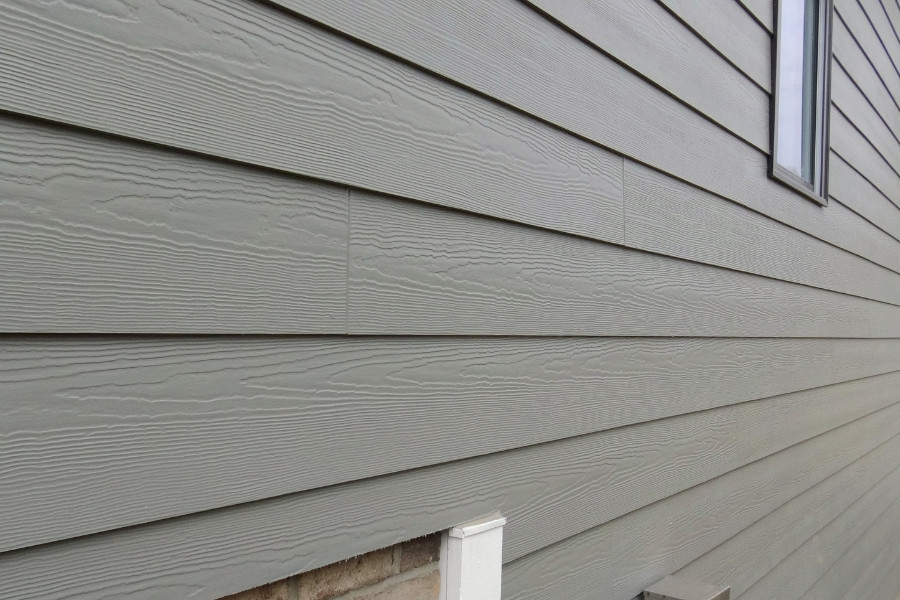
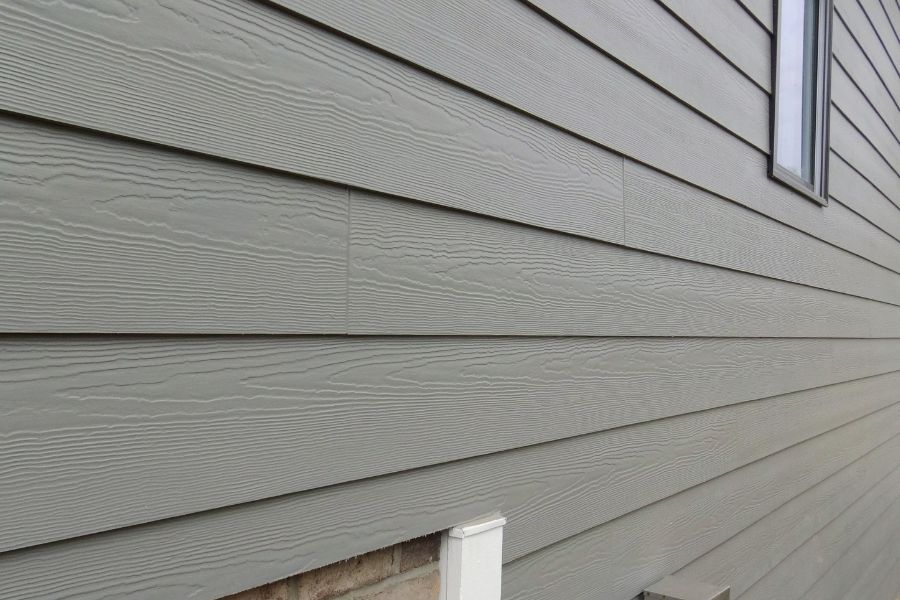
Fiber cement siding is composed of cement, sand, and cellulose fibers. It is heavier and more rigid than vinyl, offering enhanced durability and fire resistance.
Advantages:
Strong resistance to heat and UV exposure
Higher impact resistance
Better dimensional stability
Limitations:
Higher material and labor costs
Heavier installation process
Requires periodic repainting
In Austin, fiber cement has become especially popular in modern builds and higher-end remodels, while vinyl remains common in budget-conscious developments.
Austin regularly experiences 100°F+ summer temperatures, high UV indexes, hail-producing storms, and humidity fluctuations that stress exterior cladding.
Vinyl Mechanism:
Vinyl expands significantly in high heat. Improperly installed panels can warp or buckle.
Fiber Cement Mechanism:
Fiber cement remains dimensionally stable under high temperatures.
Austin Impact:
South-facing walls in areas like Bee Cave experience intense solar exposure. Fiber cement generally performs better under prolonged heat stress.
Vinyl:
Can crack or puncture from large hail.
Fiber Cement:
More impact-resistant, though not indestructible.
Austin Impact:
Spring hailstorms affecting Round Rock and Pflugerville often lead to inspection requests. Fiber cement typically shows fewer visible impact failures.
Vinyl:
Does not absorb moisture but may trap water behind panels if improperly detailed.
Fiber Cement:
Resistant to rot but must be properly sealed and painted.
Austin Impact:
Heavy spring storms require correct flashing and drainage for both materials.
Fiber cement offers superior fire resistance, an important consideration in drought-prone areas around Dripping Springs and Lakeway.
Trustindex verifies that the original source of the review is Google. Austin's roofing contractors are known for their professionalism, timely service, and quality workmanship. Many offer free inspections and use durable materials suited for Texas weather.Trustindex verifies that the original source of the review is Google. Barton Creek Siding Experts did an amazing job—professional, detailed, and easy to work with!Google rating score: 5.0 of 5, based on 2 reviews
Planning full siding installation
Replacing storm-damaged cladding
Budget evaluation for exterior upgrade
Concern about heat-related warping
Desire for long-term durability
Considering resale value impact
Updating suburban home exterior
Evaluating maintenance commitments
Install moisture barrier
Attach starter strips and trim
Hang interlocking panels with expansion space
Secure loosely to allow thermal movement
Final trim and inspection
Timeline: 3–5 days depending on home size
Structural inspection and substrate prep
Install moisture barrier and flashing
Cut and fasten boards precisely
Caulk joints and seams
Prime/paint if required
Final inspection
Timeline: 5–7 days due to heavier material handling
Proper installation reduces long-term siding repair risks for both systems.
$3–$7 per sq ft (material)
$6–$12 per sq ft (installed)
$5–$10 per sq ft (material)
$9–$18 per sq ft (installed)
Cost Drivers:
Home height and accessibility
Removal of existing siding
Insulation upgrades
Architectural detailing
Vinyl generally has lower upfront cost, while fiber cement often provides longer service life.
Cedar Park: Vinyl common in large subdivisions
Round Rock: Mix of vinyl and fiber cement
Lakeway: Fiber cement preferred for durability
Dripping Springs: Fiber cement popular in fire-conscious zones
Bee Cave: Both materials used depending on budget
Each neighborhood’s exposure and architectural style influences material selection.
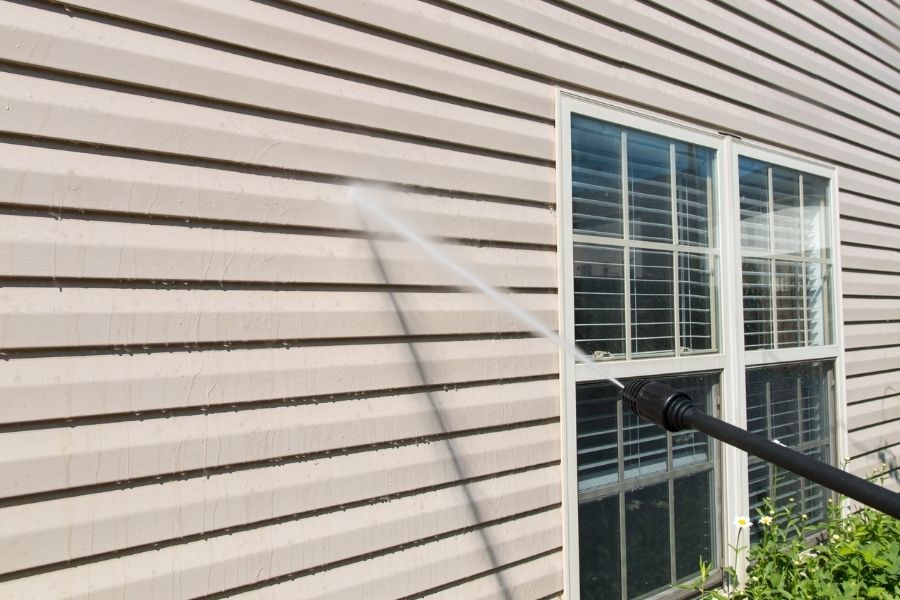
Occasional washing
Inspect for cracks after hail
Monitor for panel movement
Repaint every 10–15 years
Inspect caulk and joints
Check for impact damage
Both materials benefit from periodic inspections, particularly after hail season.
Austin homeowners often rely on experienced siding experts when comparing materials. Barton Creek Siding Experts provides unbiased guidance based on climate performance, structural needs, and budget considerations. Whether coordinating composite siding installation alternatives or full fiber cement upgrades, the company delivers professional siding services focused on durability and proper detailing in Central Texas conditions.
Choosing between vinyl and fiber cement siding in Austin, TX depends on your budget, exposure conditions, and long-term goals. Barton Creek Siding Experts offers free exterior evaluations across Austin and surrounding communities, helping homeowners make informed decisions about siding materials with confidence and clarity.
Fiber cement typically offers longer lifespan under extreme heat.
It performs adequately when installed correctly but may warp under extreme exposure.
Fiber cement generally resists impact better than vinyl.
Yes, both material and labor costs are higher.
Fiber cement is often perceived as higher-end.
Yes, localized siding repair is possible for both.
Vinyl requires less repainting but should still be inspected regularly.
Your siding is your home’s first defense against Texas weather — make sure it’s built to last. Call Barton Creek Siding Experts today or request your free consultation online to start your project.
Provide your name, phone number, and any specific service requirements.