
Composite Siding in Austin, TX
Composite siding in Austin, TX is an engineered exterior cladding made from a blend of wood fibers, resins, polymers, and binding agents designed to replicate the look of natural wood while offering improved durability and stability. In Austin’s climate—where summer temperatures frequently exceed 100°F, UV levels remain high for much of the year, and spring hailstorms are common—exterior materials must resist heat expansion, moisture cycles, and impact stress.
- Service area
- Austin, TX & nearby
- Phone
- (512) 634-8683
- Hours
- Mon-Sun: 7:00 am – 7:00 pm
- Estimates
- Free, no obligation
Understanding Composite Siding
Composite siding is a manufactured exterior Siding Solution created by combining recycled wood fibers with synthetic resins and protective additives. Unlike natural wood, which can warp or rot, composite panels are engineered for dimensional stability. Compared to vinyl, they are typically thicker and more impact-resistant. Compared to fiber cement, they are lighter and often easier to cut and install.
The material gained popularity in the early 2000s as homeowners sought alternatives to traditional wood siding, particularly in regions with moisture or termite concerns. In Austin, composite siding became more common in the 2010s as newer developments in Bee Cave, Lakeway, and Pflugerville emphasized low-maintenance exterior finishes that still maintained a natural aesthetic. These modern Siding Materials allow homeowners to achieve the look of wood without the same long-term upkeep demands.
Read moreShow less
Composition and Performance Characteristics
- Engineered wood fibers bonded with resins
- Factory-applied protective coatings
- Designed to resist cracking and splitting
- More flexible than fiber cement
- More impact-resistant than vinyl
Composite siding fits well with Austin’s blend of contemporary Hill Country homes, Craftsman-style properties in Rollingwood, and transitional suburban architecture in Leander and Cedar Park. When properly installed, it resists many common siding problems such as moisture intrusion and surface cracking. However, incorrect fastening or insufficient clearance can lead to expansion-related stress. Working with a trusted siding contractor ensures accurate installation techniques suited to Central Texas heat and seasonal humidity shifts.
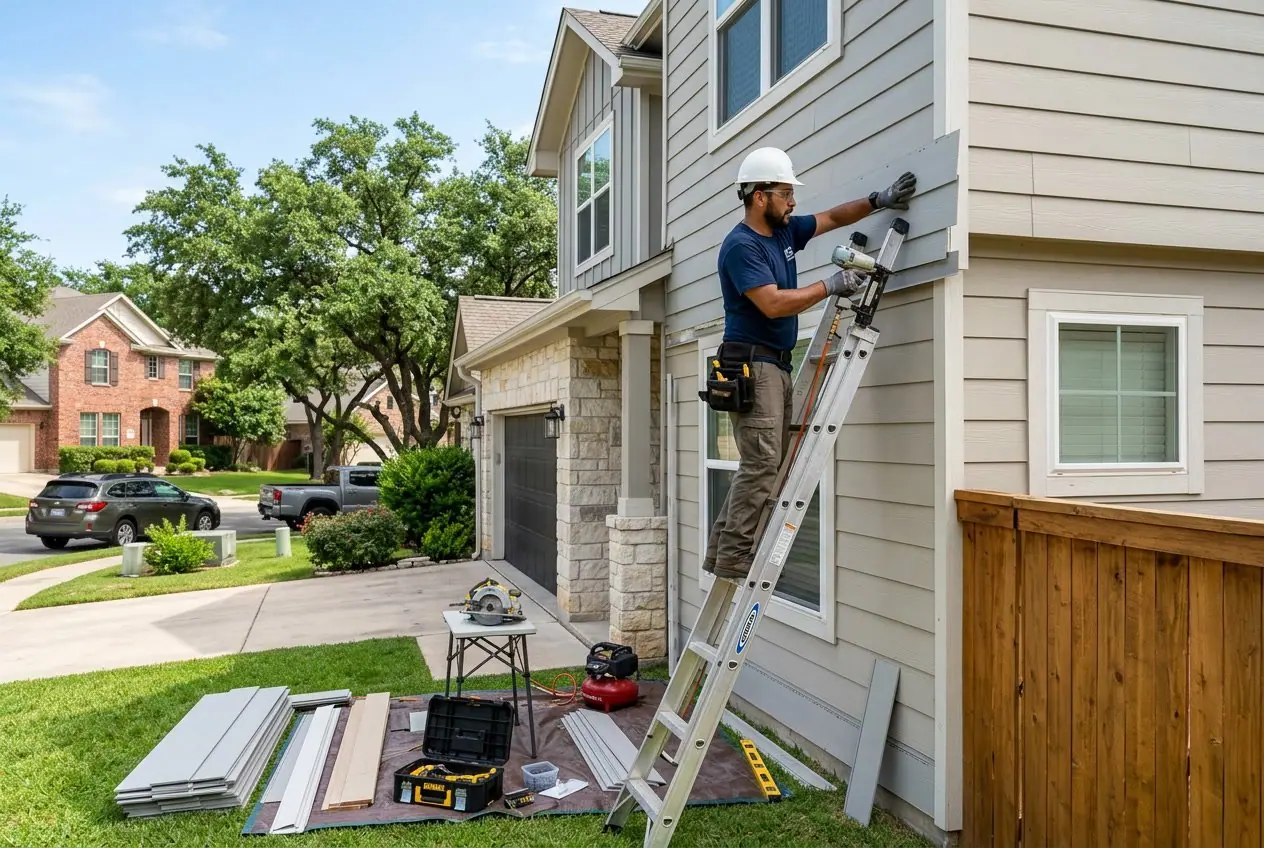
How Composite Siding Performs in Austin Conditions
Austin’s environmental profile creates specific performance challenges:
- Summer highs: 95–105°F
- Surface wall temps: 130°F+ on west-facing elevations
- Annual rainfall: ~34 inches
- Frequent hail season (March–June)
- Humidity swings between drought and storm cycles
Hail Impact Resistance
The Mechanism:
Spring storms in Travis and Williamson County frequently produce hail measuring 1–2 inches in diameter. In April 2021, severe hail impacted Round Rock and Cedar Park, causing widespread exterior damage.
Composite siding absorbs impact energy more effectively than vinyl and is less brittle than fiber cement. Its engineered density reduces cracking from hail strikes.
Symptoms After Storms:
- Surface scuffing
- Minor indentation
- Coating abrasion
Read moreShow less
Homes in Round Rock and Pflugerville often face repeated hail exposure, making impact resistance a primary consideration.
Extreme Heat & UV Exposure
The Mechanism:
Austin’s high UV index accelerates fading and thermal expansion. Composite siding expands and contracts less than vinyl but still requires expansion allowances.
Improper fastening can restrict movement, causing stress fractures during 100°F+ days.
Symptoms:
- Fading on south- and west-facing walls
- Minor edge separation
- Sealant degradation
Properties in Lakeway and The Hills—where western exposure is intense—require installation techniques that account for solar load.
Humidity & Moisture Cycling
The Mechanism:
Austin’s alternating drought and heavy rain cycles create repeated moisture absorption and drying. Composite siding resists swelling better than natural wood, but improper flashing can allow water intrusion.
Heavy thunderstorms in May and October frequently bring wind-driven rain.
Symptoms:
- Staining near seams
- Softened trim areas
- Flashing failure points
Correct water management behind panels is critical for long-term performance.
Foundation Movement & Clay Soil Expansion
Austin’s expansive clay soils, especially in Buda and Kyle, expand during rainy seasons and shrink during drought. Minor structural shifts can stress rigid siding.
Composite siding offers more flexibility than fiber cement, reducing cracking risk in areas like Manchaca and Oak Hill where soil movement is common.
Free, no-obligation estimates
Talk to Barton Creek Siding Experts
Tell us what you need and we’ll take it from there.
Signs Composite Siding May Be Right for Your Property
Aesthetic Needs
- Desire for wood-like texture without ongoing staining
- Fading or peeling existing exterior
- Historic appearance without termite risk
Durability Concerns
- Recent hail damage to vinyl
- Termite activity in nearby structures
- Repeated repainting costs
Performance Indicators
- Warping from extreme sun exposure
- Visible cracking in fiber cement
- Moisture intrusion after storms
If your home experienced hail within the last few seasons or shows UV-related deterioration on western elevations, it may be time to evaluate composite siding as part of a broader siding replacement strategy.
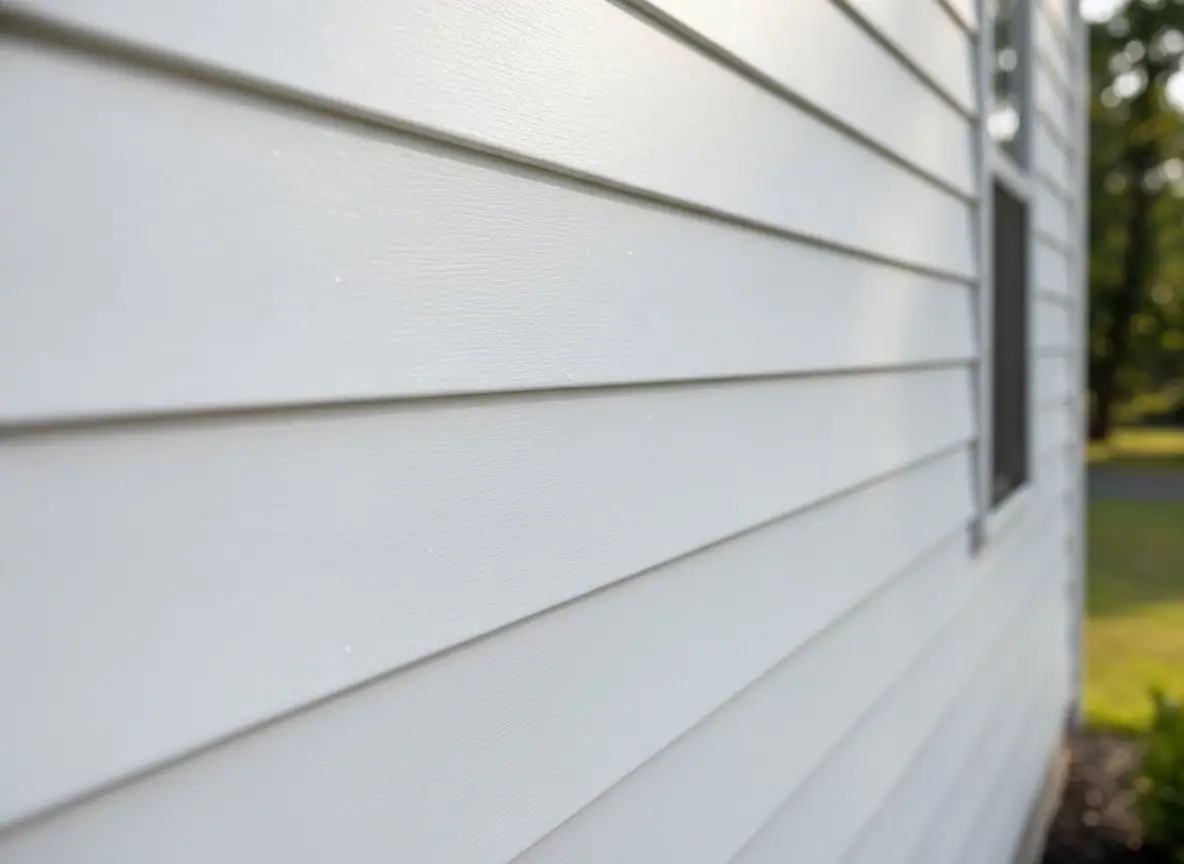
How We Install Composite Siding in Austin, TX
Composite Siding Styles, Profiles, and Applications
Composite Siding Cost in Austin, TX
Average installed cost:
- $8 – $14 per square foot installed
- Typical full-home project: $15,000 – $30,000
Material cost: $4–$8 per sq ft
Labor & installation: $4–$6 per sq ft
Factors affecting price:
- Multi-story homes in West Lake Hills
- Storm damage removal
- Custom trim profiles
- HOA requirements
- Extent of prior siding repair work
Composite siding typically costs more than vinyl but less than high-end fiber cement options.
Austin Neighborhoods Where We Install Composite Siding
West Lake Hills, TX – Custom homes requiring premium exterior finishes.
Lakeway, TX – Elevated sun exposure and hillside wind conditions.
Round Rock, TX – Storm-prone region with frequent hail claims.
Dripping Springs, TX – Rural properties exposed to wind and debris.
Cedar Park, TX – Expanding suburban developments favoring low-maintenance materials.
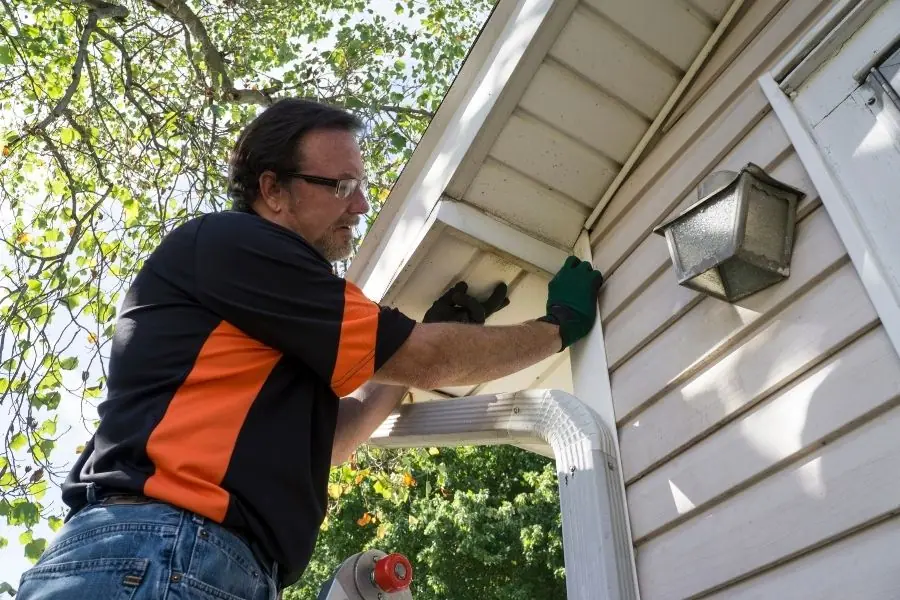
Maintaining Composite Siding in Austin
- Wash annually to remove dust and pollen
- Inspect after hail season
- Check sealants before heavy rain cycles
- Monitor expansion gaps during summer heat
- Trim back vegetation to reduce impact damage
- Inspect flashing annually
Routine maintenance ensures long-term durability.
Why Austin Property Owners Choose Barton Creek Siding Experts
- Locally owned and operated
- Specialized knowledge of Central Texas climate
- Experienced with historic exterior renovations
- Familiar with HOA and building code requirements
- Skilled in composite material evaluation and installation
Our team understands how composite siding responds to Austin’s intense heat, hail season, and humidity cycles.
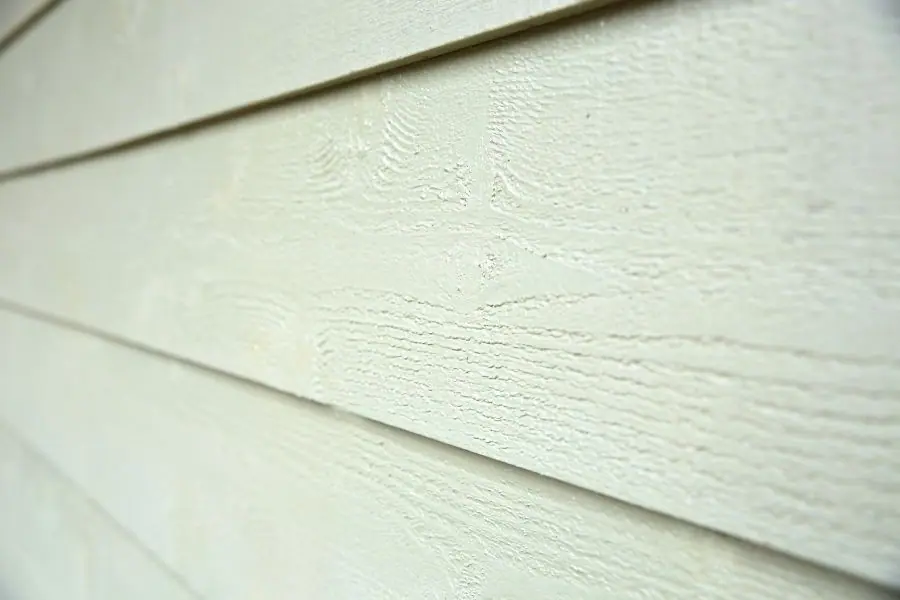
FAQ
Frequently Asked Questions About Composite Siding
How long does composite siding last in Austin?
Typically 20–30 years with proper maintenance.
Does composite siding resist hail?
Yes, it performs better than vinyl and is less brittle than fiber cement.
What is composite siding cost in Austin?
Between $8–$14 per square foot installed.
Is it better than fiber cement?
It offers greater flexibility and lighter weight but may not match fiber cement’s fire resistance.
Does composite siding resist termites?
It is less attractive to termites than wood but still requires proper installation.
Can it be repaired after storm damage?
Yes, localized siding repair is possible depending on impact severity.
Schedule Your Free Wood Siding Evaluation
If you’re considering wood siding or evaluating an existing exterior, a professional assessment can help you understand performance expectations, maintenance needs, and long-term value. Barton Creek Siding Experts offers free evaluations throughout the Austin area, helping property owners make informed decisions about wood exteriors with confidence—no pressure, just local expertise you can trust.
Your siding is your home’s first defense against Texas weather — make sure it’s built to last. Call Barton Creek Siding Experts today or request your free consultation online to start your project.
Why choose us
Why choose Barton Creek Siding Experts?
Free estimates
Get a clear, no-obligation estimate before any work begins.
Licensed & insured
Your property and our crew are protected on every project.
Residential & commercial
One team for homes, multi-family and commercial properties.
Locally owned & operated
A local team serving your community and the surrounding area.
Get in touch
Find siding help near you
Request a free estimate online or give us a call — our team will follow up quickly.
- Call us(512) 634-8683
- Visit7500 Rialto Blvd suite 250 #07, Austin, TX 78735
- HoursMon-Sun: 7:00 am – 7:00 pm