You want siding colors that look great in Austin’s light and heat while fitting your home’s style and resale value. Pick warm neutrals like taupe or earthy greens for a safe, stylish choice.
Use deep blues and charcoal for a modern, bold look that still works with Texas sunlight. Choose colors that balance heat reflection, neighborhood style, and your house’s materials for the best long-term result.
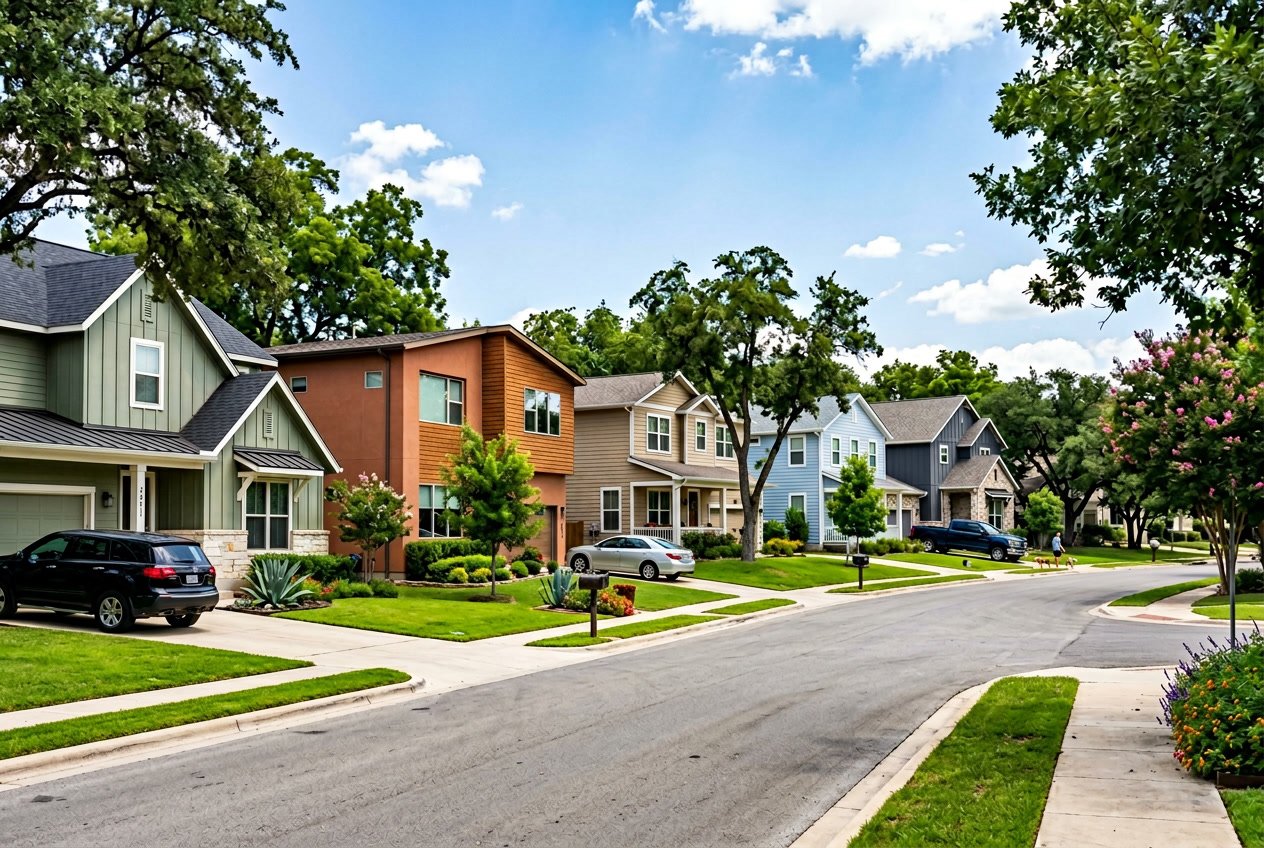
This guide shows popular local hues and smart color pairs for trim and accents. It also explains how different siding materials affect color choices so you can pick with confidence.
You’ll learn simple rules to match your home’s architecture and climate needs without guessing.
Key Takeaways
- Pick colors that suit Austin’s climate and your home’s style.
- Combine a neutral base with bolder accents for curb appeal.
- Let siding material and sunlight guide your final color choice.
Popular Siding Colors in Austin, TX
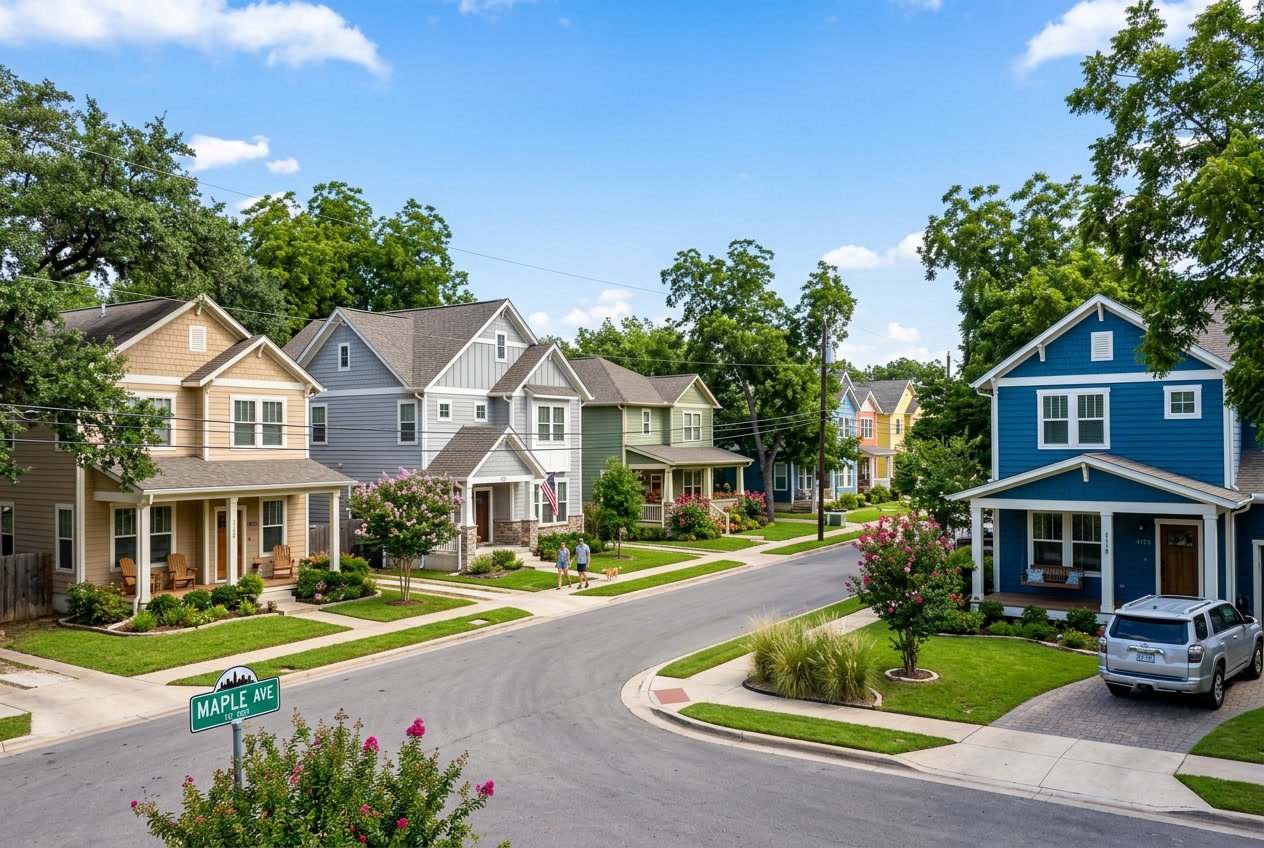
Warm, earthy tones and strong neutrals dominate Austin homes today. You’ll see taupe and gray paired with white trim, plus sharper choices like black or deep blue on modern houses.
Top Trending Siding Colors for 2026
Taupe and warm gray lead Austin trends because they match the natural stone and limestone you see around the city. These shades work well with white or cream trim and boost curb appeal without clashing with brick or wood accents.
Light gray remains popular where homeowners want a modern look that still stays cool in summer. It reflects heat better than dark colors and pairs nicely with black or charcoal accents for contrast.
For bold statements, some homes use black siding or deep blue on one elevation while keeping other sides lighter. That creates a controlled, high-impact look without overwhelming the whole house.
Timeless Neutral Tones for Curb Appeal
Neutral colors like classic white, beige, and brown keep resale value steady and appeal to most buyers. White siding brightens porches and makes landscaping pop, especially when paired with darker shutters or a colored front door.
Brown and tan tones blend with natural materials and hide dust better in dusty seasons. These neutrals also pair smoothly with stone facades common in Austin neighborhoods.
When you pick neutrals, match them to roof and stone tones. That coordination prevents clashing and gives your home a cohesive, long-lasting curb appeal.
Bold and Modern Siding Color Choices
Black siding gives a striking, modern look when used on gables or whole façades. Plan for higher cooling loads and use high-reflectance finishes.
Black pairs well with white trim and natural wood accents to keep lines crisp. Deep blues and forest greens offer color without feeling trendy for only a season.
Use them on front elevations, shutters, or doors to add character while keeping most siding neutral. If you choose bold colors, test samples on each side of your house.
Light and shade change how color reads, so sample panels help you avoid surprises and keep your home balanced.
Best Siding Color Combinations for Austin Homes
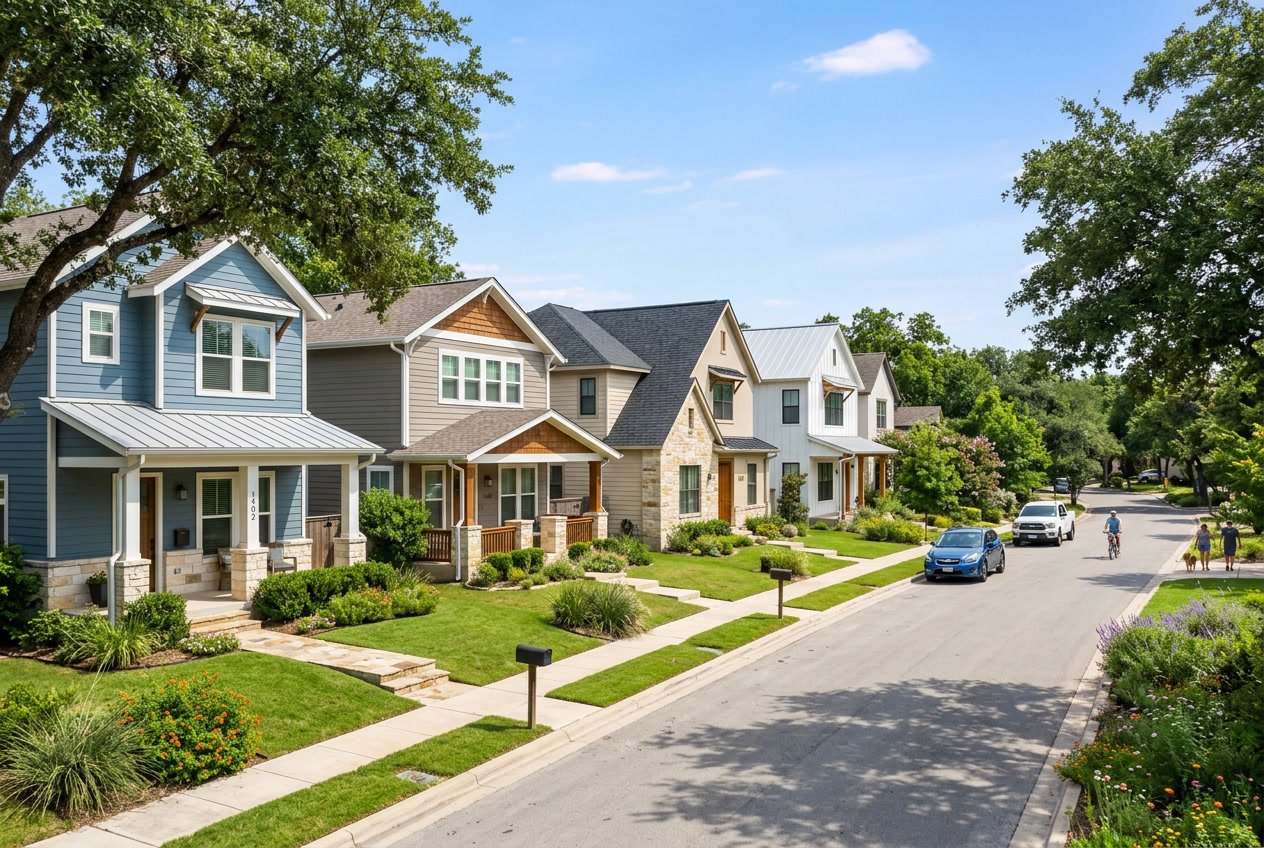
Pick combinations that handle Austin sun, local stone, and nearby greenery. Focus on pairing a main siding color with trim and one accent to keep surfaces clean in bright light.
Match common roof and stone tones for a cohesive look.
Complementary Trim and Accent Colors
Choose trim that frames windows and doors without competing with the main siding. For light beige or warm taupe siding, use crisp white or soft cream trim to brighten edges and reflect heat.
For deeper sidings like charcoal or navy, use off-white or warm gray trim to keep contrast readable from the street. Add one accent color for shutters, front doors, or porch beams.
Rust red, mustard, or deep teal work well on Austin homes because they play off local brick and limestone. If you use vinyl siding, pick colors from the same manufacturer swatch to avoid mismatched gloss or fade characteristics.
Quick checklist:
- Trim: lighter or neutral shade than siding
- Accent: single bold color for small elements
- Material match: confirm vinyl vs. painted wood color behavior
Mixing Modern and Traditional Color Schemes
Blend modern and traditional tones to suit both new builds and older bungalows. Pair a modern deep gray or blue siding with classic white trim to keep formality and modern edge.
For a more traditional look, use warm beige siding with olive or sage accents that echo Texas landscapes. Keep proportions consistent: 70–80% main siding, 15–25% trim, 5–10% accent.
This ratio helps maintain balance whether you use board-and-batten, lap siding, or vinyl. Test swatches on all elevations and view them at different times of day to check how strong contrasts read in Austin light.
Combining Neutral with Statement Colors
Start with a neutral base if you want long-term curb appeal. Greige, warm taupe, or soft sage make good neutral foundations that pair with the city’s limestone and red clay roofs.
Use a statement color only on the door, shutters, or porch ceiling to keep costs and repainting time down. For vinyl siding color combinations, avoid applying a high-heat dark statement across large surfaces; vinyl can feel warmer.
Instead, reserve black, navy, or forest green for accent elements. That gives you visual interest without overpowering the home or shortening material life.
Choosing Siding Colors by Material
Pick colors that work with your roof, sun exposure, and neighborhood style. Match color choices to each material’s strengths.
Some hold pigment longer, some need lighter tones in Austin heat, and some look best with contrasting trim.
Vinyl Siding Color Options
Vinyl holds a wide color range but heats up in direct sun. Choose lighter tones like soft grays, warm whites, or greige for large areas to reduce heat absorption and warping.
If you prefer darker blues or greens, use them on accents—gable ends, shutters, or the front door—rather than the whole house. Factory-applied, fade-resistant finishes perform best in Austin’s strong UV.
If you plan to paint vinyl, pick vinyl-safe paints and stick to mid-to-light shades only. Use bright white or cream trim to keep lines crisp against a mid-tone field.
Fiber Cement and James Hardie Siding Hues
Fiber cement, including James Hardie products, accepts bold color well and resists sun damage better than vinyl. You can use deeper colors—navy, charcoal, or olive—on the main field without as much risk of heat-related distortion.
Match James Hardie color palettes to your roof and stonework. Use a crisp off-white trim for a coastal or Craftsman look.
For a modern effect, choose a dark field with light trim and keep accent colors to one door or a single architectural detail. Factory-finished or high-quality exterior paint keeps the finish lasting longer.
Metal and Wood Siding Color Trends
Metal siding colors range from matte charcoal and deep green to light aluminum and stone hues. Choose low-gloss finishes to hide ripples and cut glare.
Dark metals give a modern look but pair best with lighter trim and shaded or ventilated walls to manage heat buildup. Wood siding favors warm, natural tones—cedar, honey, or taupe—plus painted options like soft cream or sage.
If you use stained wood, pick UV-stable stains and plan for more frequent maintenance in Austin sun. For mixed-material facades, balance a strong metal or fiber cement field with wood accents to add warmth and texture.
Factors to Consider When Selecting Siding Colors
Pick colors that work with your roof, landscaping, and the light your house gets. Think about long-term maintenance, resale value, and whether the shade will fade under strong Texas sun.
Climate and Sun Exposure in Central Texas
Austin gets hot sun, intense UV, and strong afternoon light. Lighter colors reflect heat and help keep exterior surfaces and attic temperatures lower.
This can reduce cooling load slightly and lower the chance of heat-related siding warping. Dark colors absorb more heat and will show fading faster on vinyl, fiber cement, and painted wood.
If you prefer a dark tone, choose a premium siding finish with UV protection and expect more frequent touch-ups. Also consider north- vs. south-facing walls.
South and west exposures take the worst sun, so use more fade-resistant materials or lighter shades there. Test samples on different walls and view them at midday to judge true color.
Home Style and Neighborhood Trends
Match your siding color to your house’s architectural style. Modern homes can take bold charcoals and blues, while Craftsman and Victorian styles suit warm neutrals, greens, or earthy tans.
Look at nearby homes and any HOA rules. Some neighborhoods favor muted palettes; others allow contrast trim and accent doors.
Using a compatible field color keeps your home from clashing with the block and helps resale. Use at least three coordinated tones: field (main siding), trim (windows, fascia), and accent (front door, shutters).
Create swatches and view them in natural light before finalizing.
Consulting With a Siding Contractor
Bring color ideas to a siding contractor early. A contractor can show real samples on your wall, explain material-specific finishes, and advise on paint systems that resist Austin’s sun and humidity.
Ask the contractor about warranty coverage for color fade, recommended maintenance intervals, and whether manufacturer color matching is available. Request references and photos of local jobs to see how colors performed over time.
Get a written estimate that lists material, finish, and expected lifespan for the chosen color. This helps you compare trade-offs between upfront cost and long-term upkeep.
Frequently Asked Questions
You’ll find practical answers about color trends, curb appeal, paint picks, climate effects, durability, and neutral palettes for Austin homes. Each answer names specific colors or types and explains why they work in Central Texas.
What are the trending siding color choices for homes in Austin’s climate?
Warm taupe and light gray lead current trends in Austin. These shades blend with the natural landscape and reflect heat better than dark hues.
Sage green and deep blue also appear on many recent projects. They give homes a modern look while fitting varied neighborhood styles.
Which siding colors offer the best curb appeal in the Austin housing market?
Taupe paired with white trim appeals to many buyers and fits both modern and traditional homes. That combo often increases perceived value during resale.
Light gray with darker trim adds a contemporary edge that buyers in Austin neighborhoods favor. Neutral palettes tend to attract the broadest buyer pool.
What are the top Sherwin Williams paint colors recommended for home exteriors in Austin?
Sherwin Williams Accessible Beige and Repose Gray are solid choices that mimic popular taupe and gray trends. They balance warmth and reflectivity for hot summers.
For greens and blues, consider Sea Salt and Naval for accent or full siding use. Test samples on your facade; sunlight and surrounding materials change how these colors look.
How do regional factors in Austin, Texas affect siding color selection?
High heat and strong sun mean lighter, reflective colors help keep interiors cooler. UV exposure also fades intense pigments faster, so choose fade-resistant finishes.
Humidity and storm risk favor low-maintenance materials and finishes. Opt for colors that hide dust and minor weathering, like mid-tone grays or earthy tans.
What are the most durable siding color options for homes in Austin?
Mid-tone neutrals—taupe, greige, and light gray—show wear less than very dark or very bright colors. They resist visible fading and look cleaner between washes.
Vinyl and fiber-cement siding in those tones offer long-term color retention when you pick quality, UV-resistant formulations. Ask manufacturers about fade warranties.
Can you suggest some neutral siding colors that are popular in Austin?
Taupe, greige (gray-beige), and light warm gray are widely used across Austin neighborhoods.
These colors pair well with stone, brick, and white trim.
Softer sage and muted blue-gray serve as near-neutral options if you want a touch of color without strong contrast.
Test samples on different walls and view them at midday and sunset.