Clapboard siding in Austin, TX is a traditional horizontal siding style recognized for its long, tapered boards that overlap to create strong shadow lines and effective water shedding. This classic siding profile has been used on American homes for centuries and remains a popular choice for homeowners seeking timeless architectural character. In Austin’s climate—where extreme heat, UV exposure, hailstorms, humidity cycles, and seasonal winds can affect exterior materials—clapboard siding must be installed with careful spacing, flashing, and moisture management.
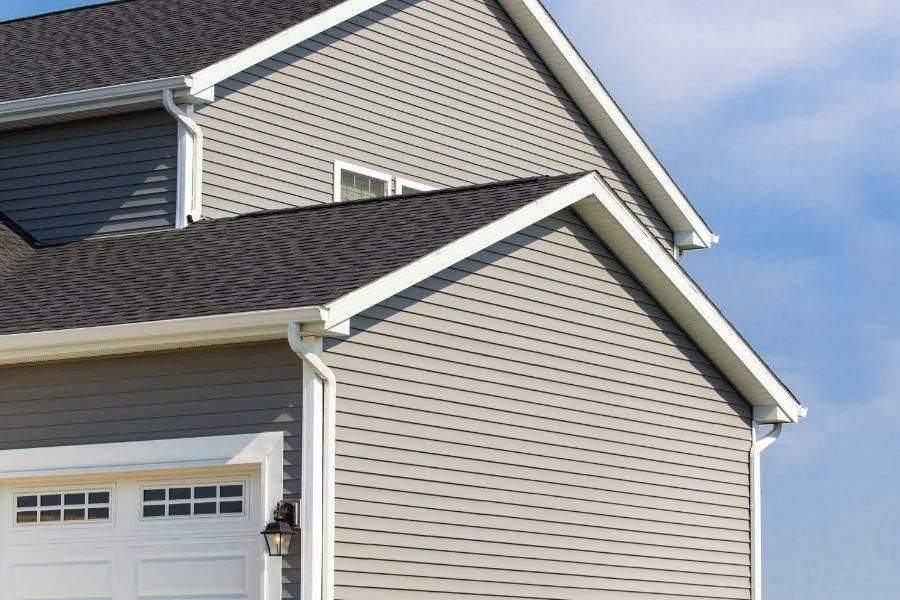
Clapboard siding is a horizontal siding style made of long boards that overlap one another from the bottom of the wall upward. Each board is typically thicker at the bottom edge and tapers toward the top, allowing water to flow down the surface while creating distinct shadow lines.
Horizontal board orientation
Tapered board design
Consistent overlapping installation
Classic architectural appearance
Clapboard siding is sometimes confused with lap siding because both are horizontal profiles. However, clapboard specifically refers to tapered boards, while lap siding can include uniform boards with simple overlap.
Clapboard refers to the profile and installation method, not the material itself. It can be manufactured from several siding materials including:
Natural cedar or wood
Fiber cement boards
Engineered wood siding
Vinyl siding
In Austin, fiber cement clapboard siding is especially common due to its durability and resistance to heat and UV exposure.
Clapboard siding appears on many types of homes throughout the Austin area:
Historic homes in central Austin neighborhoods
Craftsman houses in Hyde Park
Traditional suburban homes in Cedar Park
Transitional homes in Lakeway
Because of its historic roots and balanced proportions, clapboard siding remains one of the most recognizable exterior siding styles. When selecting this profile, homeowners often evaluate overall siding solution options, compare different siding materials, consider long-term siding cost, and work with a trusted siding contractor to ensure proper installation and performance in Austin’s heat and seasonal weather conditions.
The Mechanism
Austin summer temperatures frequently exceed 100°F, causing siding boards to expand during the day and contract at night.
Performance Outcome
Clapboard boards require proper fastening and expansion spacing to prevent warping or cracking.
Austin-Specific Factors
Homes in Bee Cave and Lakeway often experience prolonged afternoon sun exposure on west-facing walls.
The Mechanism
Clapboard siding’s overlapping design naturally directs water downward and away from the structure.
Symptoms of Improper Installation
Water intrusion behind boards
Paint blistering
Swelling along lower edges
Local Conditions
Austin spring storms and sudden heavy rainfall require effective flashing and drainage detailing.
The Mechanism
Storm winds and hail can place stress on horizontal siding boards and fasteners.
Possible Symptoms
Cracked boards
Fastener loosening
Trim separation
Homes in open Hill Country areas such as Dripping Springs may experience stronger wind exposure.
The Mechanism
Horizontal seams must be carefully staggered and sealed to maintain structural integrity.
Symptoms
Uneven shadow lines
Sealant failure
Visible board separation
Proper installation techniques help prevent premature siding repair needs.
Clapboard siding may be an excellent option if:
You prefer a classic or traditional exterior style
Your home features craftsman or colonial architecture
HOA guidelines favor timeless architectural designs
You want strong horizontal shadow lines
You are planning a full siding replacement
Your home previously used horizontal siding
You want a siding style compatible with several siding materials
Because of its versatility, clapboard siding works well for both historic renovations and modern homes with traditional influences.
Professional clapboard siding installation follows a structured process to ensure durability and weather resistance.
Evaluate sheathing, framing, and moisture barriers.
Old cladding is removed carefully to protect structural elements.
House wrap and flashing systems protect against water infiltration.
A level starter board ensures consistent alignment of the siding rows.
Boards are installed with overlapping spacing to allow drainage and thermal movement.
Proper trim pieces protect joints and edges from moisture.
Most clapboard siding installations require 3–7 days, depending on the size and complexity of the home.
Permits and HOA design requirements are reviewed before beginning siding installation.
Our reputation is built on referrals and repeat customers who trust our quality and professionalism.
Trustindex verifies that the original source of the review is Google. Austin's roofing contractors are known for their professionalism, timely service, and quality workmanship. Many offer free inspections and use durable materials suited for Texas weather.Trustindex verifies that the original source of the review is Google. Barton Creek Siding Experts did an amazing job—professional, detailed, and easy to work with!Google rating score: 5.0 of 5, based on 2 reviews
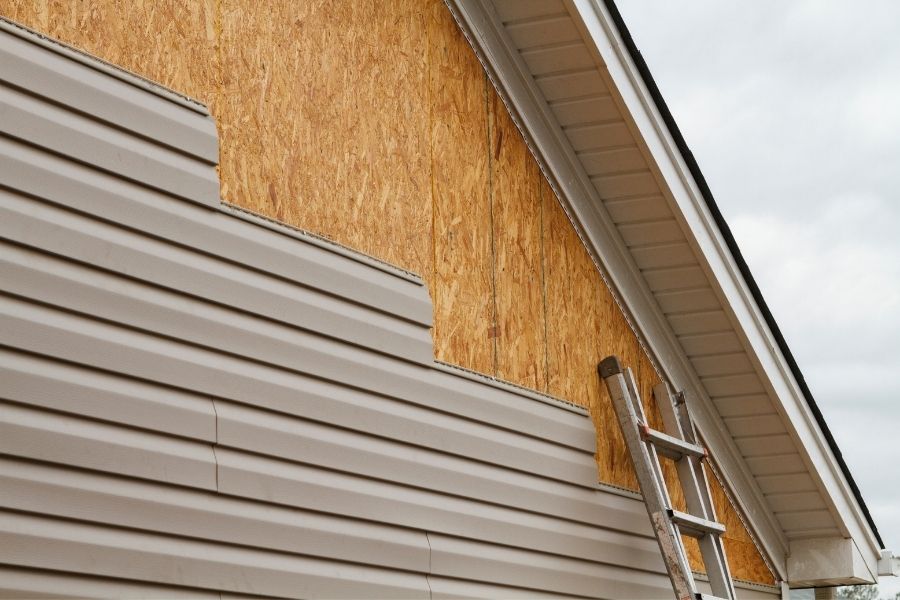
Thin overlapping boards
Historic architectural appearance
Ideal for craftsman and colonial homes
Wider boards with deeper shadow lines
Suitable for transitional architecture
Highly durable
Resistant to heat, hail, and insects
Natural wood appearance
Requires staining and periodic maintenance
Clapboard combined with stone veneer or vertical siding accents
Each variation influences the visual style and maintenance needs of the home.
Average installed cost for clapboard siding varies depending on the material used:
Vinyl clapboard siding: $6–$11 per sq ft
Fiber cement clapboard: $9–$18 per sq ft
Engineered wood clapboard: $9–$17 per sq ft
Natural cedar clapboard: $12–$22 per sq ft
Key cost factors include:
Material selection
Home height and accessibility
Trim detailing
Removal of existing siding
Architectural complexity
Because clapboard siding uses individual boards rather than panels, labor costs may be higher than some modern siding systems.
Clapboard siding is widely used across Austin communities, including:
Hyde Park: Historic homes and craftsman architecture
Cedar Park: Traditional suburban houses
Lakeway: Transitional residential designs
Rollingwood: Custom homes with classic influences
Dripping Springs: Hill Country traditional architecture
These neighborhoods often favor clapboard siding because it blends well with traditional building styles.
Routine maintenance helps extend the lifespan of clapboard siding.
Recommended maintenance practices include:
Inspect boards annually for cracking or separation
Repaint or refinish wood siding when necessary
Clean surfaces to remove dust and pollen buildup
Inspect trim and caulk joints after storms
Maintain adequate ground clearance
Maintenance frequency varies depending on the siding material selected.
Austin homeowners rely on experienced siding experts who understand how traditional siding styles perform under Central Texas climate conditions. Barton Creek Siding Experts provides comprehensive siding services including consultation, siding installation, siding repair, and full siding replacement. With experience across residential, commercial, and historic buildings, the team helps homeowners select siding materials and styles that combine architectural authenticity with long-term durability.
If you are considering clapboard siding in Austin, TX, professional guidance can help determine whether this traditional siding style fits your home’s architecture and climate exposure. Barton Creek Siding Experts offers consultations throughout Austin and nearby communities, helping homeowners select siding styles and materials designed for long-term performance in Central Texas conditions.
They are similar, but clapboard boards are typically tapered while lap siding boards may be uniform.
Yes, especially when installed using fiber cement or engineered wood materials.
Fiber cement clapboard can last more than 30 years with proper maintenance.
Costs vary depending on material, but natural cedar tends to be the most expensive option.
Yes, it is often paired with shake siding or vertical accents.
Your siding is your home’s first defense against Texas weather — make sure it’s built to last. Call Barton Creek Siding Experts today or request your free consultation online to start your project.
Provide your name, phone number, and any specific service requirements.