Wood siding in Austin, TX remains one of the most visually distinctive exterior cladding options, valued for its natural character, architectural flexibility, and ability to complement both modern and historic homes. In Central Texas, however, exterior materials are exposed to intense heat, high UV levels, seasonal storms, humidity swings, and periodic hail—factors that place unique demands on natural wood. In neighborhoods like West Lake Hills and Rollingwood, where custom homes and established properties often prioritize design authenticity, wood siding continues to be a preferred choice when properly selected, installed, and maintained. Barton Creek Siding Experts brings local experience with cedar, specialty wood profiles, and traditional finishes, helping property owners evaluate whether wood siding is appropriate for their specific exposure, building type, and long-term goals in the Austin climate.
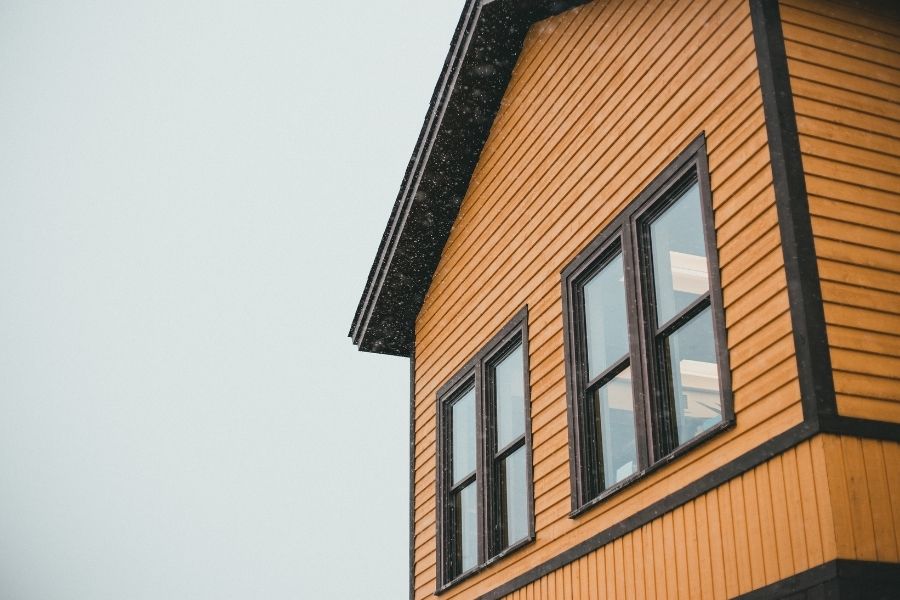
Wood siding is a natural exterior cladding made from solid lumber milled into boards, shakes, or panels. Common species used in Central Texas include western red cedar, redwood, pine, and specialty-treated woods. Each species has distinct density, grain structure, and resistance characteristics that affect performance in Austin’s climate.
Historically, wood siding was one of the earliest exterior materials used in Texas construction. Many older homes in central Austin and nearby Hill Country communities were originally clad in wood, particularly lap siding and board-and-batten profiles. Today, wood siding is most often used on custom homes, architectural remodels, historic restorations, and high-end residential or mixed-use buildings.
Compared to alternatives like vinyl or fiber cement, wood siding offers unmatched visual depth and natural variation. Cedar siding, in particular, is prized for its natural oils that resist decay and insects better than many other wood species. Specialty finishes such as shou sugi ban—charred wood siding—have also gained popularity for modern Austin homes due to their durability and distinctive appearance.
However, wood siding also has limitations. It is more maintenance-intensive than many manufactured siding materials and requires careful installation to manage moisture, expansion, and pest exposure. Understanding these tradeoffs is essential when choosing siding materials for Austin properties.
The Mechanism:
Austin regularly experiences summer temperatures exceeding 100°F, along with a high UV index for much of the year. Prolonged sun exposure dries out wood fibers, causing shrinkage and surface checking.
Symptoms:
Cracking, splitting, fading finishes, and brittleness—especially on west- and south-facing walls.
Austin-Specific Factors:
Homes in areas like Bee Cave or Lakeway with unobstructed sun exposure often see accelerated wear without proper finishes or shading.
The Mechanism:
Wood naturally absorbs and releases moisture. Austin’s humidity cycles and heavy spring storms cause repeated expansion and contraction.
Symptoms:
Warping, cupping, raised grain, and mildew growth in shaded areas.
Austin-Specific Factors:
Properties near creeks, greenbelts, or with dense landscaping experience higher moisture exposure.
The Mechanism:
Central Texas is an active termite region, with year-round subterranean termite activity.
Symptoms:
Hidden structural damage, mud tubes, soft spots, and visible insect activity.
Austin-Specific Factors:
Improper ground clearance or lack of termite barriers significantly increases risk.
The Mechanism:
While wood siding can absorb minor impacts, large hailstones can dent or crack boards.
Symptoms:
Split boards, surface bruising, and localized damage after storms.
Austin-Specific Factors:
Spring hail events affecting areas like Round Rock and Cedar Park often trigger inspections.
Desire for a natural, high-end exterior appearance
Historic or architecturally detailed home
Ability to commit to periodic maintenance
Existing wood elements you want to match
Post-storm evaluation after hail or wind events
Visible aging or failure of existing cladding
Need for selective siding replacement rather than full re-clad
Interest in specialty finishes like charred wood
Shaded elevations suitable for wood durability
Installing wood siding in Austin requires climate-aware methods:
Site & Exposure Evaluation – Assess sun, wind, moisture, and pest risks
Material Selection – Choose species and profiles suited to local conditions
Moisture Management – House wrap, flashing, and drainage planes
Acclimation – Allow wood to adjust to ambient conditions before installation
Precision Installation – Proper spacing, fastening, and clearances
Finishing – Staining, sealing, or charring based on exposure
Final Inspection – Code compliance and long-term performance review
HOA guidelines and local building requirements are addressed as part of the process, ensuring compliance for Austin-area properties.
Trustindex verifies that the original source of the review is Google. Austin's roofing contractors are known for their professionalism, timely service, and quality workmanship. Many offer free inspections and use durable materials suited for Texas weather.Trustindex verifies that the original source of the review is Google. Barton Creek Siding Experts did an amazing job—professional, detailed, and easy to work with!Google rating score: 5.0 of 5, based on 2 reviews
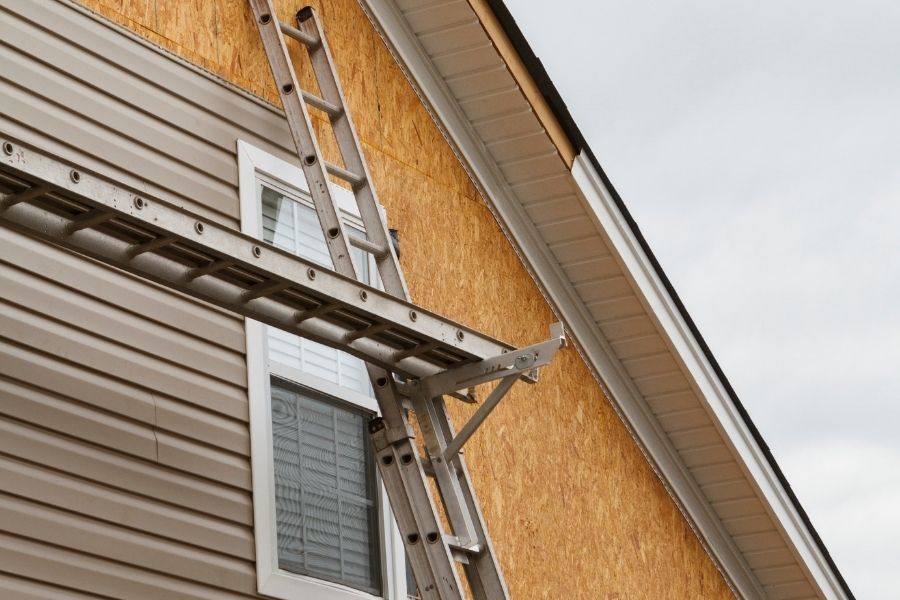
Cedar Lap Siding: Clean, traditional look with good moisture resistance
Cedar Shake Siding: Textured, dimensional appearance for accents or full facades
Board-and-Batten: Vertical profile popular in Hill Country designs
Shou Sugi Ban: Charred wood offering enhanced durability and modern appeal
Custom Milled Profiles: Architectural detailing for custom homes
Each style varies in cost, maintenance needs, and suitability depending on exposure and design goals.
Wood siding costs in Austin vary based on species, profile, finish, and installation complexity.
Typical Cost Ranges:
$8–$15 per sq ft (material only)
$14–$28 per sq ft (installed)
Cost Drivers:
Wood species and grade
Finish type (paint, stain, charred)
Home height and accessibility
Moisture and termite mitigation requirements
Phased projects are often used to manage budgets while preserving architectural integrity.
Wood siding is commonly installed in:
West Lake Hills: Custom homes with natural materials
Rollingwood: Mid-century and modern renovations
Lakeway: Large homes requiring UV-resistant finishes
Dripping Springs: Hill Country styles with board-and-batten
Central Austin: Historic properties and restorations
Each area presents unique exposure and design considerations.
Inspect annually for moisture and insect activity
Re-stain or reseal every 3–5 years depending on exposure
Maintain proper ground clearance
Trim vegetation away from siding
Clean mildew and debris regularly
Address minor damage promptly to avoid spread
Professional inspections after major storms help prevent hidden deterioration.
Austin property owners value local experience when working with natural materials. Barton Creek Siding Experts brings hands-on knowledge of cedar siding, specialty wood finishes, and historic exterior preservation. From selective siding repair to full siding installation, the team focuses on material-appropriate methods, climate-aware detailing, and long-term durability backed by workmanship warranties.
If you’re considering wood siding or evaluating an existing exterior, a professional assessment can help you understand performance expectations, maintenance needs, and long-term value. Barton Creek Siding Experts offers free evaluations throughout the Austin area, helping property owners make informed decisions about wood exteriors with confidence—no pressure, just local expertise you can trust.
Yes, when properly selected, installed, and maintained with UV-resistant finishes.
Typically 20–40 years depending on species, exposure, and maintenance.
Cedar offers superior decay resistance and dimensional stability.
Engineered wood offers lower maintenance, while natural wood provides unmatched authenticity.
It can without proper barriers and clearances, which are essential in Austin.
Yes, selective siding repair is common with wood systems.
Your siding is your home’s first defense against Texas weather — make sure it’s built to last. Call Barton Creek Siding Experts today or request your free consultation online to start your project.
Provide your name, phone number, and any specific service requirements.