Understanding Panel Siding
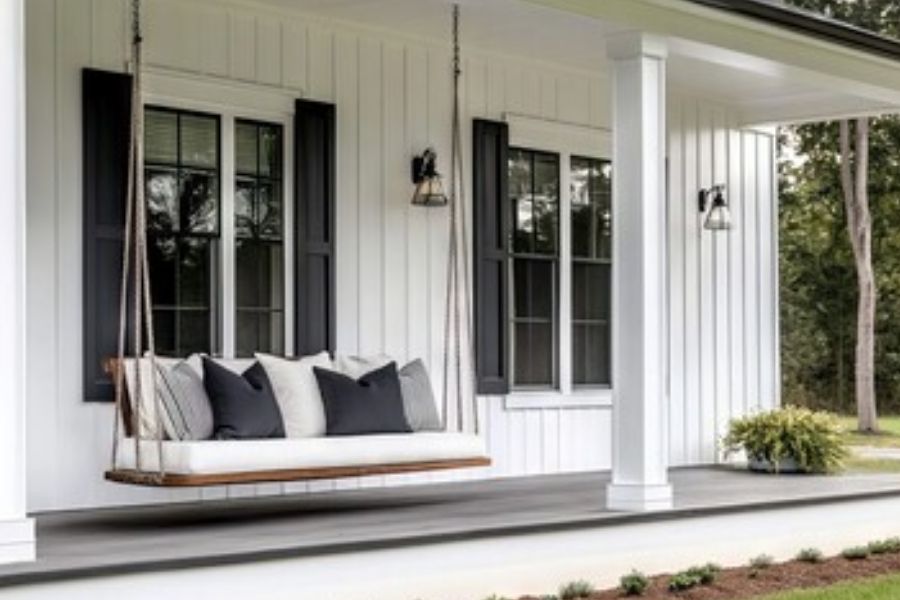
Panel siding is a large-format siding style consisting of wide sheets or panels attached directly to a building’s exterior wall system. The panels may be installed vertically, horizontally, or in modular grid patterns depending on the architectural design.
Key Characteristics
Large continuous panels
Minimal seams or joints
Smooth or textured surface options
Modern architectural appearance
Panel siding differs significantly from traditional horizontal siding because it reduces the number of overlapping boards while creating broader visual surfaces.
Style vs Material
Panel siding refers to the installation format and visual design, not the specific material used to manufacture the panels. It can be produced from several siding materials including:
Fiber cement panels
Engineered wood panels
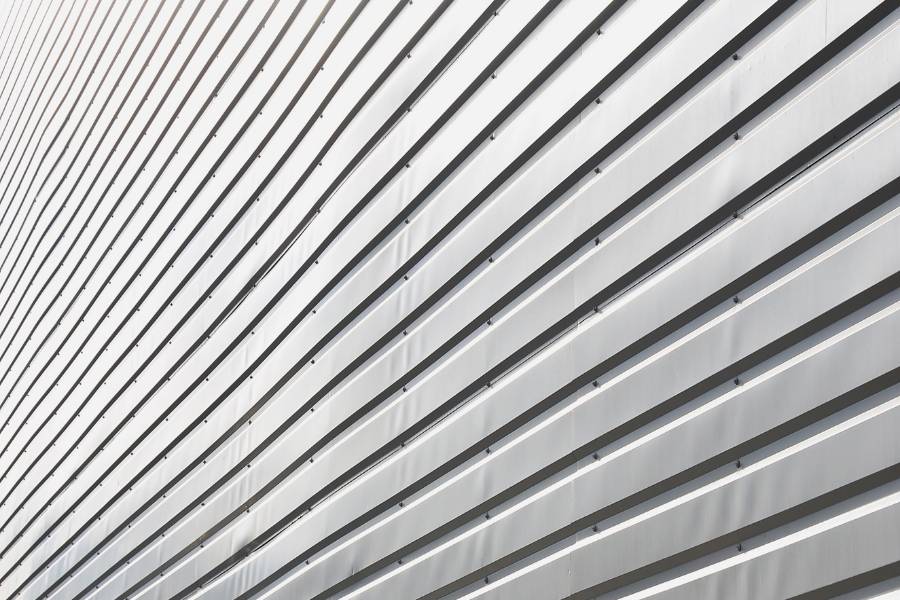
Metal siding panels
Composite siding systems
In Austin, fiber cement and engineered wood panel siding are commonly used because they offer durability against UV exposure and structural stability during temperature fluctuations.
Architectural Popularity in Austin
Panel siding has become increasingly common on:
Modern homes in West Lake Hills
Contemporary luxury builds in Rollingwood
Custom homes in Bee Cave
Commercial buildings in central Austin
Because of its sleek appearance, panel siding is often selected as a modern siding solution, allowing homeowners to compare various siding materials, evaluate long-term siding cost, and work with a trusted siding contractor to ensure proper installation suited to Austin’s climate conditions.
Why Austin Homes Use Panel Siding
Extreme Heat and Thermal Expansion
The Mechanism
Austin summers frequently exceed 100°F, causing siding materials to expand during daytime heat and contract during cooler nighttime temperatures.
Performance Outcome
Large siding panels must be installed with expansion allowances to prevent visible warping or cracking.
Austin-Specific Factors
Homes in Bee Cave and Lakeway often experience prolonged afternoon sun exposure that increases thermal movement across large panel surfaces.
Moisture Drainage and Water Management
The Mechanism
Panel siding systems rely heavily on proper flashing and drainage systems because they do not have overlapping boards like traditional horizontal siding.
Symptoms of Improper Installation
Water infiltration at panel joints
Mold or mildew growth behind panels
Surface staining or discoloration
Austin’s sudden heavy rainfall during spring storms makes moisture management a critical component of panel siding installation.
Wind and Hail Exposure
The Mechanism
Large siding panels can experience greater wind load during severe storms.
Possible Symptoms
Panel flexing
Fastener stress
Edge lifting during strong winds
Homes located in more exposed areas such as Dripping Springs may experience stronger storm conditions than homes in dense urban areas.
Joint and Seam Stress
The Mechanism
Panel siding relies on fewer seams, but those seams must be carefully aligned and sealed to maintain structural integrity.
Symptoms
Visible panel misalignment
Sealant failure
Trim separation
Professional installation techniques help prevent long-term siding repair issues.
Signs Panel Siding May Be Right for Your Property
Panel siding may be an excellent choice if:
You prefer modern or minimalist architecture
Your home has large wall surfaces
You want fewer visible seams than traditional siding
HOA guidelines allow contemporary design styles
Your design includes mixed materials such as metal or stone veneer
You are planning a full siding replacement
You want a sleek exterior appearance
Because of its modern aesthetic, panel siding is often used on custom homes or modern renovations.
How We Install Panel Siding in Austin, TX
Professional panel siding installation requires precise planning and detailing.
1. Structural Inspection
Evaluate wall sheathing and structural framing.
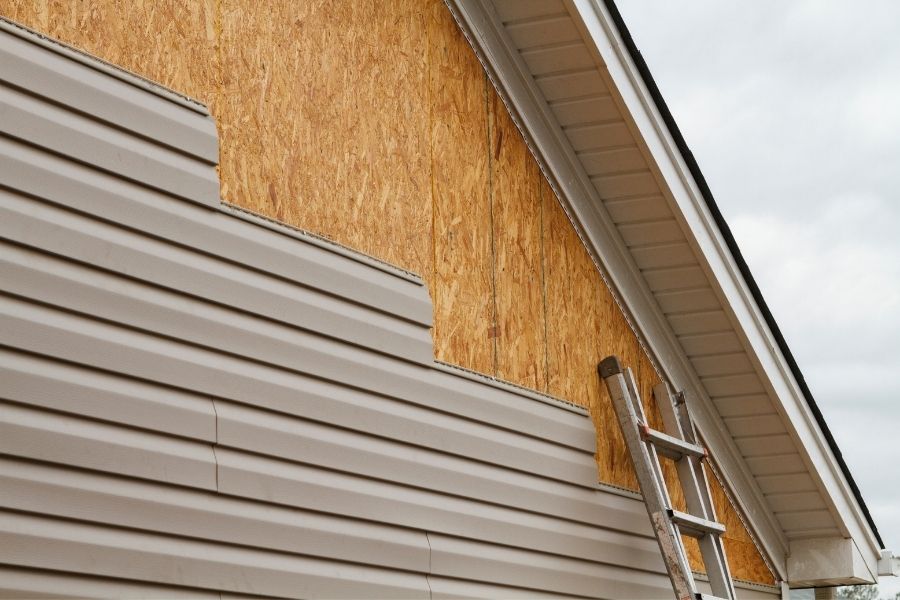
2. Removal of Existing Siding (If Needed)
Existing cladding is removed carefully during renovation projects.
3. Moisture Barrier Installation
Weather-resistant barriers and flashing protect the wall system.
4. Support Framework Installation
Furring strips or support structures may be installed to ensure proper ventilation and alignment.
5. Panel Installation
Large siding panels are secured with appropriate spacing for expansion.
6. Trim and Joint Sealing
Specialized trim pieces protect panel edges and seams.
7. Final Inspection
Most panel siding installations require 3–7 days, depending on home size and architectural complexity.
Permitting requirements and HOA guidelines are reviewed before beginning siding installation.