Vinyl siding installation is the process of installing a durable exterior cladding system designed to protect homes and buildings from weather exposure, moisture intrusion, and long-term material deterioration. In Austin, TX, vinyl siding must perform under prolonged heat, intense UV exposure, seasonal storms, fluctuating humidity, and periodic hail events that place constant stress on exterior materials.
Homes in neighborhoods such as West Lake Hills and Rollingwood often experience higher sun exposure due to elevation, while areas like Bee Cave and Lakeway face additional wind-driven rain and thermal movement. Barton Creek Siding Experts provides vinyl siding installation across Austin and surrounding communities, applying local construction knowledge to ensure vinyl systems are installed correctly for Central Texas conditions.
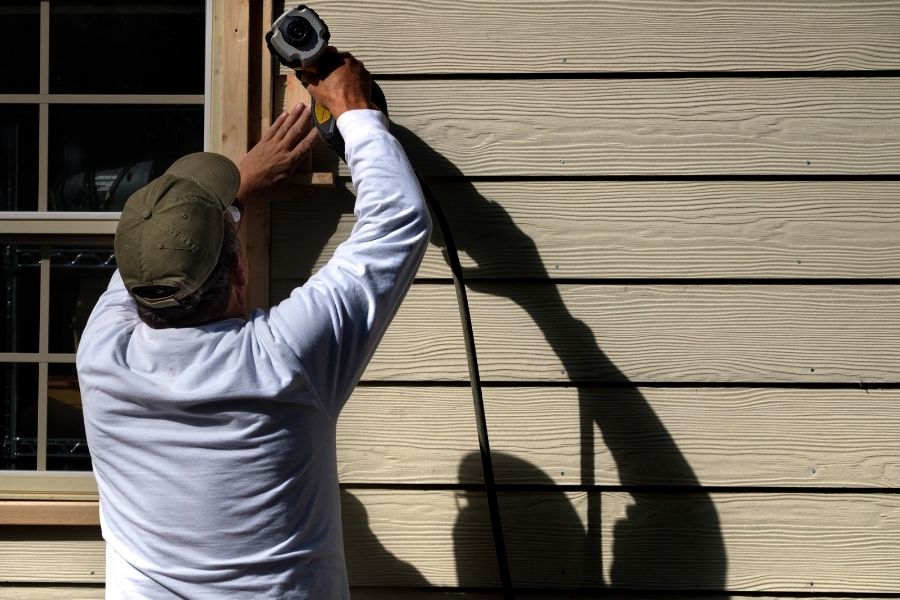
Vinyl siding installation involves attaching interlocking PVC panels to a building’s exterior wall system to create a protective and visually consistent outer shell. A complete system includes the siding panels, moisture-resistant barriers, flashing, trim components, and fastening methods that allow controlled movement as temperatures change.
Vinyl siding became more common in Austin during the late 1980s and 1990s as suburban growth expanded into areas like Oak Hill, Sunset Valley, and Pflugerville. Builders favored vinyl for its affordability, low maintenance requirements, and resistance to moisture compared to traditional wood siding.
Today, vinyl siding remains prevalent in residential construction across Cedar Park, Leander, and Round Rock, particularly in single-family homes and townhome developments. While fiber cement dominates higher-end custom builds, vinyl continues to be widely used for its cost efficiency and versatility when installed properly.
In Austin, vinyl siding is most often found on:
Suburban single-family homes
Multi-unit residential buildings
Light commercial structures
Renovated properties replacing older wood or aluminum siding
Advantages of vinyl siding include:
Resistance to moisture and rot
Low ongoing maintenance
Wide range of colors and profiles
Cost-effective exterior solution
Limitations to consider:
Requires precise installation to prevent warping
Can fade under prolonged UV exposure
Not suitable for all historic applications
Proper installation is critical, especially in Austin’s heat-intensive environment.
Austin’s climate creates predictable stress patterns that directly impact exterior siding systems.
The Mechanism
Austin regularly experiences summer temperatures exceeding 100°F combined with a high UV index. Vinyl siding expands and contracts as temperatures fluctuate, which can lead to distortion if not installed with adequate expansion gaps.
Timeline
Gradual damage over multiple seasons.
Symptoms
Warped or buckled panels
Loose siding sections
Faded or uneven color
Neighborhood Differences
South- and west-facing elevations in Lakeway and Hudson Bend experience the most thermal stress.
The Mechanism
Spring rains and sustained humidity allow moisture to penetrate poorly sealed siding systems. While vinyl itself resists moisture, improper installation can trap water behind panels.
Timeline
Gradual, often hidden behind siding.
Symptoms
Mold or mildew growth
Interior wall staining
Soft sheathing beneath siding
Location-Specific Factors
Homes near greenbelts and creeks in Lost Creek and Dripping Springs face increased moisture exposure.
The Mechanism
Severe thunderstorms and hail events—such as those in March 2021 and April 2023—can crack or puncture vinyl panels on impact.
Timeline
Sudden damage.
Symptoms
Cracked or broken panels
Missing sections after storms
Exposed moisture barriers
Older siding materials often lack the flexibility needed to handle Austin’s modern heat cycles, leading many homeowners to upgrade to vinyl systems for improved durability and ease of maintenance.
Property owners should watch for these indicators:
Cracked or broken siding panels
Warping during hot weather
Fading or discoloration
Loose or rattling sections after storms
Moisture stains on interior walls
Mold or mildew near seams
Increased cooling costs
Repeated siding repairs
Visible gaps at joints
Impact damage from hail or debris
After major storms or extended heatwaves, an inspection can determine whether new installation is necessary.
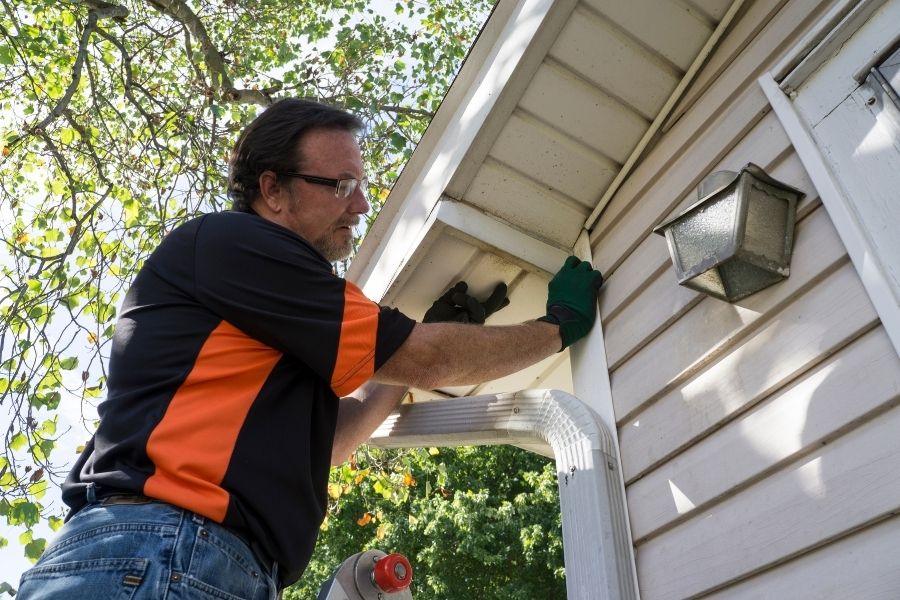
Initial Evaluation (Day 1)
Assessment of existing siding, wall condition, and exposure risks.
Material Selection (Day 1–2)
Vinyl profile and color selection based on sun exposure and building style.
Surface Preparation (Day 2)
Removal of old siding, installation of moisture barriers and flashing.
Precision Installation (Days 3–5)
Panels installed with proper spacing to allow thermal expansion.
Trim and Ventilation Integration (Day 5–6)
Installation of soffits, fascia, and ventilation components.
Final Inspection (Day 6–7)
Verification of performance, alignment, and code compliance.
Our team provides complete siding services for residential, commercial, historic, and industrial properties across Austin and surrounding communities.
Most common for residential homes.
Improves energy efficiency and rigidity.
Used for architectural accents or specific designs.
Mimics wood appearance with lower maintenance.
Each method is selected based on building type, exposure conditions, and aesthetic goals.
Vinyl siding installation in Austin typically ranges from $6 to $12 per square foot.
Typical project costs:
Small homes: $7,000–$12,000
Full home exteriors: $10,000–$20,000+
Multi-unit properties: Varies by scale
Cost drivers include:
Vinyl grade and insulation level
Building height and access
Removal of existing siding
Storm or moisture damage repairs
Vinyl often offers a lower upfront cost compared to full siding replacement using premium materials.
We install vinyl siding throughout:
West Lake Hills: High sun exposure, custom homes
Bee Cave: Newer developments with mixed materials
Lakeway: Wind-exposed hillside properties
Oak Hill: Mixed-era residential homes
Cedar Park: Suburban developments with vinyl siding
Each neighborhood presents unique installation considerations.
Rinse siding annually to remove pollen and dust
Inspect after major storms
Keep vegetation trimmed away from walls
Check seams and fasteners yearly
Monitor sun-facing elevations
Schedule professional inspections every 2–3 years
Minor damage can often be addressed through targeted siding repair before more extensive issues develop.
Austin property owners choose Barton Creek Siding Experts because they work with experienced siding experts who understand how Central Texas heat, humidity, and storm cycles affect vinyl siding systems. Our team specializes in material-specific installation techniques that allow vinyl to perform reliably over time.
We stand behind our work with clear workmanship warranties and a focus on long-term exterior performance.
Most projects are completed within 1–7 days.
Yes, when installed correctly with proper expansion gaps.
Typically 20–40 years depending on exposure and maintenance.
Some fading can occur over time under intense UV exposure.
Insulated vinyl options can improve thermal performance.
Some projects require permits depending on scope and location.
Trustindex verifies that the original source of the review is Google. Austin's roofing contractors are known for their professionalism, timely service, and quality workmanship. Many offer free inspections and use durable materials suited for Texas weather.Trustindex verifies that the original source of the review is Google. Barton Creek Siding Experts did an amazing job—professional, detailed, and easy to work with!Google rating score: 5.0 of 5, based on 2 reviews
Your siding is your home’s first defense against Texas weather — make sure it’s built to last. Call Barton Creek Siding Experts today or request your free consultation online to start your project.
Provide your name, phone number, and any specific service requirements.