Fiber Cement Siding Cost in Austin, TX
Transparent Fiber Cement Siding Cost Pricing for Austin, TX Homeowners — Free Estimates
Get accurate fiber cement siding cost estimates in Austin, TX. Barton Creek Siding Experts offers transparent pricing, hail damage expertise & free on-site quotes. Call (512) 634-8683.
- Service area
- Austin, TX & nearby
- Phone
- (512) 634-8683
- Hours
- Mon-Sun: 7:00 am – 7:00 pm
- Estimates
- Free, no obligation
Fiber cement siding is one of the most durable and weather-resistant exterior cladding options available to Austin homeowners — and understanding what it truly costs is the first step toward making a smart investment. At Barton Creek Siding Experts, we specialize in providing transparent, accurate pricing for fiber cement siding projects across the greater Austin area, from Zilker to Dripping Springs and everywhere in between.
Austin’s unique climate — characterized by brutal summer heat regularly exceeding 100°F, dramatic spring hail storms, and rapid temperature swings that stress exterior materials — makes material selection and professional installation critical. Fiber cement stands up to all of it. Our locally experienced crews understand the soil movement patterns, UV intensity, and humidity cycles specific to Central Texas, and we price every project to reflect the real conditions your home faces. Call us today at (512) 634-8683 for a free, on-site estimate.
Understanding Fiber Cement Siding Cost in Austin
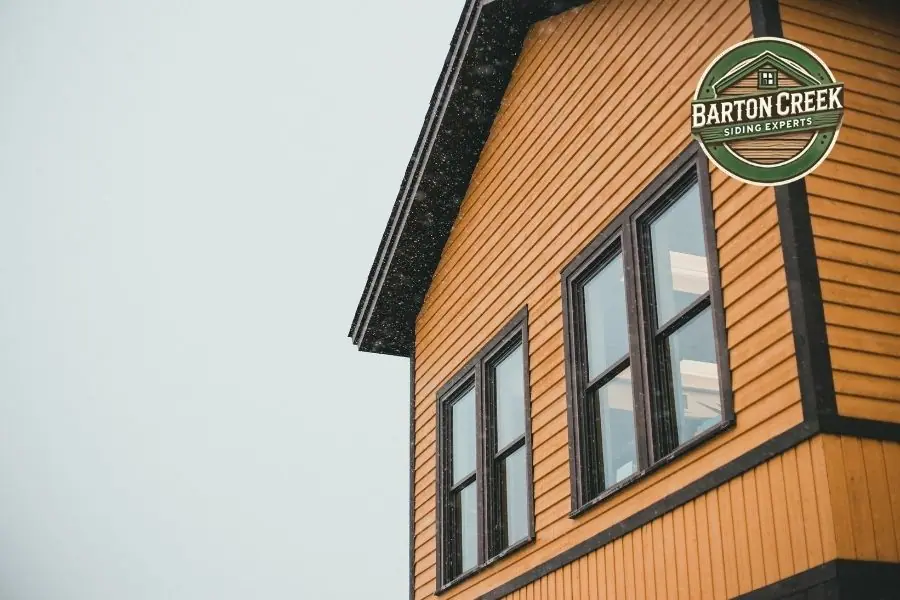
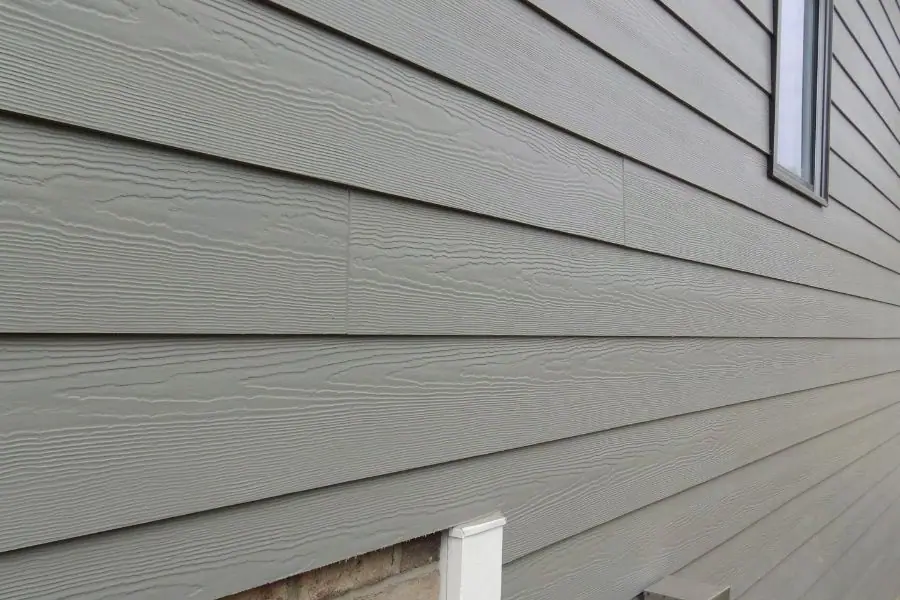
Fiber cement siding is a composite material manufactured from Portland cement, sand, and cellulose wood fibers. The result is a product that mimics the natural appearance of wood lap siding, shingles, or board and batten, while delivering far superior resistance to rot, pests, fire, and moisture. James Hardie Building Products, headquartered just outside the region and one of the most widely installed fiber cement brands in Texas, even offers product lines specifically formulated for the South-Central climate zone — a detail that matters enormously in a city like Austin.
Fiber cement siding became widely adopted in the Austin residential market throughout the late 1990s and early 2000s as the city’s rapid growth brought thousands of new single-family homes to subdivisions in Round Rock, Pflugerville, and the emerging southwest corridors around Circle C Ranch and Shady Hollow. Builders and homeowners quickly discovered that traditional wood siding struggled with Austin’s notorious temperature swings — days in February where temperatures can drop 40°F in 24 hours — causing cracking, warping, and paint failure. Fiber cement offered a stable, low-maintenance alternative.
Read moreShow less
Today, fiber cement is one of the most prevalent siding materials on homes built after 1995 across the Austin metro. You’ll find it on craftsman bungalows in South Lamar, contemporary two-stories in West Lake Hills, and ranch-style homes throughout Oak Hill and Bear Creek. Its versatility allows it to complement both the Hill Country limestone aesthetic common in Barton Creek and the modern architecture increasingly popular in Zilker and Downtown Austin’s adjacent residential neighborhoods.
Cost varies based on home size, profile style, labor complexity, existing siding removal, and local material supply chain pricing. Understanding each of these variables — specific to the Austin market — is essential before any project begins. Learn more about our fiber cement siding installation services to see the full scope of what’s included.
Why Fiber Cement Siding Cost Planning Is Critical in Austin, TX
Extreme UV Exposure and Heat Loading
Austin averages approximately 228 sunny days per year, with summer afternoons regularly topping 105°F on south- and west-facing exterior walls. The Texas Department of Insurance notes that UV radiation and thermal cycling are among the top causes of premature siding failure in Central Texas. Vinyl siding can soften and warp under these conditions, but fiber cement does not. Budgeting for fiber cement now — even at a higher upfront cost — prevents far more expensive remediation of moisture-infiltrated wall assemblies later.
Austin’s Hail Corridor and Storm Impact
The Austin metro sits within what meteorologists identify as a high-frequency hail corridor. Notable storms have caused widespread siding damage across Austin neighborhoods: the April 2016 hail event produced hailstones up to 4.25 inches in diameter across Travis County, heavily damaging homes in Barton Creek, West Lake Hills, and Rollingwood. A similarly destructive storm struck southwest Austin and Bee Cave in March 2022 with 2-inch hail measured by the National Weather Service at the ABIA weather station. Fiber cement’s Class 4 impact rating makes it the preferred replacement material in these storm-affected zones, and insurance adjusters in Austin increasingly recommend it during claim restorations.
Expansive Clay Soils and Foundation Movement
Much of the Austin metro — particularly neighborhoods like Circle C Ranch, Shady Hollow, and Village at Western Oaks — sits atop the Austin Chalk and Taylor Clay formations. The Taylor Black Clay soil, rated PI (Plasticity Index) 40–60 by the Texas Department of Transportation, expands dramatically when wet and contracts when dry. This seasonal movement causes homes to shift slightly on their foundations, which stresses siding joints and fastener points. Improperly installed or already-failing siding separates at seams, allowing water infiltration into the wall cavity. Professional fiber cement installation with correctly engineered expansion gaps is the only reliable solution — but it must be priced accurately to include the additional labor these soil conditions demand.
Rapid Neighborhood Aging in Southwest Austin
Subdivisions built during Austin’s 1990s–2000s growth boom — including large portions of Oak Hill, Lost Creek, and Bear Creek — are now 20–30 years old. Original fiber cement installations from that era are approaching end-of-life, and original vinyl or Masonite siding on homes of the same era is already failing. Homeowners throughout these communities are now facing siding replacement decisions simultaneously, which affects both contractor availability and material lead times — two factors that feed directly into project cost.
Free, no-obligation estimates
Talk to Barton Creek Siding Experts
Tell us what you need and we’ll take it from there.
Signs It’s Time to Evaluate Fiber Cement Siding Costs for Your Austin Home
Visual and Structural Warning Signs
- Cracked, chipped, or splintering siding panels on south- or west-facing walls (most common after Austin summers)
- Bubbling or peeling paint that returns within 1–2 seasons of repainting
- Visible gaps or separations at siding butt joints, especially around window and door trim
- Siding panels that feel soft or spongy when pressed — indicating moisture infiltration
- Rot, swelling, or discoloration at the base courses nearest grade level
Interior Symptoms Linked to Siding Failure
- Water stains appearing on interior drywall after heavy Central Texas rain events
- Musty odors in exterior walls or closets adjacent to exterior siding
- Elevated humidity readings inside the home during Austin’s spring rainy season (March–May)
Urgency Indicators
- Hail damage discovered during post-storm inspection — especially if your neighborhood was in the path of a documented NWS hail event
- Woodpecker damage (common in wooded Austin neighborhoods like Barton Creek and Dripping Springs)
- Siding age of 20+ years with original paint that has never been fully stripped and reapplied
Schedule a professional siding inspection to get a documented assessment before committing to any cost estimate.
Our process
Our Fiber Cement Siding Cost and Installation Process in Austin
At Barton Creek Siding Experts, we follow a structured, transparent process designed to eliminate surprise costs and ensure every Austin homeowner understands exactly what they’re investing in before a single panel is installed.
- 01
On-Site Assessment and Measurement (Day 1 — 1–2 Hours)
Our estimator visits your property and measures total square footage of siding surface, documents existing siding condition, identifies any substrate damage, and notes site-specific factors like roof overhangs, second-story scaffolding requirements, and proxim
- 02
Detailed Written Estimate (Within 48 Hours)
We provide an itemized quote covering material costs (by product line and profile), labor, removal and disposal of existing siding, underlayment or weather-resistant barrier replacement if needed, and all trim work. Austin-specific line items — such as additio
- 03
Material Selection and Ordering (Days 3–7)
We help you select the right fiber cement profile — lap siding, board and batten, or shingle — and color finish, and then coordinate ordering through our Austin-area supplier network. Lead times in the Austin market currently run 5–10 business days for most Ja
- 04
Site Preparation and Removal (Day 1 of Installation)
Existing siding is carefully removed and inspected. Any rotted sheathing, compromised house wrap, or damaged flashing is documented and addressed before new siding begins. Protecting Austin’s mature live oak trees common on properties in Barton Creek and Zilke
- 05
Fiber Cement Installation (2–5 Days Depending on Scope)
Panels are installed with manufacturer-specified fastening patterns, appropriate expansion gaps for Austin’s thermal cycling range of roughly 20°F to 105°F, and sealed joints at all penetrations. All work follows James Hardie installation specifications.
- 06
Finishing, Painting, and Trim Work (1–2 Days)
Field cuts are primed and finish coats are applied using exterior-grade paints rated for South-Central Texas UV exposure. Trim, corners, and window surrounds are completed and caulked with a paintable, flexible sealant.
- 07
Final Walkthrough and Cleanup (Day of Completion)
We conduct a full visual inspection with the homeowner, document the completed installation, and provide care instructions specific to Austin’s seasonal conditions. All debris is removed from the property.
Fiber Cement Siding Methods and Approaches We Use in Austin
1. Full Replacement Over New Weather-Resistant Barrier
The most comprehensive approach and the one we recommend for homes with siding over 20 years old in Austin neighborhoods like Oak Hill and Bear Creek. All existing siding and house wrap is removed, sheathing is inspected and repaired, a new WRB (weather-resistant barrier) is installed, and full fiber cement siding follows. This is the only method that addresses moisture infiltration at the source.
2. Overlay Installation (Re-Side Over Existing Sound Substrate)
In cases where existing siding is structurally intact but cosmetically failed, fiber cement can be installed over it, provided the substrate is flat, secure, and moisture-free. Less common in Austin due to the clay soil movement issues that often compromise older substrates, but applicable in some Rollingwood and Lost Creek properties built on more stable limestone-dominant sites.
3. Partial Section Replacement
Ideal for hail-damaged or storm-impacted zones where the majority of siding is still serviceable. We isolate and replace damaged sections — a common approach following the Austin-area hail events of 2016 and 2022 — while blending profiles and finishes with existing siding as closely as possible.
4. James Hardie HardieZone® HZ10 System
For new construction and full replacements in Austin, we regularly specify the HardieZone HZ10 system, engineered specifically for hot and humid climates matching Austin’s climate classification. This system includes HardieWrap® weather barrier, HardieTrim®, and HardiePlank® lap siding in a fully integrated assembly that meets Austin Energy Green Building specifications.
5. Board and Batten Fiber Cement Application
Increasingly popular in Austin’s Hill Country-adjacent neighborhoods, board and batten fiber cement delivers a vertical aesthetic suited to modern farmhouse and transitional architectural styles common throughout Dripping Springs and Bee Cave. Learn more about our board and batten siding installation options.
Fiber Cement Siding Cost in Austin, TX — What to Expect
Fiber cement siding in the Austin market typically costs between $8.50 and $16.00 per square foot installed, encompassing materials, labor, removal of existing siding, and basic trim work. Here’s how those numbers break down:
- Materials only (fiber cement panels): $2.00–$5.50 per sq ft depending on profile and brand
- Labor (installation): $3.50–$6.50 per sq ft — Austin labor rates have risen 18–22% since 2021 due to sustained construction demand
- Existing siding removal and disposal: $0.75–$2.00 per sq ft
- House wrap / WRB replacement: $0.50–$1.50 per sq ft
- Painting or finish coat: $1.50–$3.00 per sq ft if not using pre-finished panels
Austin-Specific Cost Factors
- Two-story homes: Add $1.00–$2.50 per sq ft for scaffolding — common in West Lake Hills and Lakeway
- Rotted sheathing repair: $4.00–$9.00 per sq ft for substrate replacement, often discovered in older South Lamar and Zilker homes
- Hail damage documentation for insurance claims: We provide supplemental estimates formatted for Texas Department of Insurance carrier requirements at no additional charge
- Permit fees: City of Austin residential siding permits typically run $150–$400 depending on project scope
Read moreShow less
For an average 1,800–2,200 sq ft Austin home, a full fiber cement siding replacement project commonly ranges from $18,000 to $38,000 all-in. Call (512) 634-8683 for a precise estimate specific to your home and neighborhood. Explore our full siding replacement services for more details.
Austin-Area Neighborhoods We Serve
Barton Creek and West Lake Hills
Homes in these affluent Hill Country communities are predominantly built on limestone terrain with significant tree canopy. Fiber cement’s Class A fire rating is especially valued here given proximity to wooded areas. Many homes date to the 1985–2005 era and are now excellent candidates for full siding replacement.
Circle C Ranch and Shady Hollow
Built heavily between 1994 and 2008 on Taylor Clay soil, these southwest Austin subdivisions represent some of the highest demand for fiber cement replacement work in our service area. Original siding is aging out, and foundation movement has compromised joint integrity on many homes.
Dripping Springs and Bee Cave
The fastest-growing corridors west of Austin. New construction dominates, and fiber cement is the specification of choice for builders. We serve both new installation and warranty-period repairs throughout these communities.
South Lamar and Zilker
Older urban Austin neighborhoods with homes from the 1940s–1970s undergoing renovation. Fiber cement replaces failing original wood siding on bungalows and ranch homes, often requiring custom trim solutions to match historic character.
We also serve Oak Hill, Rollingwood, Lost Creek, Sunset Valley, Buda, Lakeway, Bear Creek, Village at Western Oaks, and Downtown Austin. View our full service area map.
Fiber Cement Siding Maintenance Tips for Austin Homeowners
Fiber cement is low-maintenance, but Austin’s specific climate conditions mean proactive care extends its life significantly. Follow these locally relevant tips:
- Repaint on a 10–15 year cycle: Austin’s UV index regularly exceeds 10 (extreme) from May through September, which degrades exterior paint faster than national averages. Inspect paint sheen annually.
- Caulk inspection each spring: After Austin’s freeze-thaw cycles in January and February, inspect all butt joints and penetration caulk for cracking. Reapply as needed with a paintable, UV-stable sealant.
- Keep sprinkler heads directed away from siding: Chronic moisture from irrigation systems is a top cause of premature fiber cement bottom-course failure in Austin’s landscaped neighborhoods.
- Trim vegetation clearance to 6 inches minimum: Live oak and cedar growth against siding traps moisture — a particular issue in Barton Creek and Dripping Springs properties.
- Post-hail inspection after any storm warning: Check local NWS Austin (KEWX) storm reports; if hail ≥1 inch was recorded in your zip code, schedule an inspection within 30 days.
- Wash siding annually: A low-pressure rinse (under 1,500 PSI) removes Austin’s cedar and oak pollen accumulation that can hold moisture against the surface.
- Check ground clearance: Fiber cement bottom courses should maintain at least 2 inches of clearance from grade — critical on expansive clay lots where soil heave can reduce clearance over time.
Explore our professional siding maintenance services.
Why Choose Barton Creek Siding Experts for Fiber Cement Siding in Austin
Barton Creek Siding Experts is an Austin-based siding contractor with deep roots in the communities we serve. Our crews live and work in the same neighborhoods — from Barton Creek to Dripping Springs — and we understand the specific challenges Austin homes face better than any out-of-market contractor ever could.
We work with the full range of fiber cement products and profiles, with particular expertise in James Hardie system installations. We approach every project — whether a small storm-damage repair or a full whole-home re-side — with the same attention to detail, from proper expansion gap specifications to Austin Energy Green Building compliance on qualifying projects.
Our estimates are itemized and transparent. We don’t quote per-job lump sums that hide cost escalation risks — we give you line-by-line pricing so you understand exactly where every dollar goes. For insurance claim projects following Austin hail events, we have direct experience working within Texas Department of Insurance frameworks to ensure your claim is fully documented.
Call us at (512) 634-8683 or contact us online to schedule your free estimate.
FAQ
Frequently Asked Questions About Fiber Cement Siding Cost in Austin, TX
How much does fiber cement siding cost per square foot in Austin?
In the Austin market, installed fiber cement siding typically costs between $8.50 and $16.00 per square foot all-in, depending on profile type, substrate condition, story height, and paint finish. Material costs alone run $2.00–$5.50 per sq ft. Austin labor rates are currently elevated due to the sustained construction boom across Travis and Hays counties.
Is fiber cement more expensive than vinyl siding in Austin?
Yes — vinyl siding typically installs for $5.00–$9.00 per sq ft in Austin. However, fiber cement’s superior performance under Austin’s 100°F+ summer temperatures, Class 4 hail resistance, and 15–20 year paint lifespan (vs. vinyl’s fading within 10–12 years in Central Texas UV conditions) make it the lower long-term cost option for most homes. Compare vinyl and fiber cement siding installation options.
Will my Austin homeowner’s insurance cover fiber cement siding replacement?
If damage resulted from a covered peril — such as the hail events documented by NWS Austin in April 2016 or March 2022 — most standard homeowner’s policies will cover replacement cost value for damaged siding. We provide detailed damage documentation and supplemental estimates formatted for Texas insurance claim submissions at no extra charge.
How long does fiber cement siding installation take in Austin?
For a typical 1,800–2,200 sq ft Austin home, installation runs 4–8 business days from first day on site, including removal, substrate prep, installation, and paint. Larger two-story homes in West Lake Hills or Lakeway with scaffolding requirements may run 8–12 days. Material lead times of 5–10 business days should be factored into total project scheduling.
Does Austin require a permit for siding replacement?
Yes. The City of Austin Development Services Department requires a building permit for full siding replacement projects. Permit fees typically range from $150–$400 depending on project valuation. We handle permit applications on behalf of our clients as part of our standard process.
What is the best fiber cement siding product for Austin’s climate?
James Hardie’s HardieZone® HZ10 product line is engineered specifically for the hot and humid climate classification that includes Austin, TX. It offers enhanced resistance to moisture infiltration and thermal expansion cycling relevant to Austin’s 20°F–105°F annual temperature range. We are experienced installers of the complete HZ10 system. Learn more about our James Hardie siding installation services.
How often does fiber cement siding need to be repainted in Austin?
Due to Austin’s exceptionally high UV index (regularly rated Extreme, 10+, from May through September), exterior paint on fiber cement typically shows meaningful sheen degradation at 8–12 years and should be fully repainted by 12–15 years. Pre-finished factory coatings from James Hardie are rated for 15 years in South-Central Texas conditions.
Can fiber cement siding be installed in the Austin summer heat?
Yes — fiber cement itself is not affected by installation temperature. However, caulks and certain paint products have application temperature limits. Our Austin crews are experienced in scheduling exterior finish work for early morning hours during peak summer months (June–August) to ensure proper product application within manufacturer temperature specifications.
Get Your Free Fiber Cement Siding Cost Estimate in Austin, TX
Your Austin home deserves exterior protection that’s built for Central Texas conditions — not generic national-average recommendations. At Barton Creek Siding Experts, we deliver honest, itemized fiber cement siding cost estimates with zero pressure and full transparency. Whether you’re replacing aging siding in Circle C Ranch, repairing hail damage in West Lake Hills, or siding a new build in Dripping Springs, our team is ready to help.
Call us today at (512) 634-8683 to schedule your free on-site estimate, or submit your project details online and we’ll respond within one business day. Serving Austin, Barton Creek, Bee Cave, Lakeway, Dripping Springs, and all surrounding communities throughout the greater Austin metro area.
Get in touch
Find siding help near you
Request a free estimate online or give us a call — our team will follow up quickly.
- Call us(512) 634-8683
- Visit7500 Rialto Blvd suite 250 #07, Austin, TX 78735
- HoursMon-Sun: 7:00 am – 7:00 pm