
Vinyl Siding Cost in Austin, TX
Transparent Vinyl Siding Cost Pricing for Austin, TX Homeowners — Free Estimates
Get accurate vinyl siding cost estimates in Austin, TX. Barton Creek Siding Experts offers free quotes for installation, repair & replacement. Call (512) 634-8683.
- Service area
- Austin, TX & nearby
- Phone
- (512) 634-8683
- Hours
- Mon-Sun: 7:00 am – 7:00 pm
- Estimates
- Free, no obligation
Understanding vinyl siding cost in Austin, TX is the first step toward protecting and beautifying your home with one of the most popular and durable exterior cladding options available today. Vinyl siding is a manufactured plastic exterior cladding product designed to mimic the look of traditional wood siding while offering superior resistance to moisture, pests, and weathering — all critical advantages in Central Texas’s demanding climate.
Austin’s unique combination of intense summer heat, unpredictable hailstorms, and the expansive clay soils found across the Hill Country corridor directly influence both material selection and installation pricing. At Barton Creek Siding Experts, we bring deep, locally informed knowledge to every project across Austin and surrounding communities, helping homeowners make confident, cost-effective decisions about their siding investments. Whether you’re replacing aging siding on a 1970s ranch home in Oak Hill or installing new vinyl on a Circle C Ranch new build, we deliver transparent pricing and exceptional craftsmanship. Call us today at (512) 634-8683.
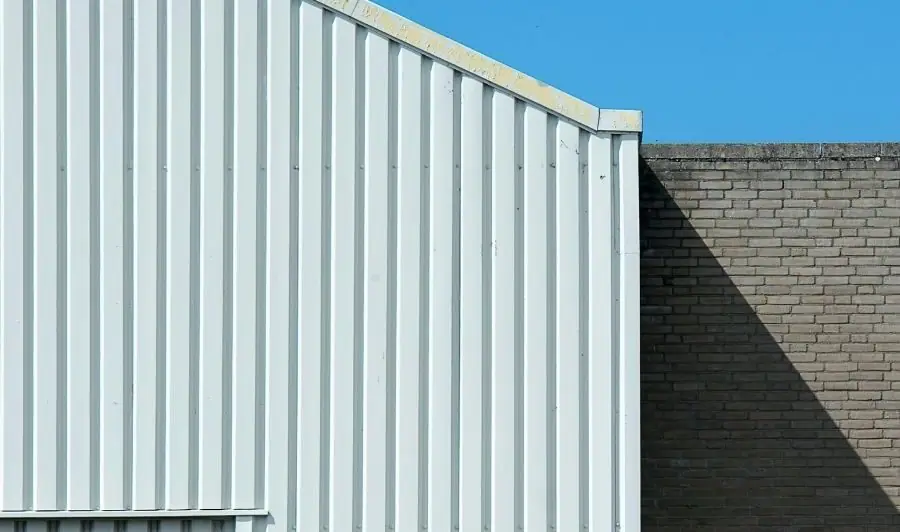
Understanding Vinyl Siding Cost in Austin
Vinyl siding became commercially available in the United States in the late 1950s and rapidly gained popularity through the 1970s and 1980s as a low-maintenance alternative to wood and aluminum siding. By the 1990s, it had become the most widely installed exterior cladding material in the country, and that trend has continued into the 2020s. In the Austin metro area, vinyl siding appears on a wide cross-section of housing stock — from post-war cottages in South Lamar and Zilker neighborhoods to expansive suburban homes in Lakeway, Bee Cave, and Circle C Ranch.
Vinyl siding cost encompasses several components: the material itself (sold by the square, which equals 100 square feet), labor for removal and installation, underlayment and moisture barriers, trim and accessories such as J-channels, soffit, and fascia, and any necessary structural repairs discovered during installation. In Austin, the average home exterior ranges from 1,200 to 2,500 square feet of sideable surface area, meaning total project costs can vary significantly based on home size, profile complexity, and chosen product grade.
Read moreShow less
There are three primary grades of vinyl siding relevant to Austin homeowners. Builder-grade or economy vinyl typically measures 0.035 to 0.040 inches thick and is suitable for budget-conscious projects. Mid-grade residential vinyl, the most popular category, ranges from 0.042 to 0.046 inches and offers improved rigidity and color retention. Premium or architectural vinyl reaches 0.048 to 0.055 inches thick and is engineered to withstand the kind of intense UV exposure and thermal expansion seen during Austin’s triple-digit summer temperatures.
Because Austin sits at the boundary of USDA Hardiness Zones 8b and 9a, with average summer highs exceeding 97°F and occasional hard freezes in January and February, material performance across both extremes is a key consideration when evaluating vinyl siding cost. The right product selection directly affects long-term value, which is why working with an experienced local contractor matters enormously.
Learn more about our Vinyl Siding Installation services
Why Vinyl Siding Cost Is a Critical Consideration for Austin, TX Homeowners
Extreme Heat and UV Radiation
Austin averages 228 sunny days per year and routinely records heat index values above 105°F from June through September. During the historic heat dome of summer 2023, Austin recorded 45 consecutive days at or above 100°F — a record that surpassed even the devastating 2011 drought year. This sustained UV radiation and thermal stress causes lower-quality siding materials to fade, warp, and become brittle within five to ten years. Premium-grade vinyl, while costing $0.50 to $1.00 more per square foot than economy options, pays for itself by maintaining structural integrity and color for 30-plus years under these conditions.
Hailstorms and Severe Weather Events
Central Texas sits within the southern edge of Tornado Alley, and Austin has experienced significant hail events in recent years. The April 2016 hailstorm, which produced golf ball-sized hail across Travis County, caused hundreds of millions of dollars in property damage. More recently, the March 2023 storm system dropped 1.5-inch hail across neighborhoods including Barton Creek, West Lake Hills, and Rollingwood. Standard vinyl siding rated at Class 3 or Class 4 impact resistance (per ANSI/FM 4473 standards) provides meaningful protection and can even qualify homeowners for insurance premium discounts — an Austin-specific cost benefit worth exploring with your insurer.
Expansive Clay Soils and Foundation Movement
Much of the Austin metropolitan area — particularly in neighborhoods west of MoPac Expressway including Lost Creek, Village at Western Oaks, and Circle C Ranch — sits atop Houston Black clay and Austin Clay soil series. These soils are highly expansive, swelling when wet and shrinking dramatically during droughts. The City of Austin’s Watershed Protection Department has documented foundation movement of up to two inches vertically in some Travis County neighborhoods during periods of extreme drought. This movement causes conventional wood or fiber cement siding to crack and gap, while properly installed vinyl siding — with its designed expansion and contraction clearances — tolerates minor structural shifts far more gracefully.
Humidity and Moisture Intrusion
While Austin is semi-arid overall, it experiences pronounced humidity spikes during spring storm season and subtropical moisture events. Zilker, South Lamar, and Downtown Austin neighborhoods near Barton Creek and the Colorado River basin see elevated moisture exposure compared to upland areas. Moisture infiltration behind aging wood or deteriorated siding is a leading cause of structural rot, mold proliferation, and pest intrusion in these areas, making timely vinyl siding replacement a cost-effective alternative to far more expensive remediation work.
Energy Efficiency and Cost Savings
Austin Energy reports that the average Austin household spends approximately $1,800 to $2,400 annually on electricity, with air conditioning accounting for nearly 40% of that total. Insulated vinyl siding with foam backing can improve a home’s R-value by 2 to 4 points, reducing HVAC load and contributing meaningfully to lower monthly utility bills — particularly relevant given Austin Energy’s tiered rate structure that penalizes high consumption during peak demand periods.
Free, no-obligation estimates
Talk to Barton Creek Siding Experts
Tell us what you need and we’ll take it from there.
Signs You Need Vinyl Siding Service in Austin
Visual Warning Signs
- Fading, chalking, or severe discoloration inconsistent with normal aging — particularly common after Austin’s intense summer UV seasons
- Warping, buckling, or panels pulling away from the wall, often caused by improper installation without adequate thermal expansion gaps
- Visible cracks, holes, or impact damage — frequently from hail events or windborne debris during Central Texas storms
- Mold or mildew staining that cannot be removed with standard cleaning, indicating moisture has penetrated behind the panel face
Structural and Performance Warning Signs
- Increased energy bills during Austin’s summer cooling season without a corresponding change in usage habits
- Drafts, cold spots, or uneven room temperatures suggesting air infiltration through compromised siding sections
- Soft spots, sponginess, or give when pressing on the siding surface, indicating rot or substrate damage beneath
- Peeling interior paint or wallboard staining near exterior walls — a sign of moisture migration through failed siding
Urgency Indicators
- Any section of siding that has completely separated from the structure, exposing housewrap or sheathing to weather
- Evidence of pest activity — carpenter ants, termites, or rodents — entering through siding gaps (a critical concern in Hill Country adjacent areas like Barton Creek and Dripping Springs)
- Siding that predates 1990 and has never been replaced, as older formulations lack modern UV stabilizers and impact modifiers
Schedule a professional Siding Inspection today
Our process
Our Vinyl Siding Cost and Installation Process in Austin
- 01
Free On-Site Assessment and Measurement (Day 1 — 1 to 2 Hours)
Our estimator visits your Austin home for a comprehensive walkthrough, measuring all exterior surfaces including dormers, gables, bump-outs, and garage faces. We document existing conditions, photograph all damage, and assess the substrate and moisture barrier
- 02
Detailed Written Estimate and Material Selection (Within 48 Hours)
We provide a line-item written estimate covering material grades, labor, disposal, and accessory components. We present options across economy, mid-grade, and premium vinyl tiers, helping you balance upfront vinyl siding cost against long-term performance — an
- 03
Permit Coordination (3 to 7 Business Days)
The City of Austin Development Services Department requires building permits for siding replacement projects that involve structural repairs or exceed certain square footage thresholds. We handle all permit applications, coordination with Austin’s DSD online p
- 04
Old Siding Removal and Substrate Inspection (Day 1 of Installation — 1 to 2 Days)
All existing siding and trim are carefully removed and disposed of per Travis County waste guidelines. We conduct a thorough inspection of the housewrap, sheathing, and framing. Given Austin’s clay soil movement history, we pay particular attention to corners
- 05
Moisture Barrier and Underlayment Installation (Day 2 — 4 to 8 Hours)
We install or replace housewrap and flashing at all penetrations, windows, and doors. Austin’s spring storm exposure makes a robust moisture management layer non-negotiable for long-term siding performance.
- 06
Vinyl Siding and Trim Installation (2 to 4 Days Depending on Home Size)
Panels are installed with manufacturer-specified expansion clearances — typically 3/8 inch at terminals — to accommodate Austin’s 100°F+ summer temperatures, which can cause vinyl to expand by up to 1/2 inch per 10-foot panel. All corners, J-channels, and soff
- 07
Final Inspection and Cleanup (Final Day — 2 to 4 Hours)
A senior technician performs a comprehensive walkthrough with the homeowner, reviewing every panel run, trim detail, and penetration seal. All debris is removed, and we schedule any required City of Austin final inspection. Explore our complete Siding Replacem
Vinyl Siding Methods and Approaches We Use in Austin
Full Replacement Installation
The most comprehensive approach involves removing all existing cladding down to the sheathing, replacing any damaged substrate, installing new housewrap, and fitting an entirely new vinyl siding system. This method is recommended for Austin homes with siding over 20 years old, evidence of moisture damage, or those transitioning from wood or fiber cement cladding. Full replacement allows inspection of the complete building envelope — critical in neighborhoods like Barton Creek and West Lake Hills where tree coverage can accelerate hidden moisture damage.
Selective Panel Repair and Replacement
For isolated hail damage or impact damage affecting less than 15 to 20% of the total siding surface, targeted panel replacement is often the most cost-effective solution. Our team sources matching profiles and colors to minimize visual discontinuity. This approach is frequently used following Austin’s spring hail events when damage is concentrated on west- and north-facing elevations. Learn about our Siding Repair services
Over-Cladding (Vinyl Over Existing Siding)
In certain applications, new vinyl siding can be installed directly over sound existing wood or hardboard siding, eliminating demolition costs and adding an additional insulation layer. This method requires careful evaluation of existing substrate flatness and moisture conditions. It is less common in Austin’s humid creek-adjacent neighborhoods but appropriate for well-maintained upland properties in areas like Shady Hollow or Bear Creek.
Insulated Vinyl Siding Installation
Insulated vinyl siding incorporates a factory-bonded EPS foam backer, improving the panel’s R-value by 2.0 to 4.0 and increasing rigidity to resist Austin’s thermal expansion and contraction cycles. This premium approach carries a 20 to 30% higher material cost but delivers measurable energy savings given Austin Energy’s summer peak rates — making it a financially sound long-term investment for most Austin homeowners.
Board and Batten Vinyl Siding
Increasingly popular across Austin’s Hill Country-adjacent communities like Dripping Springs, Bee Cave, and Lakeway, board and batten vinyl profiles deliver a vertical aesthetic that complements ranch-style and contemporary farmhouse architecture while offering the same durability advantages as horizontal vinyl panels. Explore our Board and Batten Siding Installation options
Vinyl Siding Cost in Austin, TX — Pricing Guide
Understanding the realistic cost of vinyl siding in Austin helps homeowners budget confidently and evaluate contractor quotes fairly. Below are current market ranges based on 2024 pricing in the Austin metropolitan area.
Material Costs
- Economy/Builder-Grade Vinyl: $1.00 to $2.50 per square foot installed
- Mid-Grade Residential Vinyl: $3.00 to $5.50 per square foot installed
- Premium/Architectural Vinyl: $5.50 to $8.00 per square foot installed
- Insulated Vinyl Siding: $6.00 to $12.00 per square foot installed
Total Project Costs for Austin Homes
- Small home (1,000 to 1,500 sq ft exterior surface): $6,000 to $14,000
- Mid-size home (1,500 to 2,500 sq ft exterior surface): $10,000 to $22,000
- Large home (2,500+ sq ft exterior surface): $18,000 to $35,000+
Read moreShow less
Austin-Specific Cost Factors
Several factors unique to the Austin market influence final project pricing. Austin’s construction labor market remains tight following the post-2020 population surge, with the city gaining over 150,000 new residents between 2020 and 2023 according to U.S. Census data. This demand sustains labor rates approximately 10 to 15% above national averages. City of Austin permit fees for siding projects typically range from $150 to $450 depending on project valuation. Homes in canyon-adjacent neighborhoods like Lost Creek or Barton Creek may incur additional staging and access costs due to steep lot grades. Additionally, post-storm demand surges following major hail events can temporarily increase contractor availability timelines and material lead times by two to four weeks.
Explore Siding Maintenance options to protect your investment
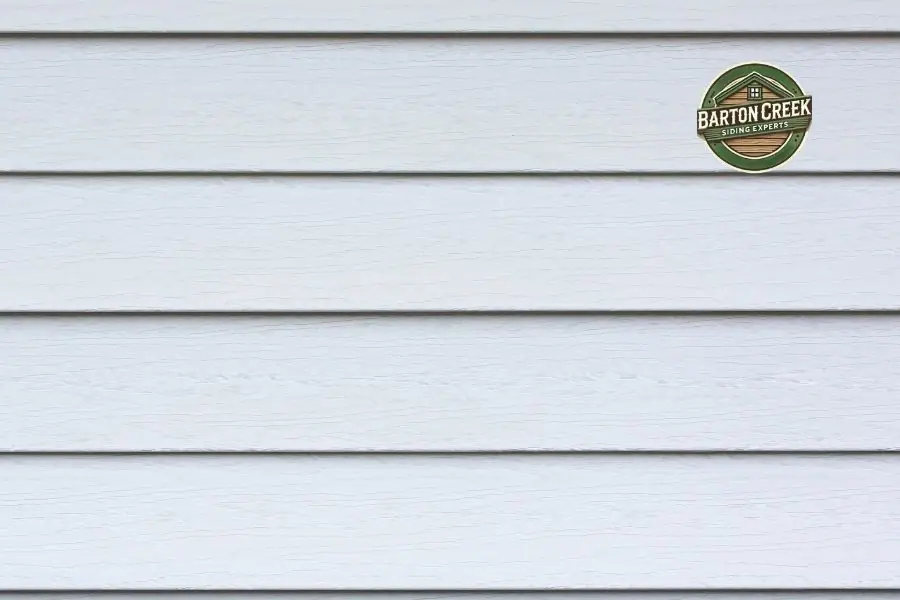
Austin Neighborhoods We Serve
Barton Creek and West Lake Hills
Homes in Barton Creek and West Lake Hills — many built between 1985 and 2005 — frequently feature complex rooflines, multiple gable faces, and canyon-adjacent exposures that increase both material quantities and labor complexity. Tree canopy coverage in these neighborhoods creates persistent moisture conditions on north-facing walls, making vapor management details especially critical. Barton Creek is our home service area, and we understand every nuance of these properties.
Circle C Ranch and Village at Western Oaks
These master-planned communities, developed primarily from the mid-1990s through the 2010s, feature large two-story homes with significant siding square footage. Many homes in Circle C Ranch are now reaching the age where original builder-grade siding is showing UV fatigue and color fade. Houston Black clay soil conditions in this area make thorough foundation-to-siding gap evaluation essential during installation.
Oak Hill and Shady Hollow
Oak Hill’s older housing stock, including ranch homes from the 1960s through 1980s, often features original wood siding or early-generation vinyl that is overdue for replacement. Shady Hollow’s 1980s and 1990s subdivisions frequently present opportunities for upgrading to modern insulated vinyl that meaningfully reduces cooling loads during Austin’s brutal summer months.
South Lamar and Zilker
These urban Austin neighborhoods include bungalows and cottages dating from the 1920s through 1950s alongside newer infill construction. Moisture exposure from proximity to Barton Creek and Ladybird Lake elevates the priority of quality moisture barriers and panel installation precision in these areas.
Vinyl Siding Maintenance Tips for Austin Homeowners
- Annual soft-wash cleaning: Use a garden hose and a mild detergent to remove Austin’s notorious cedar pollen (peak February through March) and summer dust accumulation. Avoid pressure washing above 1,500 PSI, which can force water behind panels.
- Post-storm inspection: After any significant hail event or severe thunderstorm, walk your home’s perimeter and inspect all elevations for cracked, dented, or displaced panels. Document damage with photographs before cleaning for insurance claim purposes.
- Vegetation management: Keep tree branches and shrubs trimmed back at least 12 inches from siding surfaces. Austin’s live oak and cedar elm trees drop debris that traps moisture against siding faces.
- Caulk and sealant inspection: Inspect all penetration points — utility entries, hose bibs, light fixtures — annually and re-caulk with a paintable, UV-stable sealant rated for Austin’s temperature range (-20°F to 200°F).
- Gutter maintenance: Keep gutters clear to prevent overflow that cascades behind siding at the roofline — a particularly common issue during Austin’s intense spring thunderstorm season.
- Thermal gap check: Every five years, verify that expansion gaps at J-channels and trim terminals remain open and unobstructed. Gaps that have been caulked shut will cause panel buckling during 100°F+ summer days.
- Professional inspection every 3 to 5 years: Schedule a professional siding inspection to identify developing issues before they escalate into costly repairs.
Why Choose Barton Creek Siding Experts for Vinyl Siding in Austin
Barton Creek Siding Experts is a locally rooted siding contractor built specifically around the demands of Austin’s climate, architecture, and homeowner expectations. We are not a national franchise applying generic installation protocols — we are Austin siding specialists who understand the difference between a Circle C Ranch two-story and a Zilker bungalow, and we adapt our approach accordingly.
Our team works exclusively in the Austin metropolitan area, giving us deep familiarity with local permit requirements, common soil conditions, neighborhood architectural standards, and the seasonal timing of Austin’s most destructive weather events. We source premium-grade vinyl products with proven performance records in Texas’s Zone 8/9 climate conditions.
Read moreShow less
We service homeowners across Barton Creek, West Lake Hills, Lakeway, Bee Cave, Dripping Springs, Rollingwood, Lost Creek, South Lamar, Zilker, Oak Hill, Shady Hollow, Sunset Valley, Bear Creek, Buda, Circle C Ranch, Village at Western Oaks, and Downtown Austin. Every project receives the same standard of craftsmanship and transparent communication from first estimate to final walkthrough.
Ready to get an accurate vinyl siding cost estimate for your Austin home? Call us at (512) 634-8683 today.
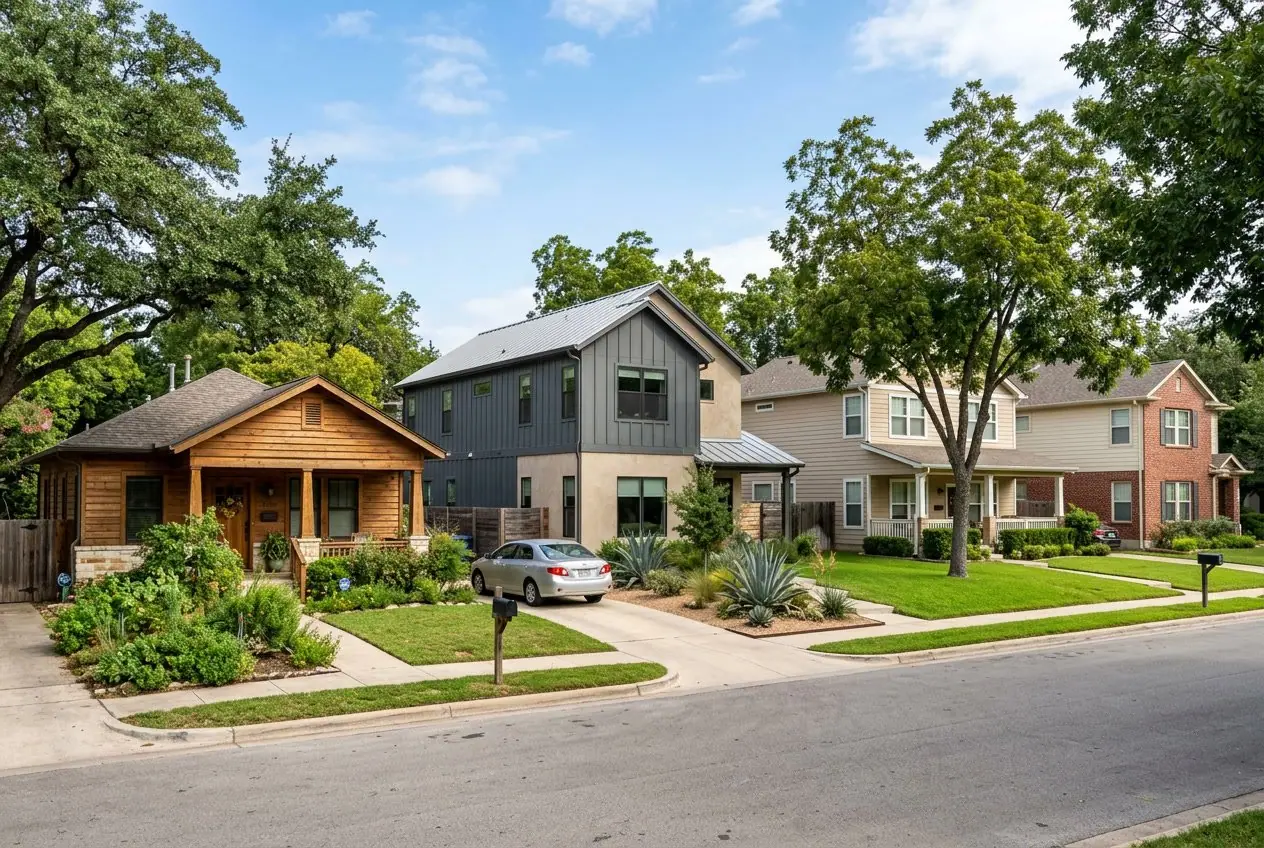
FAQ
Frequently Asked Questions About Vinyl Siding Cost in Austin, TX
What is the average vinyl siding cost for an Austin home?
For most Austin-area homes, total vinyl siding installation costs range from $10,000 to $25,000 depending on home size, product grade, and project complexity. Mid-grade vinyl on a typical 2,000-square-foot two-story home in areas like Circle C Ranch or Lakeway generally falls between $14,000 and $20,000 fully installed, including removal, disposal, and permits.
How long does vinyl siding last in Austin’s hot climate?
Quality mid-grade to premium vinyl siding, properly installed with adequate thermal expansion gaps, typically lasts 30 to 40 years in Austin’s climate. Economy-grade products may show UV degradation, fading, and brittleness within 10 to 15 years given Austin’s 228 average sunny days and triple-digit summer temperatures.
Does vinyl siding hold up to Austin hailstorms?
Standard residential vinyl siding is rated to withstand impact from hail up to approximately 1 inch in diameter under typical conditions. For Austin’s hail risk — which has produced 1.5-inch or larger hail events in multiple recent years — we recommend Class 4 impact-resistant vinyl profiles, which carry independent ANSI/FM 4473 certification and may qualify your home for Texas homeowner’s insurance discounts.
Do I need a permit to replace siding in Austin, TX?
Yes, the City of Austin Development Services Department generally requires a building permit for siding replacement projects, particularly when structural repairs, sheathing replacement, or changes to the building envelope are involved. Barton Creek Siding Experts manages the entire permit process on your behalf, including coordination with Austin’s online DSD portal and scheduling of required inspections.
How long does vinyl siding installation take in Austin?
A typical Austin home siding project takes three to seven business days from demolition through final inspection, depending on home size and complexity. Permit processing adds three to seven business days prior to construction start. During Austin’s peak spring storm recovery season (April through June), material lead times and scheduling availability may extend by one to two weeks.
Can vinyl siding help lower my Austin Energy bills?
Yes, particularly when insulated vinyl siding is selected. Insulated vinyl with EPS foam backing can improve wall assembly R-values by 2 to 4 points, meaningfully reducing heat gain through exterior walls during Austin’s summer months when cooling accounts for up to 40% of total household electricity usage. Some Austin Energy rebate programs may also apply to qualifying energy-efficient exterior improvements — we recommend checking with Austin Energy directly for current program availability.
Is vinyl siding appropriate for older Austin homes in neighborhoods like Zilker or South Lamar?
Vinyl siding can be an excellent choice for older Austin homes, offering low maintenance and moisture resistance advantages. However, homeowners in historic overlay districts or HOA-governed neighborhoods should verify aesthetic and material guidelines before proceeding. Barton Creek Siding Experts can help you navigate any neighborhood-specific requirements and select vinyl profiles that complement your home’s architectural character.
What other siding options do you install beyond vinyl?
In addition to vinyl siding, we offer James Hardie Siding Installation, Fiber Cement Siding Installation, and Board and Batten Siding Installation across Austin and the surrounding Hill Country communities. Our team can help you compare costs and performance characteristics for each material based on your specific home and neighborhood.
Get Your Free Vinyl Siding Cost Estimate in Austin, TX
Don’t let Austin’s heat, hail, and humidity continue to compromise your home’s exterior. Whether you’re facing storm damage in Barton Creek, replacing aging siding in Oak Hill, or upgrading your Circle C Ranch home, Barton Creek Siding Experts is ready to deliver a detailed, no-obligation vinyl siding cost estimate tailored to your property.
Our local team understands Austin’s unique climate challenges, soil conditions, and permit processes — and we’re committed to providing transparent pricing and exceptional results on every project. Serving Austin, Lakeway, Bee Cave, Dripping Springs, West Lake Hills, Rollingwood, South Lamar, Zilker, and all surrounding communities.
Call us today at (512) 634-8683 to schedule your free on-site assessment. You can also reach us online to request a quote and speak directly with an Austin siding specialist who knows your neighborhood.
Request Your Free Vinyl Siding Estimate Today
Get in touch
Find siding help near you
Request a free estimate online or give us a call — our team will follow up quickly.
- Call us(512) 634-8683
- Visit7500 Rialto Blvd suite 250 #07, Austin, TX 78735
- HoursMon-Sun: 7:00 am – 7:00 pm