Hardie Board Siding Installation in Austin, TX
Hardie board siding installation is the process of installing fiber cement exterior siding engineered to protect homes and buildings from harsh weather, moisture intrusion, and long-term material degradation. In Austin, TX, Hardie board siding must withstand prolonged heat, intense UV exposure, seasonal storms, fluctuating humidity, and high wind loads that place continuous stress on exterior building envelopes. Homes in neighborhoods such as West Lake Hills and Rollingwood experience higher sun exposure due to elevation, while areas like Bee Cave and Lakeway are more susceptible to wind-driven rain and rapid temperature changes. Barton Creek Siding Experts provides hardie board siding installation throughout Austin and surrounding communities, applying local construction knowledge to ensure fiber cement systems perform reliably under Central Texas conditions.
Understanding Hardie Board Siding Installation
What Is Hardie Board Siding Installation?
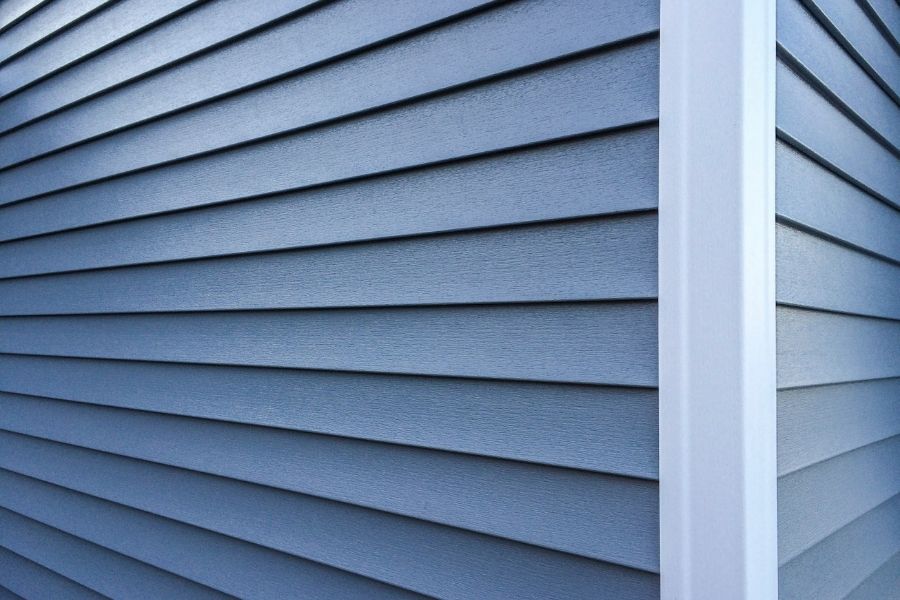
Hardie board siding installation involves attaching fiber cement planks or panels made from cement, sand, and cellulose fibers to a building’s exterior wall system. Unlike vinyl siding or wood, fiber cement is engineered to resist heat, moisture, insects, and fire while maintaining dimensional stability.
In Austin, siding materials have evolved alongside regional construction trends. Early homes built before the 1950s relied heavily on wood siding or masonry exteriors. As suburban expansion accelerated through the 1970s and 1980s in areas like Sunset Valley and Oak Hill, builders began experimenting with aluminum and engineered wood siding to reduce maintenance.
Hardie board siding gained popularity in Austin during the late 1990s and early 2000s as homeowners sought materials capable of handling intense heat and humidity without warping or rotting. Today, fiber cement siding is one of the most commonly specified exterior materials in Cedar Park, Leander, Round Rock, and higher-end custom builds throughout West Austin.
Hardie board siding is commonly used on:
Single-family residential homes
Multi-unit residential properties
Commercial buildings
Renovations of historic or architecturally significant homes
Advantages of Hardie board siding include:
Exceptional resistance to heat and UV exposure
Strong moisture and rot resistance
Fire-resistant composition
Long lifespan with minimal maintenance
Potential considerations:
Higher upfront cost than vinyl
Requires skilled installation
Heavier material requiring structural awareness
When installed correctly, Hardie board siding offers one of the most durable exterior solutions available for Austin properties.
Why Austin Homes and Buildings Need Hardie Board Siding Installation
Common Siding Problems in Austin, TX
Austin’s environmental conditions create predictable stress patterns that directly affect exterior siding materials.
Heat and UV Stress
The Mechanism
Austin frequently experiences summer temperatures exceeding 100°F combined with a high UV index. Prolonged exposure causes many siding materials to expand, fade, or become brittle. Fiber cement, while more stable, still requires correct spacing and fastening to accommodate thermal movement.
Timeline
Gradual over multiple seasons.
Symptoms
Fading paint finishes
Hairline cracking in inferior materials
Warping in improperly installed systems
Neighborhood Impact
South- and west-facing elevations in Lakeway and Hudson Bend receive the highest solar load.
Moisture and Humidity Intrusion
The Mechanism
Spring rainfall and sustained humidity create ideal conditions for moisture intrusion behind poorly sealed siding systems. Trapped moisture leads to mold growth and substrate damage.
Timeline
Gradual and often concealed.
Symptoms
Soft sheathing
Mold staining
Interior moisture marks
Location-Specific Factors
Homes near greenbelts and creeks in Lost Creek and Dripping Springs face elevated moisture exposure.
Storm and Hail Damage
The Mechanism
Severe thunderstorms and hail events—such as those recorded in March 2021 and April 2023—can crack brittle siding materials or dislodge poorly secured panels.
Timeline
Sudden impact damage.
Symptoms
Chipped or cracked siding
Loose trim boards
Exposed moisture barriers
Aging and Outdated Siding Systems
Many older siding systems were not designed to handle Austin’s modern climate realities, prompting homeowners to upgrade to fiber cement for long-term performance and reduced maintenance.
Signs You Need Hardie Board Siding Installation
Common indicators include:
Cracked or deteriorating siding
Persistent fading despite repainting
Moisture intrusion or mold growth
Warping or separation at seams
Storm or hail damage
Rising cooling costs
Repeated exterior repairs
Visible substrate deterioration
Loose or shifting panels
After severe weather events or prolonged heatwaves, a professional evaluation can determine whether new installation is the most effective solution.
What Our Customers Are Saying
Trustindex verifies that the original source of the review is Google. Austin's roofing contractors are known for their professionalism, timely service, and quality workmanship. Many offer free inspections and use durable materials suited for Texas weather.Trustindex verifies that the original source of the review is Google. Barton Creek Siding Experts did an amazing job—professional, detailed, and easy to work with!Google rating score: 5.0 of 5, based on 2 reviews
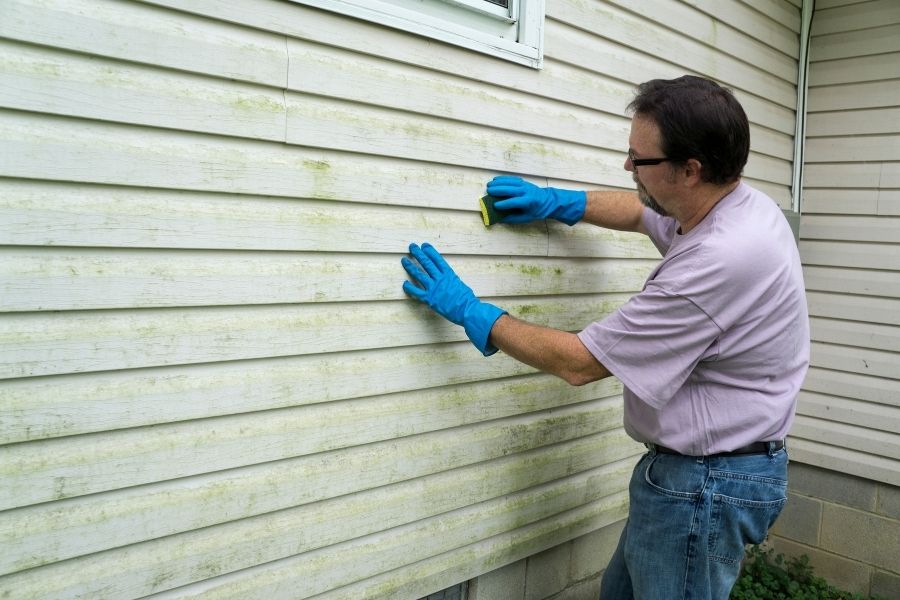
How We Perform Hardie Board Siding Installation in Austin, TX
Our Installation Process
Initial Property Evaluation (Day 1)
Assessment of existing siding, structural integrity, and exposure conditions.Material & Profile Selection (Day 1–2)
Choosing appropriate Hardie board profiles and finishes for sun exposure and architectural style.Surface Preparation (Day 2–3)
Removal of existing siding and installation of moisture barriers and flashing.Precision Installation (Days 3–6)
Boards installed with correct clearances, fastening patterns, and expansion allowances.Trim and Detail Integration (Day 6)
Installation of fiber cement trim around openings and transitions.Final Inspection (Day 6–7)
Verification of alignment, durability, and code compliance.
Our team delivers comprehensive exterior solutions as part of our broader siding installation capabilities for Austin-area properties.
Hardie Board Siding Installation Methods and Approaches
Lap Siding (HardiePlank)
Most common residential application.
Board-and-Batten
Popular for modern and farmhouse-style homes.
Panel Siding
Used for contemporary architectural designs.
Trim and Soffit Integration
Ensures complete exterior protection.
Each method is selected based on building type, exposure conditions, and aesthetic goals.
Hardie Board Siding Installation Cost in Austin, TX
Hardie board siding installation in Austin typically ranges from $10 to $16 per square foot.
Typical project costs:
Small homes: $12,000–$18,000
Full home exteriors: $18,000–$35,000+
Commercial properties: Varies by scale
Cost drivers include:
Profile and trim complexity
Building height and access
Removal of existing siding
Moisture or structural repairs
Fiber cement often provides better long-term value than frequent siding repair or premature material failure.
Austin, TX Neighborhoods We Serve
We install Hardie board siding throughout:
West Lake Hills: Custom homes with high sun exposure
Bee Cave: Newer developments and luxury residences
Lakeway: Wind-exposed hillside properties
Oak Hill: Mixed-era homes requiring moisture control
Cedar Park: Suburban developments with fiber cement exteriors
Each neighborhood presents unique construction and exposure considerations.
Maintaining Your Hardie Board Siding in Austin, TX
Wash siding annually
Inspect after major storms
Repaint as recommended by manufacturer
Keep vegetation trimmed away
Monitor caulking and joints
Schedule professional inspections every 2–3 years
Proactive maintenance significantly extends siding lifespan and performance.
Why Austin Property Owners Choose Barton Creek Siding Experts
Austin property owners choose Barton Creek Siding Experts because they work with experienced exterior specialists who understand how Central Texas heat, humidity, and storm cycles affect fiber cement siding systems. Our team brings material-specific expertise, historic exterior experience, and a commitment to proper installation practices.
We back our work with clear workmanship warranties and a focus on long-term exterior performance rather than short-term fixes or unnecessary siding replacement projects.
Schedule Your Free Hardie Board Siding Installation Inspection
If you’re considering upgrading your exterior, Barton Creek Siding Experts offers free Hardie board siding installation inspections throughout Austin, TX and surrounding areas. Our team evaluates exposure risks, material performance, and siding installation requirements to provide clear, practical recommendations.
We proudly serve West Lake Hills, Bee Cave, Lakeway, Cedar Park, and nearby communities. Schedule your free inspection today and protect your property with a fiber cement siding system designed for Central Texas conditions.
Frequently Asked Questions About Hardie Board Siding Installation
How long does Hardie board siding installation take?
Most projects are completed within 1–7 days.
Is Hardie board suitable for Austin’s climate?
Yes, fiber cement performs exceptionally well under heat and humidity.
Does Hardie board fade over time?
Painted finishes may fade slowly but are more UV-resistant than many alternatives.
Is Hardie board fire resistant?
Yes, fiber cement is non-combustible.
Does installation require permits?
Some projects require permits depending on scope and location.
Can Hardie board be installed year-round?
Yes, though spring and fall offer optimal conditions.
Is Hardie board worth the cost?
Many homeowners choose it for durability and long-term value.
Your siding is your home’s first defense against Texas weather — make sure it’s built to last. Call Barton Creek Siding Experts today or request your free consultation online to start your project.