Stone Veneer Installation in Austin, TX
Stone veneer installation is the process of applying a thin layer of natural or manufactured stone to the exterior of a home or building to enhance durability, weather resistance, and architectural character. In Austin, TX, stone veneer siding installation must be engineered to perform under prolonged heat, intense UV exposure, seasonal storms, fluctuating humidity, and wind-driven rain that place constant stress on exterior wall systems. Homes in neighborhoods such as West Lake Hills and Rollingwood often incorporate stone elements to complement Hill Country architecture, while properties in Bee Cave and Lakeway face added exposure from elevation and open terrain. Barton Creek Siding Experts provides stone veneer installation across Austin and surrounding communities, applying local construction knowledge to ensure veneer systems perform reliably in Central Texas conditions.
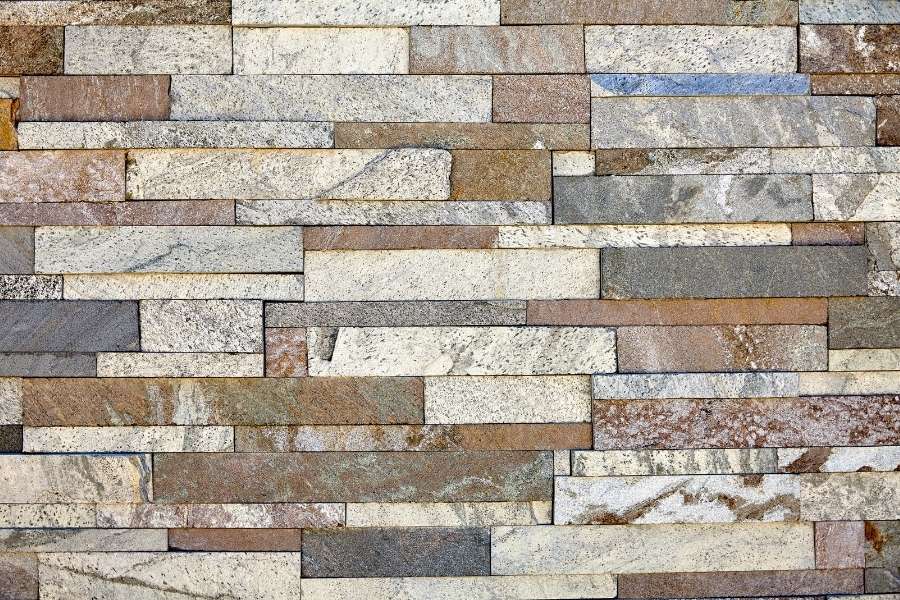
Understanding Stone Veneer Systems
What Is Stone Veneer Installation?
Stone veneer installation involves attaching thin stone materials—either natural stone or manufactured stone—to an exterior wall system using specialized substrates, moisture barriers, and fastening or mortar techniques. Unlike full-depth masonry, veneer systems reduce structural load while maintaining the appearance and durability of solid stone.
In Austin, stone has long been used as a building material due to the availability of local limestone and its natural resistance to heat. Early homes and public buildings throughout Central Texas frequently incorporated stone or masonry exteriors, particularly in historic districts and rural properties.
As residential development expanded in the late 20th century, stone veneer became a popular alternative to full masonry construction. Today, stone veneer is commonly used on:
Single-family residential homes
Custom and luxury properties
Commercial and mixed-use buildings
Accent walls and entry façades
Stone veneer systems are prevalent in neighborhoods like Dripping Springs, Oak Hill, and newer developments throughout West Austin, where Hill Country and transitional architectural styles are common.
Advantages of stone veneer include:
Exceptional durability and impact resistance
Strong resistance to UV exposure and fading
Timeless architectural appeal
Increased perceived property value
Considerations include:
Higher installation complexity
Requires proper moisture management
Material and labor costs vary by stone type
When installed correctly, stone veneer offers one of the most resilient and visually striking exterior finishes for Austin properties.
Why Austin Homes and Buildings Need Stone Veneer Installation
Climate-Driven Exterior Challenges in Austin, TX
Austin’s climate creates specific stressors that make stone veneer a practical and durable siding option.
Heat and UV Exposure
The Mechanism
Austin regularly experiences summer temperatures exceeding 100°F, combined with high UV intensity. Many exterior materials fade or degrade under prolonged exposure. Stone veneer, whether natural or manufactured, maintains color and structural integrity far better than most alternatives.
Timeline
Gradual wear over many years.
Symptoms
Fading or discoloration in non-stone siding
Warping or cracking in heat-sensitive materials
Increased cooling loads
Neighborhood Differences
Homes in Lakeway and Hudson Bend experience higher solar exposure due to elevation and limited shade.
Moisture and Humidity Stress
The Mechanism
Spring rainfall and sustained humidity allow moisture to infiltrate poorly detailed siding systems. Stone veneer systems rely on drainage planes and flashing to manage water effectively.
Timeline
Progressive if moisture control is inadequate.
Symptoms
Efflorescence on stone surfaces
Mold growth behind veneer
Soft or damaged wall sheathing
Location-Specific Factors
Homes near greenbelts and creeks in Lost Creek and Dripping Springs face increased moisture exposure.
Storm and Impact Resistance
The Mechanism
Severe thunderstorms—such as those recorded in March 2021 and April 2023—bring hail and high winds that can damage lightweight siding materials. Stone veneer offers superior resistance to impact and wind when installed correctly.
Timeline
Sudden damage avoided through material strength.
Symptoms
Cracked or broken panels in other siding systems
Repeated storm repairs
Exposed moisture barriers
Aging and Outdated Siding Systems
Many older Austin homes feature siding materials that no longer meet modern durability expectations, prompting upgrades to stone veneer for both protection and curb appeal.
Signs You Need Stone Veneer Installation
Common indicators include:
Cracked or deteriorating exterior siding
Repeated storm-related damage
Persistent moisture intrusion
Severe fading or discoloration
Rising maintenance costs
Outdated or inconsistent exterior appearance
Structural wear around entryways
Increased noise penetration
Desire for architectural enhancement
After severe storms or prolonged heat exposure, a professional evaluation can determine whether stone veneer is an appropriate solution.
What Our Customers Are Saying
Trustindex verifies that the original source of the review is Google. Austin's roofing contractors are known for their professionalism, timely service, and quality workmanship. Many offer free inspections and use durable materials suited for Texas weather.Trustindex verifies that the original source of the review is Google. Barton Creek Siding Experts did an amazing job—professional, detailed, and easy to work with!Google rating score: 5.0 of 5, based on 2 reviews
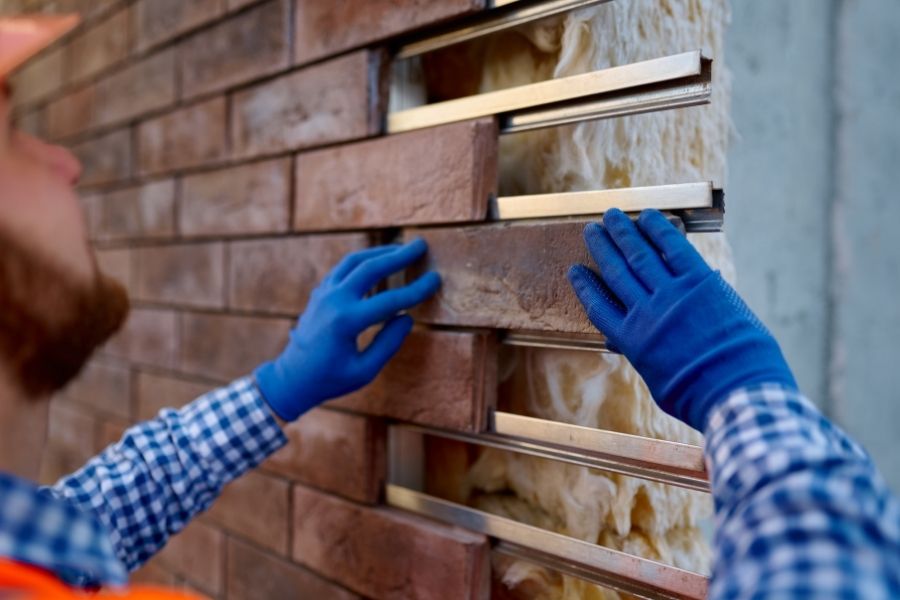
How We Perform Stone Veneer Installation in Austin, TX
Our Installation Process
Initial Evaluation (Day 1)
Assessment of wall structure, substrate condition, and exposure risks.Material Selection (Day 1–2)
Selection of natural stone, manufactured stone, or thin veneer based on design and performance goals.Surface Preparation (Day 2–3)
Installation of moisture barriers, lath, and flashing systems.Stone Application (Days 3–5)
Precise placement of veneer with appropriate spacing and bonding techniques.Jointing and Finishing (Day 5–6)
Mortar finishing or dry-stack detailing as specified.Final Inspection (Day 6–7)
Verification of drainage, adhesion, and code compliance.
This process reflects our broader expertise in professional exterior construction and climate-appropriate siding installation practices.
Stone Veneer Installation Methods and Approaches
Natural Stone Veneer
Authentic appearance with maximum durability.
Manufactured or Cultured Stone
Lightweight option with consistent profiles.
Thin Stone Veneer Panels
Ideal for modern designs and retrofits.
Faux Stone Systems
Cost-effective aesthetic solution for select applications.
Each method is selected based on building type, exposure conditions, and architectural style.
Stone Veneer Installation Cost in Austin, TX
Stone veneer installation in Austin typically ranges from $15 to $30 per square foot, depending on material and complexity.
Typical project costs:
Accent walls: $5,000–$10,000
Partial exteriors: $10,000–$20,000
Full façade installations: $20,000–$40,000+
Cost drivers include:
Stone type and sourcing
Installation method
Surface preparation requirements
Building height and access
Stone veneer often provides long-term value compared to frequent exterior fixes or premature siding replacement.
Austin, TX Neighborhoods We Serve
We install stone veneer across:
West Lake Hills: Luxury and custom homes
Bee Cave: Hill Country architecture
Lakeway: Elevated properties with high exposure
Oak Hill: Mixed-era residential homes
Cedar Park: Residential and commercial developments
Each neighborhood presents unique architectural and environmental considerations.
Maintaining Your Stone Veneer in Austin, TX
Inspect veneer annually
Wash surfaces to remove dust and pollen
Check mortar joints after storms
Address drainage issues promptly
Keep vegetation away from stone surfaces
Schedule professional inspections every 2–3 years
Proper care minimizes the need for corrective siding repair and preserves appearance.
Why Austin Property Owners Choose Barton Creek Siding Experts
Austin property owners choose Barton Creek Siding Experts because they work with experienced exterior professionals who understand how Central Texas climate conditions affect stone veneer systems. Our team brings material-specific expertise, historic exterior experience, and a focus on long-term durability.
We deliver complete exterior solutions—from design consultation to ongoing siding services—backed by workmanship warranties and a commitment to quality over shortcuts.
Schedule Your Free Stone Veneer Installation Inspection
If you’re considering an exterior upgrade, Barton Creek Siding Experts offers free stone veneer installation inspections throughout Austin, TX and surrounding areas. Our team evaluates wall conditions, material options, and exposure factors to provide clear, practical recommendations.
We proudly serve West Lake Hills, Bee Cave, Lakeway, Cedar Park, and nearby communities. Schedule your free inspection today and enhance your property with a stone veneer system designed for Central Texas conditions.
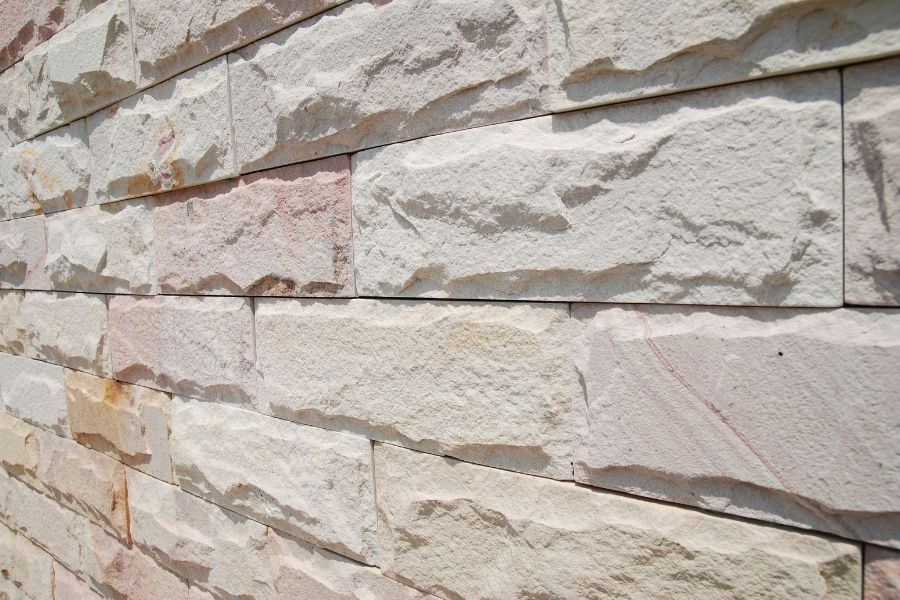
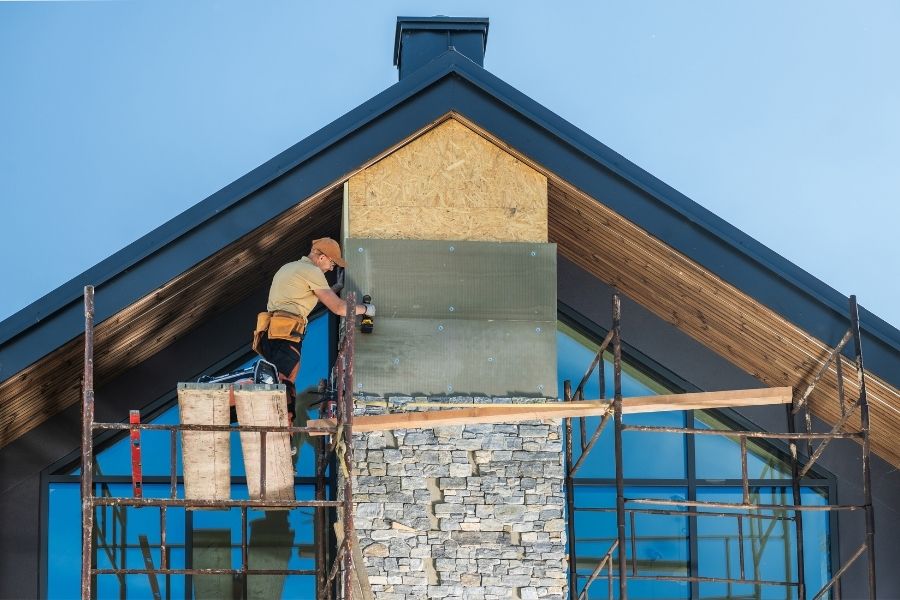
Frequently Asked Questions About Stone Veneer Installation
How long does stone veneer installation take?
Most projects are completed within 1–7 days depending on scope.
Is stone veneer suitable for Austin’s climate?
Yes, it performs exceptionally well under heat, humidity, and storms.
What’s the difference between natural and manufactured stone veneer?
Natural stone offers authenticity; manufactured stone provides consistency and lighter weight.
Does stone veneer require maintenance?
Minimal maintenance is required when installed correctly.
Is stone veneer heavy?
Veneer systems are significantly lighter than full masonry.
Are permits required?
Some projects require permits depending on scope and location.
Can stone veneer be installed over existing siding?
In some cases, but structural evaluation is required.

Your siding is your home’s first defense against Texas weather — make sure it’s built to last. Call Barton Creek Siding Experts today or request your free consultation online to start your project.