Metal siding in Austin, TX is a durable exterior cladding option designed to withstand extreme heat, UV exposure, seasonal storms, humidity shifts, wind, and hail—conditions that regularly affect Central Texas properties. Made from steel or aluminum panels, metal siding offers structural strength, modern architectural appeal, and long-term performance when properly installed. In neighborhoods such as West Lake Hills and Bee Cave, where contemporary custom homes and mixed-use buildings are common, metal exteriors have become increasingly popular for their clean lines and resilience. Barton Creek Siding Experts installs and evaluates metal cladding systems across Austin, tailoring panel selection, fastening methods, and expansion allowances to local climate demands and building codes.
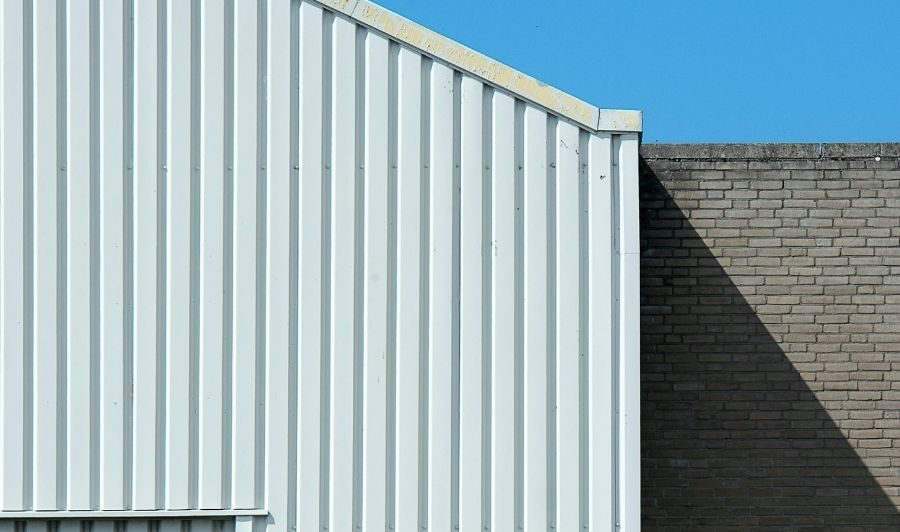
Metal siding is manufactured from formed steel or aluminum panels coated with protective finishes to resist corrosion, fading, and weather damage. Steel siding is typically galvanized or coated with zinc-aluminum alloys for rust protection, while aluminum siding is naturally corrosion-resistant and lightweight.
Historically, metal cladding was primarily used for agricultural and industrial buildings throughout Texas. Over the past two decades, however, architectural trends in Austin have shifted. Modern farmhouses, Hill Country contemporary homes, and commercial developments frequently incorporate corrugated metal siding or vertical metal board and batten systems for both aesthetics and durability.
Compared to wood siding, metal does not rot, attract termites, or require frequent repainting. Compared to fiber cement or vinyl, it offers superior fire resistance and impact resistance in many applications. However, it is not immune to issues—thermal expansion, hail denting, and improper installation can affect performance.
Metal siding works well across residential, commercial, and industrial building types in Austin, particularly when design goals prioritize longevity and low maintenance.
Austin’s climate places significant stress on exterior cladding. Summer temperatures often exceed 100°F, UV levels remain high most of the year, and spring storms bring hail and strong winds.
The Mechanism
Metal expands and contracts with temperature changes. In Texas heat, panels can experience significant daily thermal movement. Without proper spacing and fastening techniques, expansion stress can cause buckling or oil canning (visible waviness).
Symptoms
Panel distortion
Visible waviness
Fastener stress marks
Noise from expansion cycles
Austin-Specific Factors
South- and west-facing elevations in neighborhoods like Lakeway or Dripping Springs experience prolonged direct sunlight, increasing thermal stress.
The Mechanism
While metal siding resists cracking, it can dent when struck by large hailstones. Spring and early summer storms in Central Texas often produce golf ball– to baseball-sized hail.
Symptoms
Surface denting
Permanent cosmetic deformation
Widespread panel impact marks
Austin-Specific Factors
Storm systems affecting Round Rock, Cedar Park, and Pflugerville frequently lead to insurance inspections. Damage may be cosmetic rather than structural, but aesthetic impact can be significant.
The Mechanism
Protective coatings shield steel and aluminum from oxidation. Over time, UV radiation and moisture exposure can degrade finishes, leading to chalking or edge corrosion.
Symptoms
Color fading
Chalking surfaces
Rust bleeding at fasteners (steel)
Edge oxidation
Austin-Specific Factors
Humidity fluctuations and heavy rainfall contribute to coating wear if maintenance is neglected.
The Mechanism
Improperly secured panels can lift under sustained winds. Fastener pull-through or seam separation may occur if installation does not meet wind-resistance standards.
Symptoms
Panel lifting
Loose seams
Rattling in wind
Austin-Specific Factors
Severe thunderstorms and localized wind events require secure fastening systems designed for regional code requirements.
Trustindex verifies that the original source of the review is Google. Austin's roofing contractors are known for their professionalism, timely service, and quality workmanship. Many offer free inspections and use durable materials suited for Texas weather.Trustindex verifies that the original source of the review is Google. Barton Creek Siding Experts did an amazing job—professional, detailed, and easy to work with!Google rating score: 5.0 of 5, based on 2 reviews
Desire for modern or industrial aesthetic
Need for low-maintenance exterior
Frequent termite or moisture concerns
Interest in fire-resistant cladding
Repeated paint failure on current siding
Storm damage to other materials
Commercial or mixed-use property upgrades
Desire for reflective heat performance
Need for durable siding replacement after hail
Proper installation determines long-term performance.
Property Assessment – Evaluate exposure, storm history, and structural condition
Panel Selection – Choose steel siding or aluminum siding based on environment
Moisture Barrier Installation – Proper underlayment and flashing
Thermal Movement Planning – Expansion gaps and sliding fastener systems
Panel Installation – Precision alignment and fastening
Trim & Detail Work – Corners, transitions, and architectural integration
Final Inspection – Code compliance and performance verification
Typical installation timelines range from 3–7 days depending on project scope.
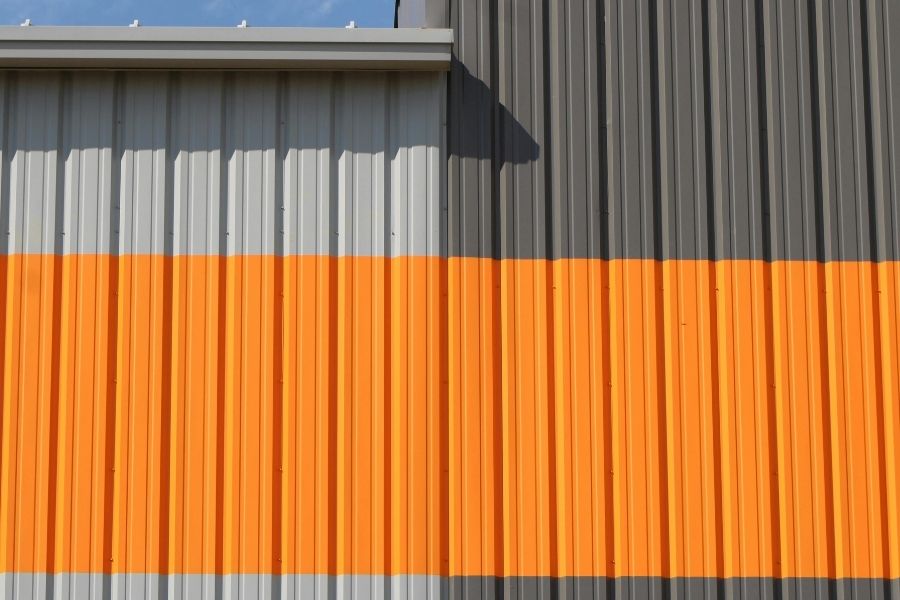
Corrugated Metal Siding – Industrial-modern look, strong impact resistance
Vertical Metal Board and Batten – Clean lines for contemporary homes
Flat Panel Systems – Minimalist architectural designs
Steel Lap Siding – Traditional appearance with enhanced durability
Aluminum Horizontal Panels – Lightweight and corrosion-resistant
Each style varies in cost, expansion behavior, and aesthetic impact.
Metal siding costs vary depending on siding material and complexity.
Typical Ranges:
$7–$14 per sq ft (material only)
$12–$24 per sq ft (installed)
Cost Drivers:
Steel vs aluminum
Panel thickness (gauge)
Architectural detailing
Removal of existing cladding
Insulation upgrades
Metal exteriors often provide long-term savings due to reduced siding repair needs compared to more maintenance-intensive materials.
Metal siding is frequently installed in:
West Lake Hills – Modern custom residences
Rollingwood – Contemporary renovations
Dripping Springs – Farmhouse-inspired homes
Lakeway – Large residential builds with high sun exposure
Cedar Park – New residential developments
Each area presents unique exposure conditions that influence panel selection and fastening systems.
Inspect annually for loose fasteners
Rinse dust and debris from panels
Address scratches to prevent corrosion
Check seams after major storms
Maintain proper drainage systems
Schedule inspections after hail season
Though considered low maintenance, periodic checks extend lifespan and preserve appearance.
Austin property owners rely on experienced siding experts when selecting metal systems. Barton Creek Siding Experts specializes in climate-aware installations tailored to Central Texas heat and storm exposure. From modern residential projects to commercial cladding upgrades, the company provides professional siding services backed by workmanship warranties and long-term performance planning.
If you are considering metal siding installation or evaluating storm-related damage, a professional assessment can help determine the right system for your property. Barton Creek Siding Experts provides free evaluations throughout Austin and surrounding communities, helping homeowners and commercial property owners make informed exterior decisions with confidence.
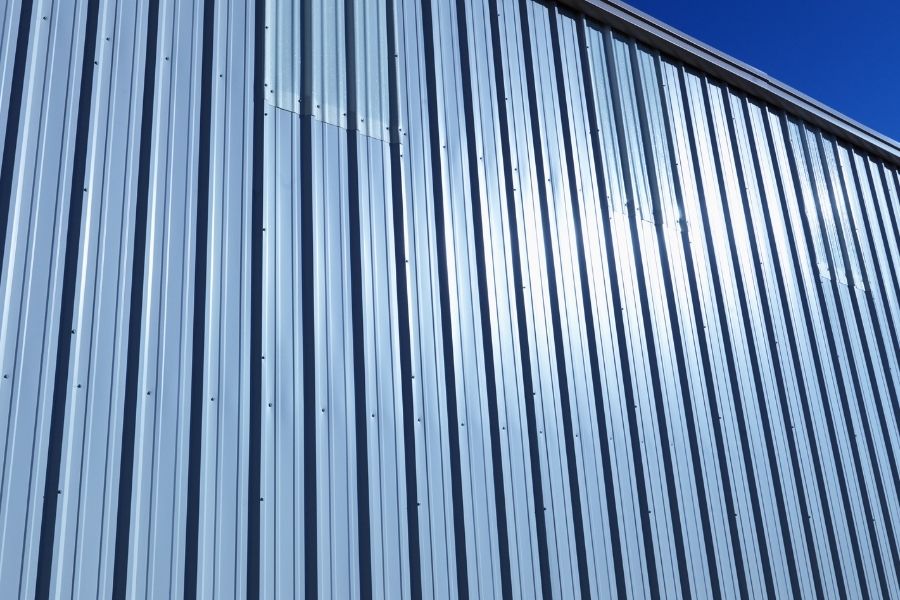
Yes. Metal reflects radiant heat effectively, reducing surface temperature absorption compared to darker materials.
It can dent, especially thinner aluminum panels. Steel siding typically offers higher impact resistance.
Properly installed systems can last 40–70 years depending on coating quality and maintenance.
With proper underlayment and insulation, noise levels are minimized.
Steel may rust if coatings are compromised. Aluminum naturally resists corrosion.
Upfront costs can be higher, but reduced maintenance and durability often offset long-term expenses.
Yes, localized siding repair is typically possible without full replacement.
Your siding is your home’s first defense against Texas weather — make sure it’s built to last. Call Barton Creek Siding Experts today or request your free consultation online to start your project.
Provide your name, phone number, and any specific service requirements.