
Stone veneer in Austin, TX is a decorative and structural cladding system designed to replicate the look of full-thickness masonry while reducing weight and installation complexity. Whether natural stone or manufactured stone veneer, this siding solution adds architectural depth and durability to homes and commercial buildings throughout Central Texas. In Austin’s climate—marked by extreme summer heat, UV exposure, heavy spring storms, humidity cycles, wind, and periodic hail—exterior materials must withstand both thermal stress and moisture management challenges. In neighborhoods like West Lake Hills and Dripping Springs, stone veneer is commonly used for full facades and accent walls that complement Hill Country and modern architectural styles. Barton Creek Siding Experts provides professionally installed stone veneer systems tailored to Austin soil conditions, structural movement, and long-term weather exposure.
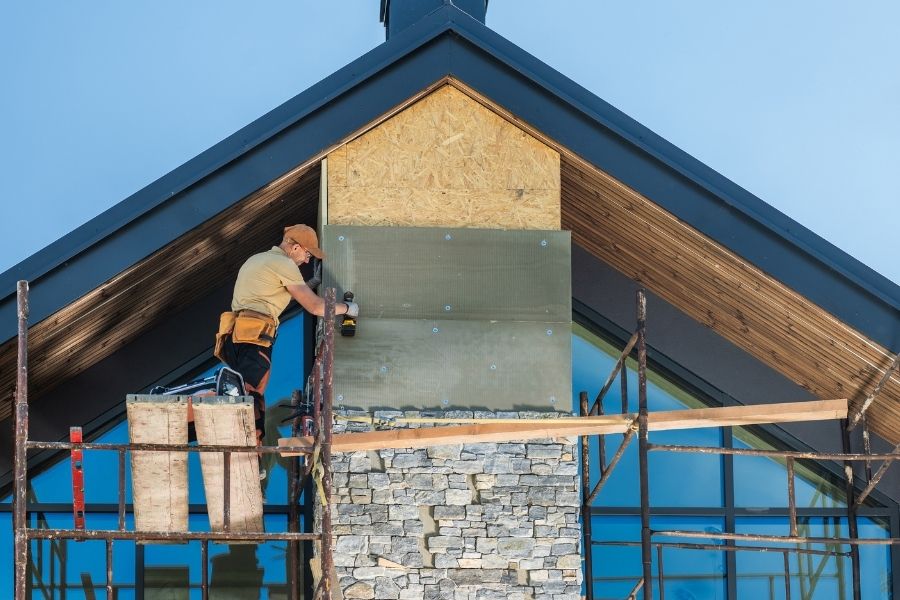
Stone veneer is a thin layer of natural or manufactured stone applied to exterior walls to create the appearance of solid masonry. Unlike full-bed stone, veneer is lighter and does not require the same foundational support, making it more versatile for residential and commercial construction.
There are two primary categories:
Natural Stone Veneer – Cut from real stone such as limestone, sandstone, or fieldstone.
Manufactured Stone Veneer – Also known as faux stone siding, this product is cast from concrete molds and colored to replicate natural stone textures.
Stone has long been part of Central Texas architecture. Native limestone is widely used throughout Austin, influencing modern builds and renovations alike. Today, stone veneer siding is popular for both full-exterior cladding and accent applications, including entryways, columns, fireplaces, and lower façade detailing.
Advantages include:
Strong visual impact
Fire resistance
Long lifespan when properly installed
Compatibility with diverse architectural styles
Limitations include:
Higher upfront installation cost
Sensitivity to improper moisture detailing
Potential cracking from foundation movement
Stone veneer works well across residential, commercial, and historic structures when properly engineered for local soil and climate conditions.
Austin properties face specific environmental pressures that influence siding performance.
The Mechanism
Much of Central Texas sits on expansive clay soil that shifts during drought and heavy rainfall cycles. Movement in the foundation can transmit stress to rigid exterior materials like stone veneer.
Symptoms
Hairline cracks in mortar joints
Separation at corners
Gaps between veneer and adjacent materials
Austin-Specific Factors
Extended droughts followed by heavy rainfall amplify soil expansion and contraction, especially in neighborhoods such as Pflugerville and Round Rock.
The Mechanism
Moisture that penetrates behind stone veneer can dissolve mineral salts in mortar. When water evaporates, white staining (efflorescence) appears on the surface.
Symptoms
White chalky deposits
Mortar deterioration
Loose or shifting stones
Austin-Specific Factors
Spring storms and humidity fluctuations increase moisture exposure, particularly on shaded elevations.
The Mechanism
Summer temperatures exceeding 100°F can affect mortar curing and long-term bond strength. Thermal expansion also stresses joints over time.
Symptoms
Mortar cracking
Joint separation
Minor surface fractures
Austin-Specific Factors
South- and west-facing walls in Lakeway and Bee Cave experience prolonged sun exposure, increasing thermal cycling.
The Mechanism
Improper flashing, missing weep holes, or inadequate wall ties can lead to trapped moisture and structural instability.
Symptoms
Bulging veneer
Water intrusion
Staining near openings
Austin-Specific Factors
Building code compliance and proper drainage detailing are essential due to intense seasonal rainfall.
Desire for Hill Country or contemporary architectural style
Need for durable, fire-resistant exterior
Accent enhancement around entryways or garages
Upgrading aging stucco or wood cladding
Post-storm cosmetic upgrades
Structural integrity suitable for veneer application
Renovating older homes in Central Austin
Seeking long-lasting siding replacement with high visual impact
Trustindex verifies that the original source of the review is Google. Austin's roofing contractors are known for their professionalism, timely service, and quality workmanship. Many offer free inspections and use durable materials suited for Texas weather.Trustindex verifies that the original source of the review is Google. Barton Creek Siding Experts did an amazing job—professional, detailed, and easy to work with!Google rating score: 5.0 of 5, based on 2 reviews
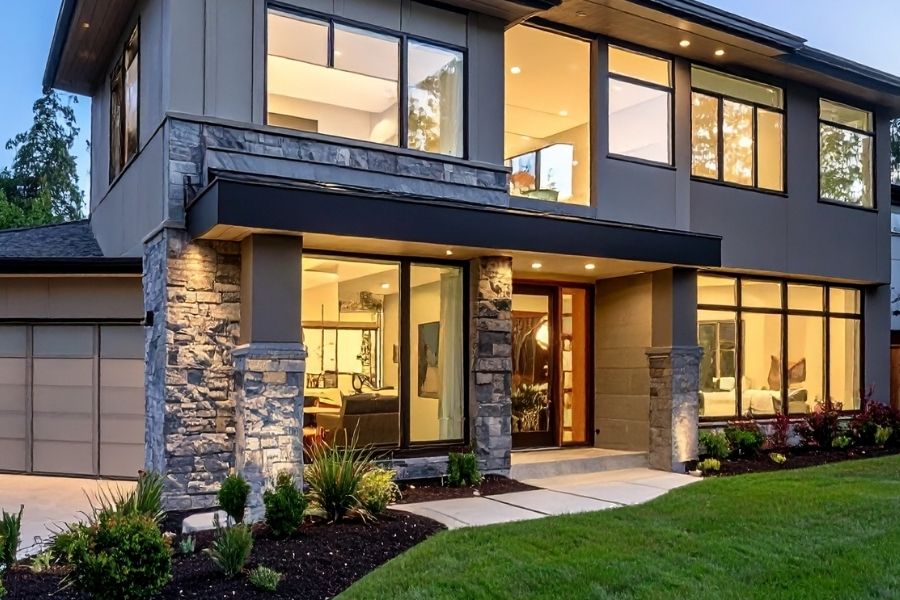
Proper installation determines longevity and moisture performance.
Structural Evaluation – Confirm substrate strength and foundation condition
Moisture Barrier Installation – House wrap and flashing systems
Metal Lath & Wall Ties – Secure mechanical anchoring
Scratch Coat Application – Bonding layer preparation
Stone Placement & Mortaring – Precision alignment and spacing
Joint Finishing & Sealing – Proper curing under climate-controlled timing
Final Inspection – Drainage, expansion joints, and code verification
Installation timelines typically range from 3–7 days depending on scope and design complexity.
Limestone Veneer – Popular for traditional Austin homes
Fieldstone Veneer – Rustic Hill Country aesthetic
Manufactured Stone Panels – Lightweight and cost-effective
Stacked Stone – Contemporary, clean-lined appearance
Full-Facade Applications – Entire exterior coverage
Accent Installations – Columns, wainscoting, entry features
Natural stone provides authenticity and higher durability, while manufactured stone veneer offers lower weight and reduced cost.
Stone veneer pricing varies based on material type and installation complexity.
Typical Cost Ranges:
$9–$18 per sq ft (material only)
$15–$30 per sq ft (installed)
Cost Drivers:
Natural vs manufactured stone
Surface preparation needs
Structural reinforcement
Design intricacy
Access and building height
Though higher upfront than some siding materials, stone veneer offers longevity and strong resale value.
Stone veneer is frequently installed in:
West Lake Hills – Luxury homes with full-stone facades
Dripping Springs – Hill Country architectural styles
Lakeway – High-end custom residences
Rollingwood – Modern accent integrations
Cedar Park – New builds and renovations
Each area presents unique exposure and soil considerations.
Inspect mortar joints annually
Clean efflorescence with approved solutions
Ensure drainage systems remain clear
Monitor foundation movement
Repair cracks promptly
Schedule inspections after severe storms
Though durable, veneer requires periodic evaluation to prevent moisture-related damage.
Austin homeowners and commercial property owners rely on experienced siding experts when installing rigid cladding systems like stone veneer. Barton Creek Siding Experts combines material knowledge with local soil and climate understanding to deliver professional siding services designed for long-term performance. Whether completing a full siding installation or integrating veneer into an exterior renovation, the team emphasizes proper moisture management and structural integrity.
If you’re considering wood siding or evaluating an existing exterior, a professional assessment can help you understand performance expectations, maintenance needs, and long-term value. Barton Creek Siding Experts offers free evaluations throughout the Austin area, helping property owners make informed decisions about wood exteriors with confidence—no pressure, just local expertise you can trust.
Yes, when properly installed with expansion considerations and high-quality mortar.
Natural stone is quarried and cut, while manufactured stone veneer is molded from concrete.
Properly installed systems can last 50+ years.
Yes, rigid materials can show cracking if significant soil movement occurs.
Stone veneer typically has higher upfront costs but long-term durability.
Yes, periodic inspections and joint maintenance are recommended.
Yes, localized siding repair is possible depending on the issue.
Your siding is your home’s first defense against Texas weather — make sure it’s built to last. Call Barton Creek Siding Experts today or request your free consultation online to start your project.
Provide your name, phone number, and any specific service requirements.