Understanding Composite Siding
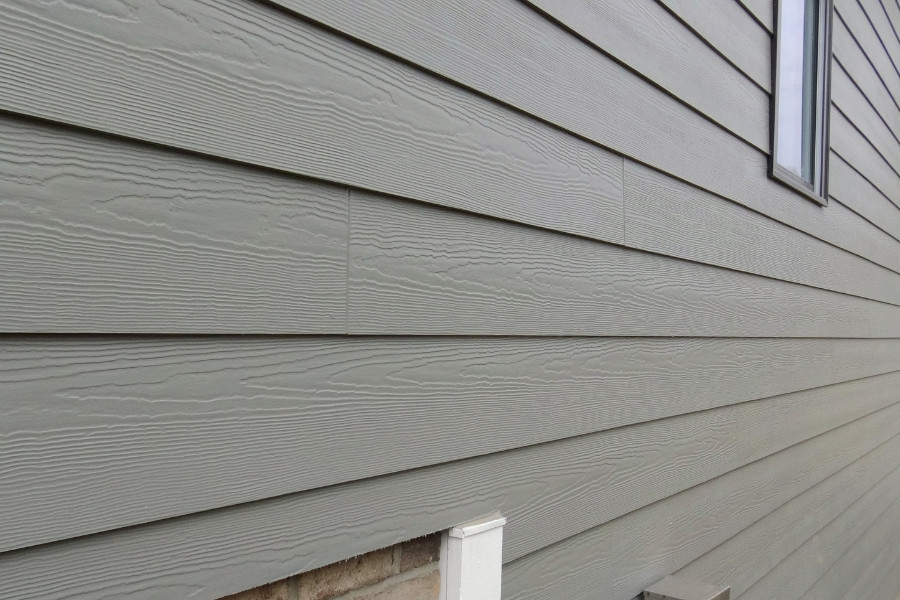
Composite siding is a manufactured exterior Siding Solution created by combining recycled wood fibers with synthetic resins and protective additives. Unlike natural wood, which can warp or rot, composite panels are engineered for dimensional stability. Compared to vinyl, they are typically thicker and more impact-resistant. Compared to fiber cement, they are lighter and often easier to cut and install.
The material gained popularity in the early 2000s as homeowners sought alternatives to traditional wood siding, particularly in regions with moisture or termite concerns. In Austin, composite siding became more common in the 2010s as newer developments in Bee Cave, Lakeway, and Pflugerville emphasized low-maintenance exterior finishes that still maintained a natural aesthetic. These modern Siding Materials allow homeowners to achieve the look of wood without the same long-term upkeep demands.
Composition and Performance Characteristics
Engineered wood fibers bonded with resins
Factory-applied protective coatings
Designed to resist cracking and splitting
More flexible than fiber cement
More impact-resistant than vinyl
Composite siding fits well with Austin’s blend of contemporary Hill Country homes, Craftsman-style properties in Rollingwood, and transitional suburban architecture in Leander and Cedar Park. When properly installed, it resists many common siding problems such as moisture intrusion and surface cracking. However, incorrect fastening or insufficient clearance can lead to expansion-related stress. Working with a trusted siding contractor ensures accurate installation techniques suited to Central Texas heat and seasonal humidity shifts.
How Composite Siding Performs in Austin Conditions
Austin’s environmental profile creates specific performance challenges:
Summer highs: 95–105°F
Surface wall temps: 130°F+ on west-facing elevations
Annual rainfall: ~34 inches
Frequent hail season (March–June)
Humidity swings between drought and storm cycles
Hail Impact Resistance
The Mechanism:
Spring storms in Travis and Williamson County frequently produce hail measuring 1–2 inches in diameter. In April 2021, severe hail impacted Round Rock and Cedar Park, causing widespread exterior damage.
Composite siding absorbs impact energy more effectively than vinyl and is less brittle than fiber cement. Its engineered density reduces cracking from hail strikes.
Symptoms After Storms:
Surface scuffing
Minor indentation
Coating abrasion
Homes in Round Rock and Pflugerville often face repeated hail exposure, making impact resistance a primary consideration.
Extreme Heat & UV Exposure
The Mechanism:
Austin’s high UV index accelerates fading and thermal expansion. Composite siding expands and contracts less than vinyl but still requires expansion allowances.
Improper fastening can restrict movement, causing stress fractures during 100°F+ days.
Symptoms:
Fading on south- and west-facing walls
Minor edge separation
Sealant degradation
Properties in Lakeway and The Hills—where western exposure is intense—require installation techniques that account for solar load.
Humidity & Moisture Cycling
The Mechanism:
Austin’s alternating drought and heavy rain cycles create repeated moisture absorption and drying. Composite siding resists swelling better than natural wood, but improper flashing can allow water intrusion.
Heavy thunderstorms in May and October frequently bring wind-driven rain.
Symptoms:
Staining near seams
Softened trim areas
Flashing failure points
Correct water management behind panels is critical for long-term performance.
Foundation Movement & Clay Soil Expansion
Austin’s expansive clay soils, especially in Buda and Kyle, expand during rainy seasons and shrink during drought. Minor structural shifts can stress rigid siding.
Composite siding offers more flexibility than fiber cement, reducing cracking risk in areas like Manchaca and Oak Hill where soil movement is common.
Signs Composite Siding May Be Right for Your Property
Aesthetic Needs
Desire for wood-like texture without ongoing staining
Fading or peeling existing exterior
Historic appearance without termite risk
Durability Concerns
Recent hail damage to vinyl
Termite activity in nearby structures
Repeated repainting costs
Performance Indicators
Warping from extreme sun exposure
Visible cracking in fiber cement
Moisture intrusion after storms
If your home experienced hail within the last few seasons or shows UV-related deterioration on western elevations, it may be time to evaluate composite siding as part of a broader siding replacement strategy.
How We Install Composite Siding in Austin, TX
1. Exterior Evaluation (1–2 Days)
We assess structural movement, moisture exposure, and prior storm damage.
2. Removal & Preparation
Old cladding is removed. Damaged sheathing is addressed before new siding installation begins.
3. Moisture Barrier Installation
Weather-resistant barriers are applied to protect against Austin’s spring thunderstorms.
4. Expansion Gap Calibration
We account for temperature swings of 40–50°F daily, leaving appropriate expansion allowances.
5. Panel Installation (2–4 Days)
Fastening systems allow controlled movement while maintaining structural integrity.
6. Flashing & Trim Detailing
Proper flashing prevents wind-driven rain infiltration common during severe thunderstorms.
7. Final Inspection
Alignment, ventilation, and secure fastening are verified.
Typical project timeline: 3–7 days, depending on property size and complexity.
Composite Siding Styles, Profiles, and Applications
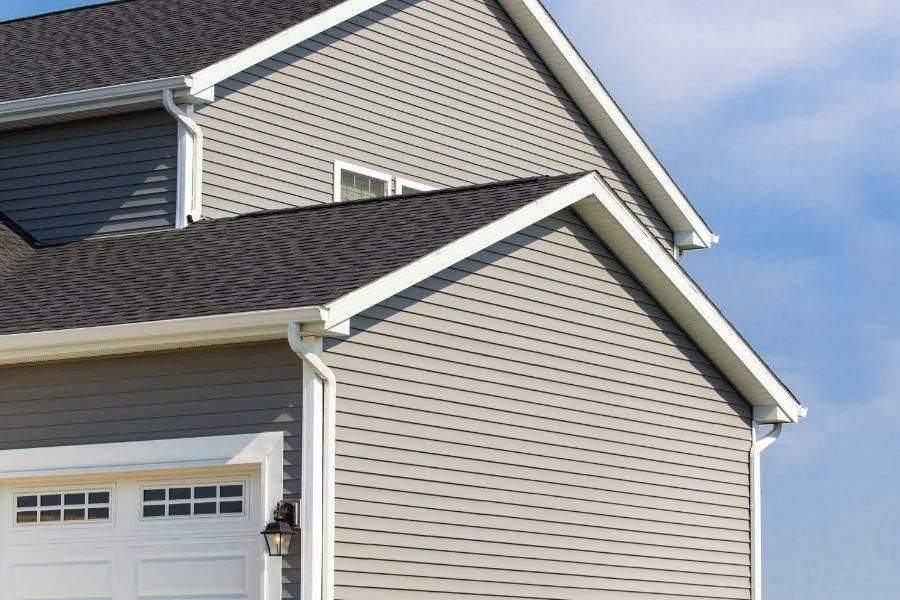
Lap Siding
Traditional horizontal boards suited for suburban neighborhoods like Cedar Park.
Vertical Panel Systems
Used in modern builds and commercial properties.
Shingle-Style Panels
Ideal for accent areas in historic or Craftsman-style homes in Rollingwood.
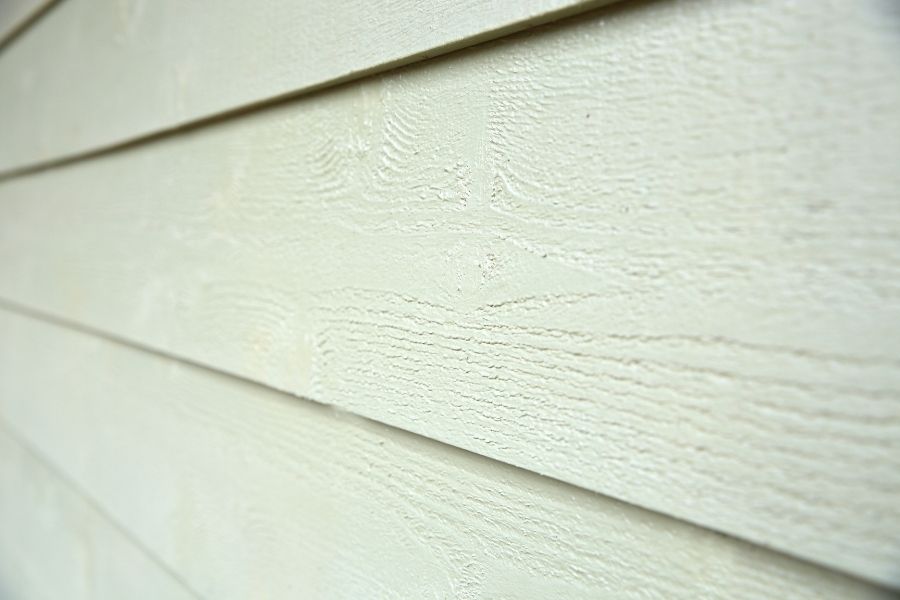
Textured Wood-Grain Finishes
Popular for Hill Country homes in Dripping Springs and Lakeway.
Each style offers different price points and maintenance profiles.