Durable, energy-efficient siding solutions designed for Austin’s climate and architecture.
Siding Styles in Austin, TX
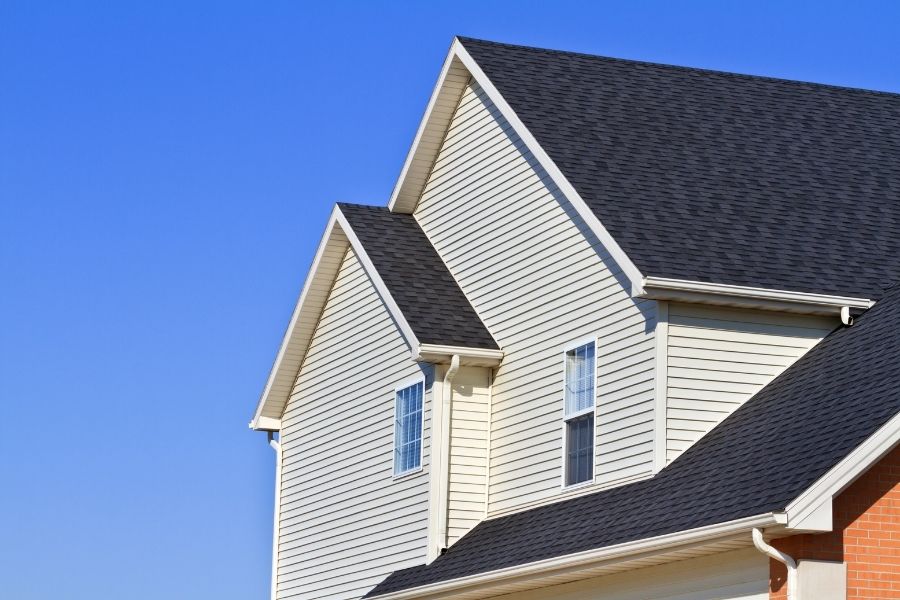
Siding styles in Austin, TX play a major role in defining a home’s architectural identity, curb appeal, and long-term performance. While siding materials determine durability and maintenance requirements, siding styles influence how a home looks, sheds water, handles sun exposure, and fits within neighborhood design standards. In Austin’s climate—marked by extreme summer heat, high UV exposure, seasonal hailstorms, humidity cycles, and strong winds—style selection is not purely aesthetic. Profile orientation, joint spacing, and panel layout all affect expansion, drainage, and long-term wear. In neighborhoods like West Lake Hills and Bee Cave, architectural guidelines and HOA requirements often shape which exterior siding styles are most appropriate. Barton Creek Siding Experts works with homeowners across Central Texas to select siding styles that complement architecture while accounting for local climate and performance demands.
What Are Siding Styles in Austin, TX?
Siding styles refer to the profile, orientation, and visual layout of exterior cladding—not the material itself. For example, lap siding and board and batten can both be installed using fiber cement, engineered wood, metal, or other siding materials.
Key distinctions between siding styles include:
Horizontal vs vertical orientation
Wide panels vs narrow boards
Flat vs textured surfaces
Modern vs traditional detailing
Historically, Austin homes featured traditional lap siding and stone combinations. In recent years, contemporary builds in Rollingwood and Lakeway have incorporated vertical siding and modern mixed-material façades.
HOA standards, solar exposure, and building codes also influence siding style selection. For example, vertical siding may shed water differently than horizontal lap profiles, making detailing critical in high-rainfall periods.
Most Popular Siding Styles in Austin, TX
Board and Batten Siding
Design Characteristics:
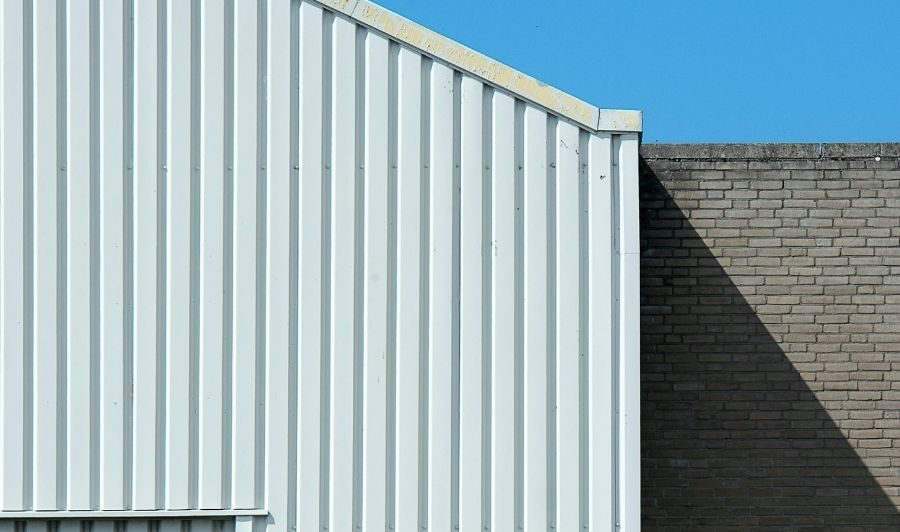
Vertical wide boards with narrow battens covering seams.
Best Applications:
Farmhouse, Hill Country, and transitional homes.
Austin Considerations:
Popular in Dripping Springs and Bee Cave. Vertical orientation helps with water runoff during heavy storms.
Lap Siding
Design Characteristics:
Horizontal overlapping boards creating shadow lines.
Best Applications:
Traditional suburban homes and historic properties.
Austin Considerations:
Common in Cedar Park and Round Rock. Requires proper expansion spacing in high heat.
Shiplap Siding
Design Characteristics:
Tight horizontal joints with a rabbeted edge.
Best Applications:
Modern farmhouse and contemporary exteriors.
Austin Considerations:
Clean lines suit new builds in Lakeway and West Lake Hills.
Vertical Siding
Design Characteristics:
Continuous vertical panels without battens.
Best Applications:
Modern and minimalist architecture.
Austin Considerations:
Performs well in areas with heavy rain when properly flashed.
Shake Siding
Design Characteristics:
Textured, staggered shingle appearance.
Best Applications:
Accent walls and gables.
Austin Considerations:
Often used sparingly due to heat exposure on south-facing walls.
Clapboard Siding
Design Characteristics:
Traditional horizontal boards with consistent overlap.
Best Applications:
Colonial-inspired and historic renovations.
Austin Considerations:
Used in older central Austin neighborhoods.
Dutch Lap Siding
Design Characteristics:
Decorative groove along the top edge creating deep shadow lines.
Best Applications:
Suburban residential homes.
Austin Considerations:
Adds dimension while maintaining horizontal layout.
Panel Siding
Design Characteristics:
Large flat or textured sheets.
Best Applications:
Contemporary builds and light commercial properties.
Austin Considerations:
Requires careful seam detailing to handle heat expansion.
Tongue and Groove Siding
Design Characteristics:
Interlocking boards with tight seams.
Best Applications:
Porch ceilings and accent façades.
Austin Considerations:
Often used for shaded applications.
Modern Siding
Design Characteristics:
Mixed materials, clean lines, vertical emphasis.
Best Applications:
Custom architectural homes.
Austin Considerations:
Common in West Lake Hills and Rollingwood luxury builds.
How Siding Style Impacts Durability in Austin, TX
Vertical styles often allow faster water drainage during storms, while horizontal styles rely on proper overlap for moisture management. In Austin’s intense sun, wide flat panels may show expansion movement more visibly than segmented profiles.
Hail impact may be more noticeable on flat modern panel siding than on textured shake profiles. Orientation and seam placement significantly influence long-term durability.
Installation Differences Between Siding Styles
Some siding styles require more detailing than others:
-
Board and Batten: Extra trim labor
-
Lap & Clapboard: Standardized installation timeline
-
Panel Siding: Precise seam alignment
-
Shake: High-detail installation
Installation timelines typically range from 3–7 days depending on style complexity and home size.
Choosing the Right Siding Style for Your Home
-
1-Story Ranch: Lap or Dutch lap for traditional appearance
-
2-Story Suburban: Board and batten or clapboard
-
Modern Custom Build: Vertical or panel siding
-
Historic Home: Traditional lap or clapboard
-
Commercial Property: Panel or modern mixed façade
Style must align with rooflines, window proportions, and neighborhood standards.
Maintenance Considerations by Siding Style in Austin
-
Horizontal styles require seam inspection
-
Vertical profiles require bottom-edge clearance
-
Shake accents may trap debris
-
Panel systems need joint inspection after storms
-
Repainting cycles vary by material
Regular inspections reduce long-term siding repair needs.
Siding Style Trends in Austin
-
West Lake Hills: Modern and vertical emphasis
-
Bee Cave: Board and batten popularity
-
Cedar Park: Traditional lap siding
-
Dripping Springs: Farmhouse-inspired styles
-
Rollingwood: Contemporary mixed exteriors
Style trends often reflect architectural growth patterns in each community.
How to Select the Best Siding Style in Austin, TX
When selecting a style, consider:
-
Architectural compatibility
-
Sun orientation
-
HOA requirements
-
Long-term maintenance expectations
-
Budget and installation complexity
Consultation helps ensure the style enhances both design and durability.
Why Austin Property Owners Trust Barton Creek Siding Experts
Austin homeowners rely on experienced siding experts for guidance on both aesthetics and performance. Barton Creek Siding Experts provides professional siding services ranging from consultation to full siding installation projects. Whether planning an upgrade or a complete siding replacement, the team evaluates architectural compatibility and climate exposure to recommend appropriate styles.
What Our Customers Are Saying
Our reputation is built on referrals and repeat customers who trust our quality and professionalism.
Trustindex verifies that the original source of the review is Google. Austin's roofing contractors are known for their professionalism, timely service, and quality workmanship. Many offer free inspections and use durable materials suited for Texas weather.Trustindex verifies that the original source of the review is Google. Barton Creek Siding Experts did an amazing job—professional, detailed, and easy to work with!Google rating score: 5.0 of 5, based on 2 reviews
Siding Materials FAQ – Austin, TX
What is the best siding material for homes in Austin, TX?
There isn’t a single “best” siding material for every Austin home, but fiber cement and James Hardie® siding consistently perform the strongest in Central Texas. Austin’s prolonged heat, high UV exposure, and seasonal moisture cause many materials to expand, fade, or deteriorate prematurely. Fiber cement and climate-engineered products are designed to resist these conditions, making them a top choice for long-term durability. Vinyl, engineered wood, and metal siding can also perform well when properly selected and installed for Austin’s climate.
How does Austin’s heat affect siding materials over time?
Austin regularly experiences extended periods above 95°F, which accelerates material expansion, UV degradation, and color fading. Lower-grade vinyl can warp, wood can dry out and crack, and improperly installed siding can loosen over time. Materials designed for heat cycling—such as fiber cement, composite siding, and steel—maintain their structural integrity far longer when installed correctly with proper spacing and ventilation.
Is vinyl siding a good option for Austin homes?
Vinyl siding can work well in Austin when high-quality, heat-resistant products are used. Budget vinyl products are more prone to warping and fading under intense Texas sun. Proper installation is critical, including expansion gaps and reinforced fastening methods. Vinyl siding is most commonly used in suburban neighborhoods, rental properties, and projects where affordability and low maintenance are priorities.
Does fiber cement siding handle moisture and humidity better than wood?
Yes. Fiber cement siding is far more resistant to moisture absorption than traditional wood siding. Austin’s seasonal rains and humidity can cause untreated wood to swell, rot, or grow mold over time. Fiber cement does not rot, warp, or attract insects, making it a much lower-maintenance and longer-lasting solution for Central Texas conditions.
Is James Hardie siding worth the higher cost in Austin?
For many homeowners, yes. James Hardie siding is engineered specifically for hot, humid climates like Austin’s and is designed to withstand intense sun exposure, temperature swings, and moisture cycling. While the upfront cost may be higher than vinyl or basic wood siding, the longer lifespan, reduced maintenance, and strong resale value often make it a cost-effective long-term investment.
Your siding is your home’s first defense against Texas weather — make sure it’s built to last. Call Barton Creek Siding Experts today or request your free consultation online to start your project.