Lap siding in Austin, TX is one of the most widely used horizontal siding styles for residential and light commercial properties. Defined by overlapping horizontal boards that create layered shadow lines, lap siding delivers a timeless appearance that fits both traditional and transitional architecture. In Central Texas, where extreme heat, UV exposure, hailstorms, humidity cycles, and wind events stress exterior cladding, horizontal siding must be installed with careful expansion spacing and moisture detailing. Across neighborhoods like Cedar Park and Round Rock, lap siding remains a staple for suburban homes, while historic districts in central Austin often feature traditional horizontal siding profiles. Barton Creek Siding Experts installs and evaluates lap siding systems throughout the region, tailoring installation methods to Austin’s climate and architectural demands.
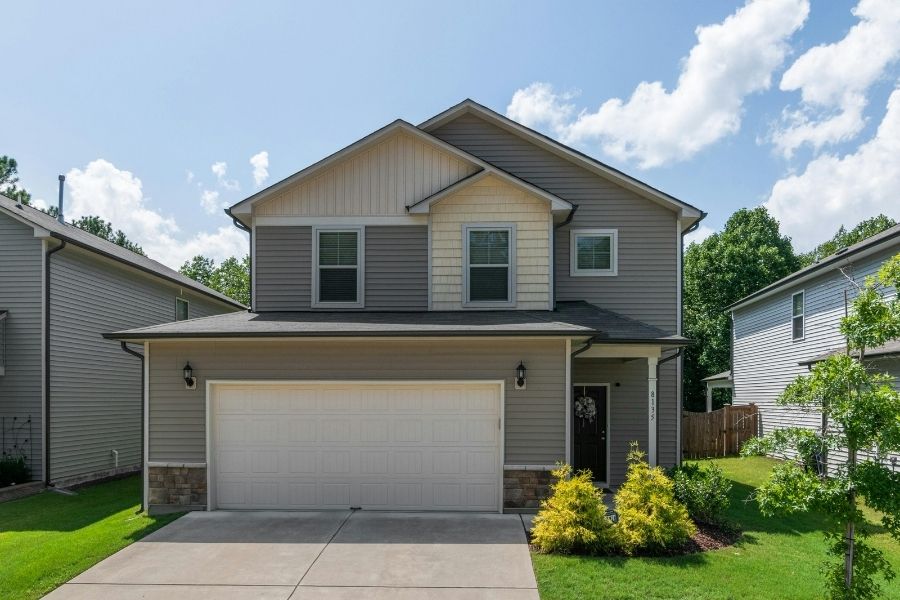
Lap siding is a horizontal siding style where each board overlaps the one below it. This layered configuration creates depth and visual rhythm while directing water downward away from the structure.
Horizontal board orientation
Consistent overlap spacing
Visible shadow lines
Clean, linear aesthetic
Lap siding is sometimes referred to broadly as horizontal siding, but the term “lap” specifically describes the overlapping installation method.
Lap siding refers to the profile, not the material. It can be manufactured from:
Fiber cement (including Hardie plank configurations)
Engineered wood
Natural cedar
Vinyl
Metal
In Austin, fiber cement and engineered wood lap siding are especially common due to their resistance to UV degradation and dimensional stability.
Traditional suburban homes in Pflugerville
Historic properties in central Austin
Craftsman-style homes in Hyde Park
Transitional homes in Leander and Cedar Park
Lap siding complements a wide range of architectural styles because of its versatility and classic proportions.
The Mechanism:
Austin summers regularly exceed 100°F. Horizontal boards expand across their length under prolonged sun exposure.
Performance Outcome:
Improper fastening can restrict movement, leading to bowing or cracking.
Austin-Specific Factors:
West-facing walls in Bee Cave and Lakeway experience intense afternoon heat, increasing expansion stress.
The Mechanism:
The overlapping design of horizontal siding helps shed water efficiently when properly installed.
Symptoms of Poor Installation:
Moisture intrusion behind boards
Bottom-edge swelling
Paint blistering
Local Impact:
Spring storms and sudden downpours require proper flashing and drainage planes to prevent trapped moisture.
The Mechanism:
Hail impacts are distributed along overlapping boards, but flat profiles may still show visible damage.
Symptoms:
Cracks along board edges
Fastener loosening
Trim separation
Neighborhood Exposure:
Open terrain in Dripping Springs may experience higher wind loads than dense urban areas.
The Mechanism:
Horizontal joints must be staggered to maintain structural integrity and visual consistency.
Symptoms:
Misaligned seams
Sealant failure
Uneven shadow lines
Proper detailing reduces long-term siding repair issues and maintains aesthetic uniformity.
Lap siding works well if:
You prefer a classic, timeless exterior
Your home features traditional architecture
HOA guidelines favor conservative design
You want a style compatible with multiple siding materials
You plan a full siding replacement
You value balanced proportions and shadow lines
You want versatile color options
You’re updating an older home exterior
Our reputation is built on referrals and repeat customers who trust our quality and professionalism.
Trustindex verifies that the original source of the review is Google. Austin's roofing contractors are known for their professionalism, timely service, and quality workmanship. Many offer free inspections and use durable materials suited for Texas weather.Trustindex verifies that the original source of the review is Google. Barton Creek Siding Experts did an amazing job—professional, detailed, and easy to work with!Google rating score: 5.0 of 5, based on 2 reviews
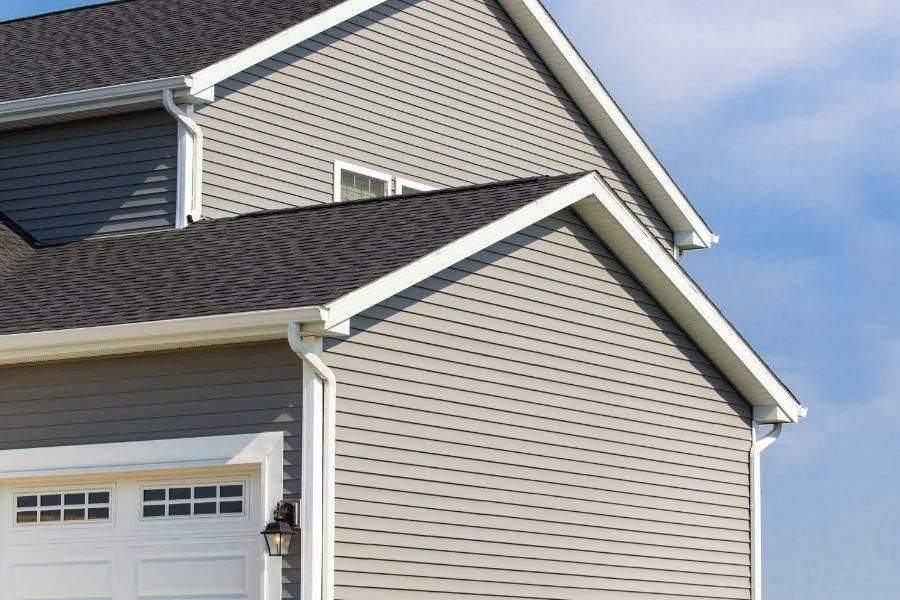
A professional lap siding installation includes:
Assess sheathing and moisture barrier integrity.
Careful removal of existing cladding.
House wrap and flashing designed for heavy Texas rains.
Ensures level installation.
Boards installed with consistent overlap and expansion spacing.
Precision finishing to prevent water intrusion.
Most projects take 3–7 days, depending on home size and complexity.
Permitting and HOA approvals are verified prior to beginning siding installation.
Narrow board width
Classic shadow lines
Best for historic and craftsman homes
Broader boards
Cleaner contemporary look
Popular in Rollingwood and West Lake Hills
Fiber cement durability
Resistant to heat and hail
Natural wood appearance
Requires more maintenance in humid conditions
Each variation affects cost, detailing, and long-term maintenance requirements.
Average installed cost ranges:
Vinyl horizontal siding: $6–$12 per sq ft
Fiber cement lap siding: $9–$18 per sq ft
Engineered wood: $9–$17 per sq ft
Cedar lap siding: $12–$22 per sq ft
Cost factors include:
Home height
Trim complexity
Material selection
Removal of old cladding
Accessibility
Horizontal siding generally requires less trim labor than board and batten, making it moderately priced in comparison.
Cedar Park: Traditional suburban builds
Round Rock: Craftsman-inspired homes
Leander: Growing communities with mixed architectural styles
Lakeway: Transitional luxury homes
Pflugerville: Established residential neighborhoods
Lap siding remains one of the most versatile exterior siding styles across Austin communities.
Inspect seams annually
Repaint fiber cement or wood as needed
Check caulk joints after hail season
Maintain proper ground clearance
Clean periodically to remove dirt and UV buildup
Maintenance requirements vary depending on material choice.
Austin homeowners trust experienced siding experts who understand how horizontal siding behaves in extreme Texas heat and seasonal storms. Barton Creek Siding Experts provides comprehensive siding services, including design consultation, siding installation, siding repair, and full siding replacement solutions. With experience across residential, commercial, and historic properties, the team ensures each lap siding project balances architectural style with structural durability.
If you’re considering lap siding in Austin, TX, selecting the right horizontal siding profile and material is essential for long-term durability and curb appeal. Barton Creek Siding Experts offers free consultations throughout Austin and surrounding communities, helping homeowners choose siding styles that enhance architectural character while standing up to Central Texas conditions.
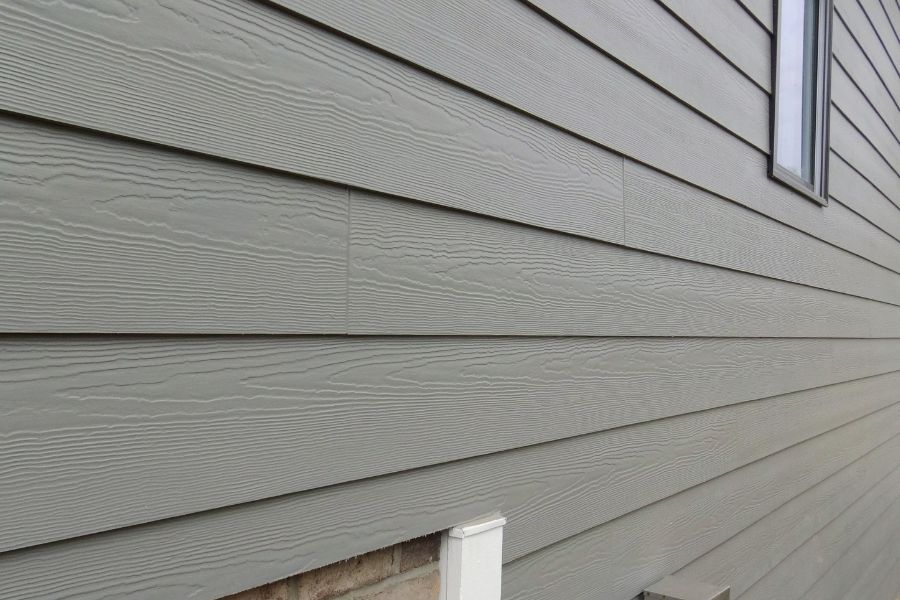
Yes, when installed with proper expansion allowances and moisture barriers.
Typically, it requires less trim work, which can reduce labor costs.
Lifespan depends on material—fiber cement can exceed 30 years with proper maintenance.
Performance depends on material type and thickness.
Yes, mixed-style façades are common in Austin.
Most homes require 3–7 days.
Yes, it is widely accepted across most Austin communities.
Your siding is your home’s first defense against Texas weather — make sure it’s built to last. Call Barton Creek Siding Experts today or request your free consultation online to start your project.
Provide your name, phone number, and any specific service requirements.