
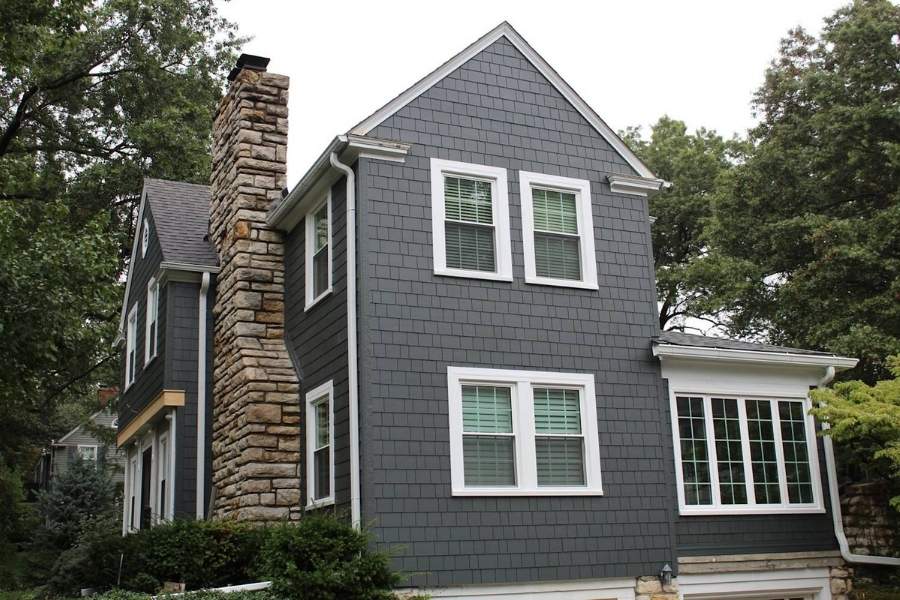
Shake siding in Austin, TX is a textured exterior siding style inspired by traditional cedar shingles used on historic homes and coastal architecture. Characterized by staggered, rough-cut pieces that create natural depth and shadow, shake siding adds visual character and architectural interest to both traditional and modern homes. In Central Texas, where extreme heat, intense UV exposure, hailstorms, humidity cycles, and seasonal winds affect exterior materials, shake siding is often used as an accent feature rather than a full façade. Across neighborhoods like West Lake Hills and Lakeway, cedar shake siding is commonly installed on gables, dormers, and upper walls to create contrast with stone veneer, vertical siding, or horizontal lap siding. Barton Creek Siding Experts installs shake siding systems throughout the Austin area, helping homeowners select materials and installation methods that balance visual appeal with long-term durability.
Shake siding is a decorative siding style made of small overlapping pieces, traditionally crafted from split cedar. The uneven texture creates natural variation that enhances architectural depth.
Staggered shingle-style pieces
Rough-cut or hand-split appearance
Deep shadow lines
Textured exterior surface
Shake siding is sometimes confused with shingle siding, but shakes are typically thicker and more irregular in appearance.
Shake siding describes the profile and layout, not the specific material. It can be manufactured using several siding materials including:
Natural cedar shake siding
Fiber cement shake panels
Engineered wood shakes
Vinyl shake siding
In Austin, fiber cement and engineered shake siding are often preferred because they require less maintenance than natural cedar while offering improved resistance to heat and UV exposure.
Shake siding frequently appears on:
Craftsman-style homes in central Austin
Hill Country homes in Dripping Springs
Luxury custom homes in West Lake Hills
Transitional suburban homes in Cedar Park
The textured look of shake siding works well when used alongside other siding materials to add architectural variety.
The Mechanism:
Austin summers bring intense UV radiation and temperatures above 100°F. Natural wood shakes may dry out or crack if not properly sealed.
Performance Outcome:
Fiber cement or engineered shake siding tends to perform better under prolonged sun exposure.
Austin-Specific Factors:
South-facing walls in Bee Cave and Lakeway experience the strongest sunlight.
The Mechanism:
Although Austin is not as humid as coastal Texas, seasonal humidity can affect natural wood siding.
Symptoms
Wood swelling
Surface cracking
Mold or mildew growth
Local Conditions
Spring rains and humidity fluctuations can accelerate wear on untreated wood shakes.
The Mechanism:
Hailstorms can damage individual shakes or panels depending on the material used.
Symptoms
Cracked shingles
Loose or missing pieces
Surface dents in synthetic materials
Hill Country areas such as Dripping Springs may experience stronger storm impacts.
The Mechanism:
Shake siding must be carefully layered to maintain consistent spacing and proper drainage.
Symptoms of Poor Installation
Uneven shingle spacing
Water infiltration behind panels
Trim gaps
Proper detailing reduces the likelihood of future siding repair needs.
Shake siding is often chosen when homeowners want:
A textured, dimensional exterior appearance
Craftsman or cottage-inspired architecture
Decorative gable accents
A natural wood aesthetic
A contrast element combined with lap or vertical siding
A distinctive architectural focal point
A full siding replacement with mixed materials
Because of its visual character, shake siding is often installed on accent areas rather than entire walls.
Our reputation is built on referrals and repeat customers who trust our quality and professionalism.
Trustindex verifies that the original source of the review is Google. Austin's roofing contractors are known for their professionalism, timely service, and quality workmanship. Many offer free inspections and use durable materials suited for Texas weather.Trustindex verifies that the original source of the review is Google. Barton Creek Siding Experts did an amazing job—professional, detailed, and easy to work with!Google rating score: 5.0 of 5, based on 2 reviews
Installing shake siding requires careful detailing to ensure long-term performance.
Evaluate sheathing and moisture barrier integrity.
Old siding is removed if part of a renovation.
House wrap and flashing protect against water intrusion.
Ensures level alignment of the first row.
Pieces are layered with precise spacing to maintain the desired pattern.
Proper flashing prevents moisture infiltration.
Most installations require 3–7 days, depending on the size of the project and whether shake siding is used as a full façade or accent.
Permits and HOA requirements are reviewed before beginning siding installation.
Natural wood appearance
Highly textured surface
Requires regular sealing or staining
Durable and low maintenance
Resistant to heat and hail
Wood-like appearance with improved durability
Lighter weight than fiber cement
Lightweight and affordable
Lower maintenance requirements
Each option affects the cost, longevity, and maintenance needs of the exterior.
Average installed costs vary depending on the siding material:
Vinyl shake siding: $8–$13 per sq ft
Fiber cement shake siding: $10–$20 per sq ft
Engineered wood shakes: $9–$18 per sq ft
Natural cedar shake siding: $14–$25 per sq ft
Cost factors include:
Accent vs full façade installation
Material choice
Trim detailing
Removal of existing siding
Accessibility
Because shake siding requires careful spacing and alignment, installation labor may be higher than simple panel siding.
Shake siding appears across several Austin communities:
West Lake Hills: Luxury homes with mixed materials
Dripping Springs: Hill Country architecture
Lakeway: Transitional suburban homes
Cedar Park: Craftsman-inspired properties
Bee Cave: Modern farmhouse designs
These neighborhoods often combine shake siding with stone veneer or horizontal siding styles.
Maintenance needs depend on the siding material used.
Recommended upkeep includes:
Inspect shakes annually for cracks or loose pieces
Clean surfaces to remove dust and pollen
Refinish cedar shakes as needed
Check trim joints after storms
Maintain adequate ground clearance
Proper maintenance helps extend the lifespan of shake siding systems.
Austin homeowners rely on experienced siding experts who understand how different siding styles perform under Central Texas climate conditions. Barton Creek Siding Experts provides comprehensive siding services including consultation, siding installation, siding repair, and complete siding replacement. With experience working on residential, commercial, and historic buildings, the company helps homeowners select exterior siding materials and styles designed for long-term durability and architectural appeal.
If you are considering shake siding in Austin, TX, professional guidance can help determine whether the style fits your home’s architecture and climate exposure. Barton Creek Siding Experts offers consultations throughout Austin and nearby communities, helping homeowners select siding styles and materials that combine distinctive design with long-term performance.
It can work well when properly sealed, though fiber cement alternatives often require less maintenance.
It is commonly used as an accent on gables or upper walls rather than the entire façade.
Fiber cement shake siding can last 30 years or more with proper care.
Costs vary depending on material, but natural cedar tends to be the most expensive option.
Fiber cement and engineered versions perform better than natural wood in hailstorms.
Your siding is your home’s first defense against Texas weather — make sure it’s built to last. Call Barton Creek Siding Experts today or request your free consultation online to start your project.
Provide your name, phone number, and any specific service requirements.