Tongue and groove siding in Austin, TX is a siding style known for its tightly interlocking boards that connect through a tongue-and-groove joint system. Each board features a protruding “tongue” on one side and a matching groove on the other, allowing the pieces to fit together securely and create a smooth, uniform exterior surface. In Austin, where extreme heat, UV exposure, seasonal humidity, wind, and hail can impact building exteriors, this siding style offers both visual appeal and structural stability when installed correctly. Tongue and groove siding is commonly used on modern homes, rustic Hill Country designs, and certain historic architectural styles across Central Texas. Homes in neighborhoods like Dripping Springs and West Lake Hills often incorporate tongue and groove siding to create a natural wood appearance that complements surrounding landscapes. Barton Creek Siding Experts installs and evaluates this siding style across Austin, helping property owners select siding designs that combine architectural character with long-term durability in the Texas climate.
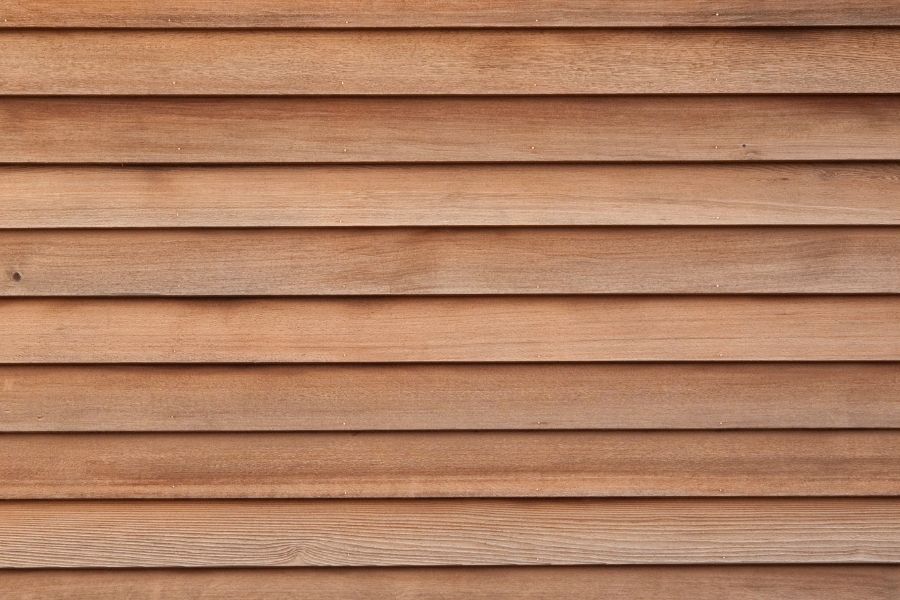
Tongue and groove siding is a precision-milled siding system where boards interlock to create a continuous exterior surface. Unlike overlapping siding styles such as lap siding or dutch lap siding, tongue and groove boards fit tightly together along their edges.
The defining feature of tongue and groove siding is the interlocking joint between boards. When installed, the boards appear tightly aligned, creating a clean and uniform façade. The boards may be installed:
Horizontally for a classic siding appearance
Vertically for modern or rustic designs
Diagonally in some custom architectural applications
Because the joints lock together, the siding creates a consistent pattern with minimal visible gaps.
Compared to other exterior siding styles:
Lap siding overlaps boards to shed water
Board and batten siding uses wide boards with vertical battens
Panel siding uses large sheets rather than individual boards
Tongue and groove siding creates a smooth, continuous appearance while still using individual boards.
Historically, tongue and groove siding has been used in:
Early American homes
Farmhouses
Rustic cabins
Craftsman-style architecture
In the Austin area, the style is commonly seen on Hill Country homes, rustic modern designs, and custom residential projects.
This siding style works well for:
Contemporary homes
Modern farmhouse designs
Mountain-style architecture
Custom residential builds
Because of its clean lines and tight seams, it is often selected as a refined siding solution, allowing homeowners to compare durable siding materials, evaluate overall siding cost, and collaborate with a trusted siding contractor to ensure precise installation suited to Austin’s climate conditions.
Austin’s climate plays an important role in how siding performs. Temperature swings, intense sun exposure, and seasonal storms create stress on exterior building materials.
The Mechanism
Because tongue and groove siding boards fit tightly together, they rely on careful installation and moisture barriers to prevent water infiltration.
Symptoms
Improper installation may cause:
Water intrusion behind boards
Mold growth behind siding
Wood swelling or warping
Austin-Specific Factors
Spring storms in Austin can produce heavy rainfall in short periods, making proper flashing and drainage critical.
The Mechanism
Austin summers frequently exceed 100°F. Wood and engineered siding materials expand and contract under these temperature conditions.
Symptoms
Signs of expansion stress include:
Visible seam movement
Board warping
Small gaps appearing between boards
Austin-Specific Factors
Homes with direct sun exposure—especially in open areas like Bee Cave or Lakeway—experience stronger heat cycles.
The Mechanism
Severe Texas storms may produce hail and strong winds that impact siding surfaces.
Symptoms
Possible signs include:
Surface dents
Impact marks
Fastener stress
While tongue and groove siding can be durable, proper fastening and material selection help minimize storm damage.
The Mechanism
The interlocking design distributes structural pressure across boards.
Symptoms
If installed incorrectly, homeowners may notice:
Cracked seams
Trim separation
Sealant failure
Professional installation helps prevent these structural issues.
This siding style may be ideal if your property shows several of these characteristics:
You prefer clean architectural lines
Your home features modern or rustic design elements
You want a smooth, uniform siding surface
You are planning a full siding replacement project
HOA guidelines encourage traditional materials
Your home design incorporates natural textures
You want a siding style compatible with wood or engineered materials
You are renovating a farmhouse or craftsman-style home
Your property has large exterior wall surfaces
A professional siding evaluation can help determine if tongue and groove siding fits your home’s structure and style.
Installing this siding style requires careful alignment and structural preparation.
Existing siding, structural framing, and moisture barriers are inspected.
Older siding materials may be removed if a full siding replacement is required.
Weather-resistant barriers protect the building envelope from moisture intrusion.
Support framing and wall sheathing are prepared to support the siding boards.
Tongue and groove boards are installed with precise alignment and spacing.
Trim pieces, flashing, and sealant help protect seams and edges.
The entire exterior is reviewed to ensure structural integrity and proper alignment.
Most siding installation projects typically take three to seven days, depending on building size and architectural complexity.
Our reputation is built on referrals and repeat customers who trust our quality and professionalism.
Trustindex verifies that the original source of the review is Google. Austin's roofing contractors are known for their professionalism, timely service, and quality workmanship. Many offer free inspections and use durable materials suited for Texas weather.Trustindex verifies that the original source of the review is Google. Barton Creek Siding Experts did an amazing job—professional, detailed, and easy to work with!Google rating score: 5.0 of 5, based on 2 reviews
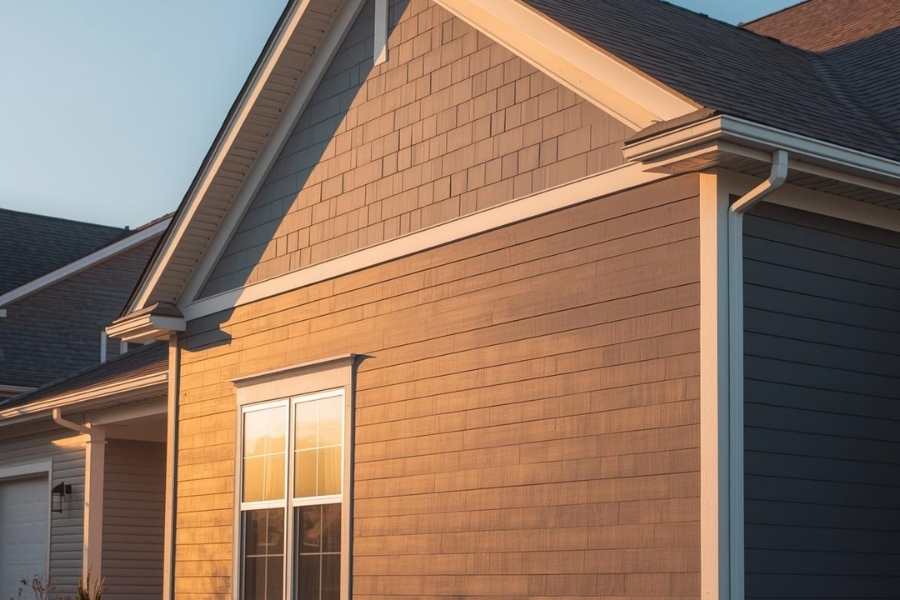
Several design variations allow homeowners to customize the appearance of their exterior.
Creates a traditional siding appearance with strong horizontal lines.
Provides a modern look with vertical emphasis.
Larger boards create a bold architectural statement.
Narrow boards create more detailed texture and pattern.
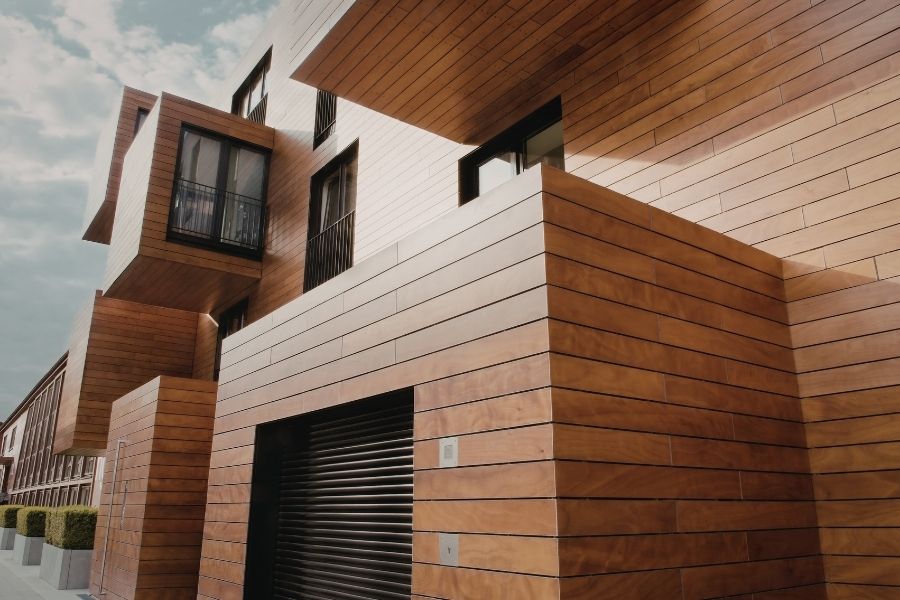
Tongue and groove siding may be combined with:
Stone veneer
Metal siding
Panel siding
This approach creates visual contrast in contemporary architecture.
Installation costs vary depending on material type and project complexity.
Typical cost ranges include:
Wood tongue and groove siding: $12–$20 per sq ft installed
Engineered wood options: $10–$18 per sq ft installed
Fiber cement versions: $11–$19 per sq ft installed
Factors affecting price include:
Board size and spacing
Architectural complexity
Removal of existing siding
Labor requirements
Trim and finishing details
Custom architectural designs may increase installation complexity and cost.
This siding style appears across many Austin-area communities.
Examples include:
West Lake Hills
Luxury homes and modern architecture often incorporate natural siding textures.
Rollingwood
Many custom residential projects include contemporary siding designs.
Bee Cave
Hill Country homes frequently combine wood siding with stone or metal.
Dripping Springs
Rustic and farmhouse architecture often uses tongue and groove siding.
Lakeway
Mixed architectural styles benefit from versatile siding designs.
Environmental exposure and architectural preferences vary across neighborhoods, influencing siding choices.
Regular maintenance helps protect siding performance in the Texas climate.
Recommended maintenance steps include:
Inspect siding annually for gaps or seam movement
Clean surfaces to remove pollen and dust buildup
Repaint or refinish wood surfaces as needed
Inspect flashing and sealants after storms
Maintain proper drainage around foundations
Proper maintenance helps extend the lifespan of exterior siding systems.
Austin property owners rely on experienced siding experts who understand how siding styles perform in Central Texas conditions. Barton Creek Siding Experts provides professional siding services including consultation, siding installation, siding repair, and complete siding replacement. The company works with a wide range of siding materials and styles, helping homeowners select exterior solutions designed for both durability and architectural appeal.
If you are considering tongue and groove siding in Austin, TX, a professional consultation can help determine the best siding style and material for your home. Barton Creek Siding Experts serves Austin and surrounding communities, helping homeowners choose siding styles that combine architectural beauty with reliable performance in the Central Texas climate.
Yes. When installed correctly and maintained properly, the siding performs well in Texas heat and storms.
Common materials include wood, engineered wood, and fiber cement siding systems.
Depending on the material and maintenance, siding can last between 25 and 40 years.
Costs vary depending on materials and installation complexity but are generally comparable to other premium siding styles.
Yes. Both orientations are common depending on architectural design.
Your siding is your home’s first defense against Texas weather — make sure it’s built to last. Call Barton Creek Siding Experts today or request your free consultation online to start your project.
Provide your name, phone number, and any specific service requirements.