Vinyl siding can last about 20 to 30 years in Austin’s hot, sunny, and sometimes stormy climate. Higher-quality products and good upkeep can push that toward 30 years or more.
If you pick durable siding, keep it clean, and have it installed correctly, you can expect two to three decades of service in Austin. Sometimes, premium materials and care extend this even further.
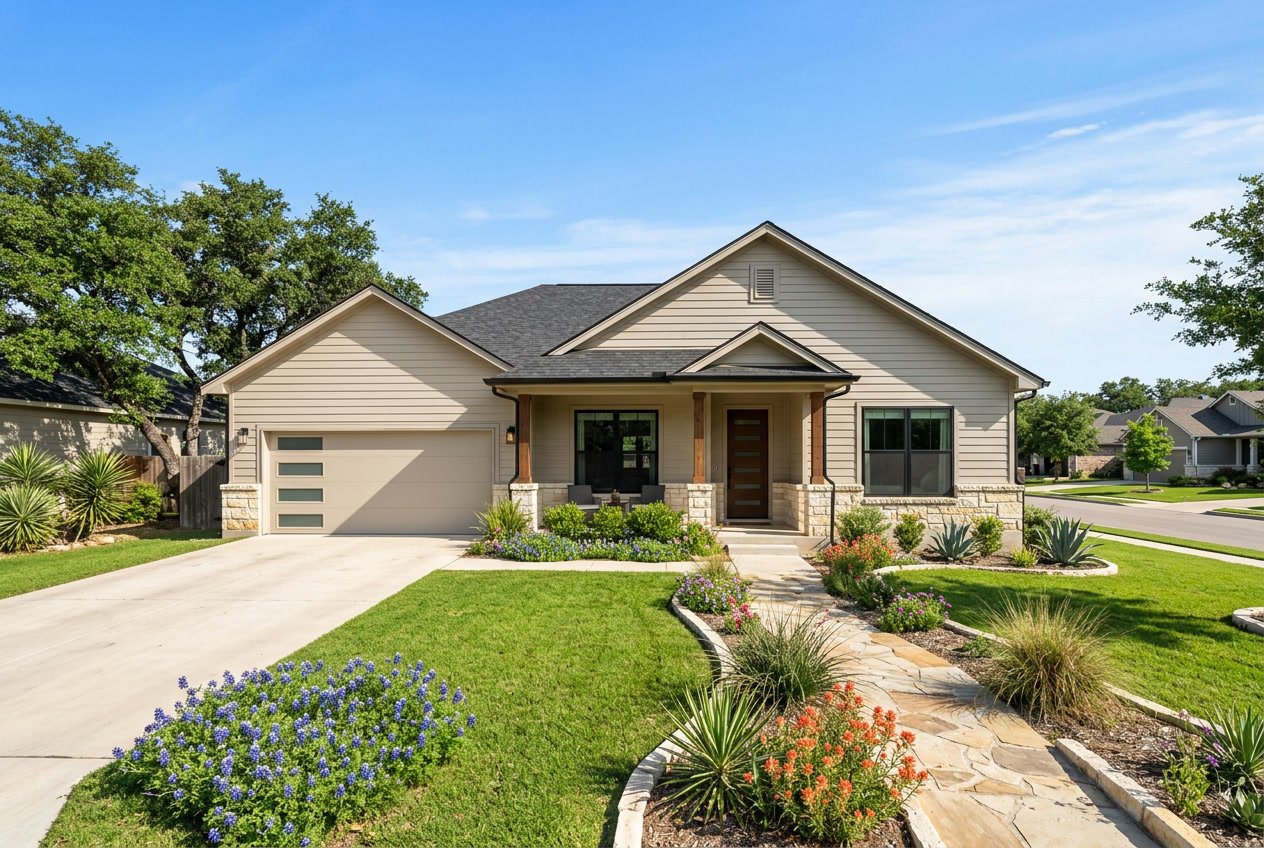
You face intense sun, humidity, and occasional hail here. Small choices—color, thickness, and installation—matter a lot.
This article shows what shortens siding life, what helps it last, and how vinyl stacks up against other options for Central Texas homes.
Key Takeaways
- Expect about 20–30 years for vinyl siding in Austin with normal care.
- Sun, heat, humidity, and storms are the main factors that reduce siding life.
- Higher-quality products and proper installation extend lifespan significantly.
Average Lifespan of Vinyl Siding in Austin
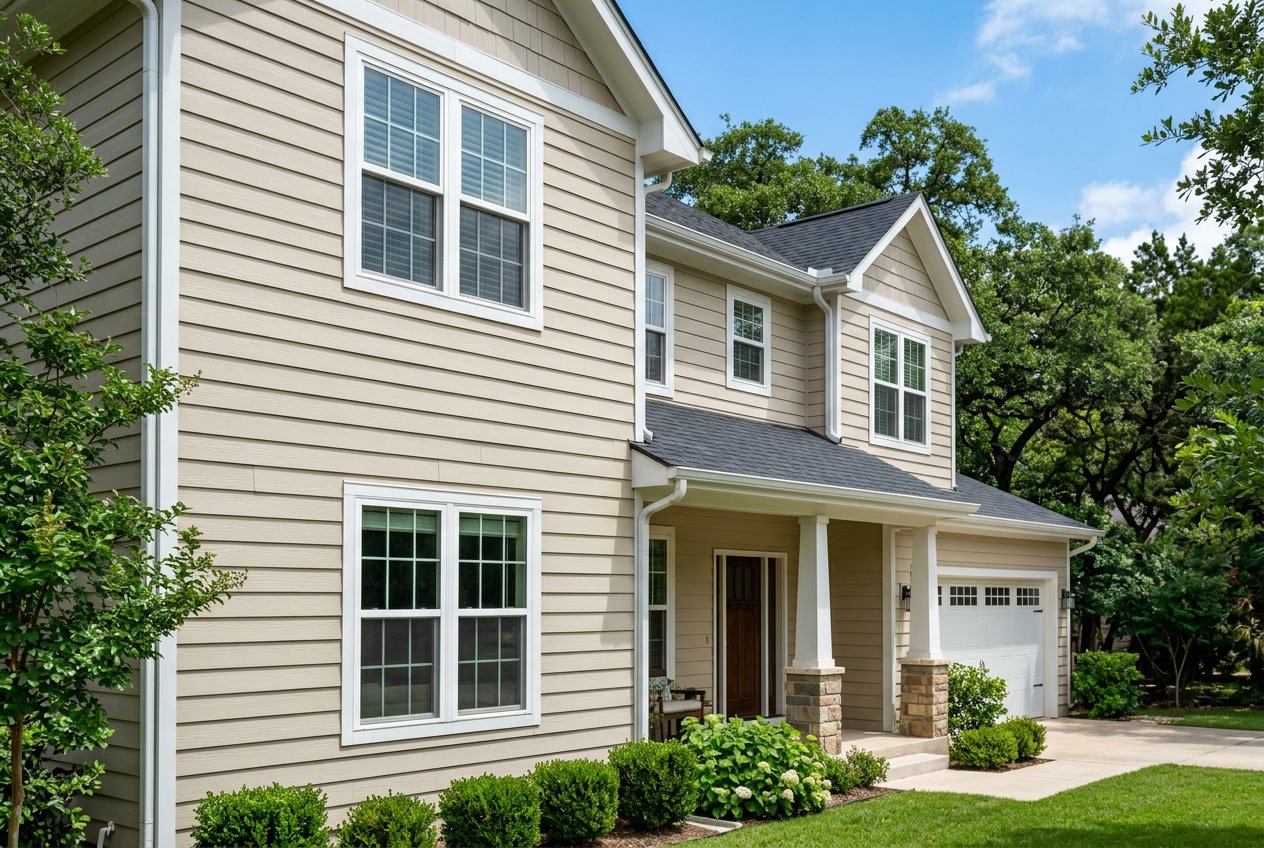
Vinyl siding in Austin typically lasts decades, but heat, sun, hail, and installation quality change how long it stays serviceable. Expect a range and watch for common failure signs.
Read warranty details closely so you know what is covered and for how long.
Realistic Lifespan Expectations in Central Texas
In Austin’s hot, sunny climate, most vinyl siding lasts about 20–30 years with regular care. Higher-grade, thicker panels with UV stabilizers can reach 30–40 years, especially on shaded walls or north-facing exposures.
Dark colors fade and absorb more heat, which speeds warping and trimming of useful life. Your home’s exposure to direct sun, frequency of severe storms, and local humidity will shift lifespan up or down.
Proper installation—correct nailing, flashing, and clearance from heat sources—adds years. Simple maintenance like annual cleaning and replacing damaged panels quickly also preserves the siding’s durability.
Typical Signs of Siding Aging and Failure
Look for these clear signs that your vinyl siding is aging: fading and chalking across large areas, cracking or brittle edges, warping or buckling panels, and loose or popped nails. Impact damage from hail or falling branches shows as dents or punctures.
Moisture problems behind the siding cause rot, mold, or soft sheathing and can appear as bulging or separated seams. Paintable siding that peels or chalks badly often indicates the UV stabilizers have broken down.
Track these signs by walking your house twice a year and after big storms.
Warranties and Manufacturer Claims
Warranties vary widely: many standard vinyl products carry 20–40 year limited warranties; premium products may list lifetime or 50-year terms. Read the fine print—warranties often cover color fading and material defects differently and may prorate coverage over time.
Most warranties require professional installation and evidence of regular maintenance. They usually exclude damage from hail, improper installation, or extreme weather.
Keep invoices, photos, and the warranty document in a safe place so you can make a claim if needed.
Austin Climate Factors Impacting Vinyl Siding
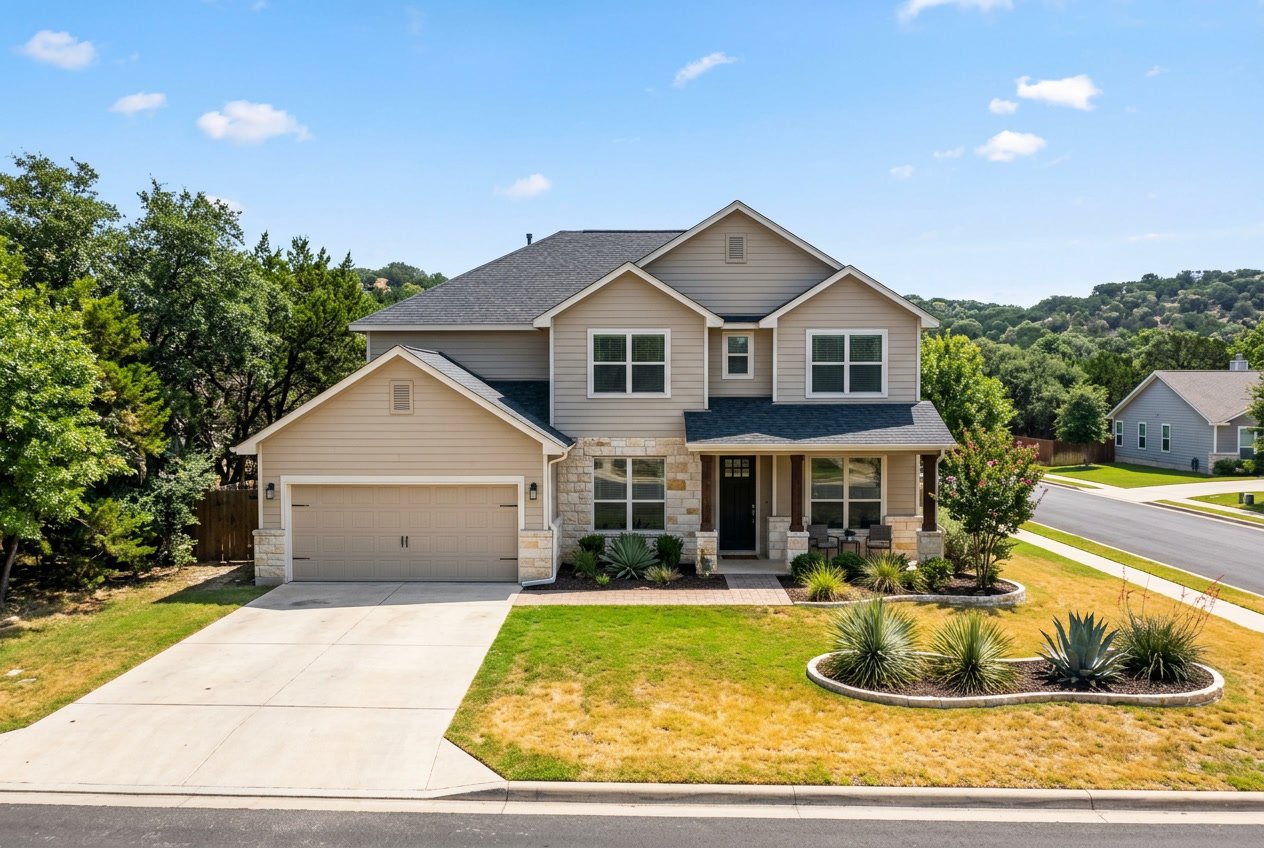
Austin’s climate stresses vinyl siding in three main ways: strong UV radiation, extreme heat with humidity and daily temperature swings, and frequent storms including hail and heavy rain. These forces affect color, material strength, and moisture intrusion risks for your home exterior.
Effects of UV Exposure and Intense Sunlight
Strong UV rays in Austin speed color fading and surface chalking on vinyl siding. Darker colors absorb more heat and show fading sooner, so choosing lighter tones can reduce visible wear and slow pigment breakdown.
UV also weakens the plasticizers and resins in lower‑grade siding. Over time this makes panels more brittle and prone to cracking when bumped or flexed.
High‑quality siding with UV stabilizers resists this longer. Inspect south‑ and west‑facing walls more often.
Those walls get the most direct sun and will show chalking, loss of gloss, and tiny hairline cracks before other sides of the house.
Impact of Heat, Humidity, and Temperature Swings
Austin’s summer highs over 100°F cause vinyl to expand during the day and contract at night. Repeated cycles stress seams, fasteners, and joints, which can lead to buckling or gaps if panels were nailed too tightly.
High humidity promotes mildew on shaded or poorly ventilated sections of siding. Mildew stains can mar appearance and trap moisture against the substrate if not cleaned.
Use properly installed expansion gaps and correct fastener spacing to let siding move without warping. Choose thicker, higher‑grade panels to resist heat‑related deformation and extend siding longevity on your home exterior.
Storms, Hail, and Moisture Concerns
Central Texas has frequent storms and occasional large hail that can dent or crack vinyl siding. Impact damage often appears as punctures or broken corners on thin panels, especially on windward sides of the house.
Heavy rains and driving wind can push moisture behind siding where flashing or trim is compromised. That trapped moisture can damage sheathing and shorten the siding’s useful life if not spotted early.
Walk your perimeter after storms to check for loose panels, cracked seams, or missing caulk. Replace damaged sections promptly and ensure flashing and trim are sealed to protect the siding and the structure beneath.
Maximizing the Lifespan of Your Vinyl Siding
Choose durable materials, insist on skilled installation, and keep up with regular maintenance. These steps target fading, warping, moisture intrusion, and physical damage so your siding lasts longer and protects your home exterior.
Choosing Quality Vinyl Siding Materials
Pick siding with a documented panel thickness (gauge) and UV-stabilized resin. Thicker panels resist impact and heat better; look for products labeled .044″ (1.12 mm) or thicker for longer life.
Ask for manufacturer data on UV inhibitors and colorfastness if your house gets heavy sun exposure. Choose lighter colors for south- or west-facing walls to reduce heat absorption.
Consider insulated vinyl panels if you want extra rigidity and thermal performance; they can cut noise and reduce warping. Check the warranty terms—longer, transferable warranties often indicate higher-quality products and better manufacturing controls.
Buy from brands with third-party testing and local installers who stock matching trims and accessories. Matching components matter for weather tightness and siding longevity.
Importance of Professional Siding Installation
Hire installers who follow manufacturer instructions and local building codes. Proper nailing, flashing, and allowance for expansion/contraction prevent buckling and gaps that invite moisture into your wall assembly.
Ask your contractor to show proof of past jobs, references, and a written installation plan. Confirm they use corrosion-resistant fasteners and install proper trim and drip edges.
Improperly sealed windows, roof lines, or eaves are common failure points; require attention to these details in your contract. Insist on on-site inspection after installation to check alignment, gaps, and ventilation.
A good installer documents the job and provides maintenance guidance tied to your siding type.
Maintenance Practices for Longevity
Clean your siding once a year with a garden hose and mild detergent to remove dirt, pollen, and mildew that accelerate degradation. Use a soft brush; avoid high-pressure washers directly on seams to prevent water intrusion.
Inspect your siding twice a year for cracks, loose panels, or fading. Replace damaged panels promptly and re-caulk gaps around windows and trim to keep moisture out.
Trim tree branches and vegetation away from siding to prevent scratches and mold growth. Keep gutters and downspouts clear to prevent splash-back and prolonged wetting of the lower siding.
Document maintenance and repairs; records help if you need a warranty claim or future resale value.
Comparing Vinyl Siding to Other Siding Materials in Austin
You’ll find tradeoffs between cost, lifespan, and weather resistance. Some materials resist heat and moisture better than vinyl, while others need more upkeep or cost more up front.
Fiber Cement Siding Performance
Fiber cement siding (like James Hardie) lasts much longer than typical vinyl in Austin. Expect 40–50+ years when it’s properly installed and painted.
It resists heat, humidity, and termites, so you won’t face rot from Austin’s wet seasons as often. Installation is heavier and more expensive than vinyl.
You’ll pay more for labor and flashing, and cuts produce silica dust that pros must control. Still, fiber cement reduces repainting frequency and holds up in sun and storms.
Wood Siding Durability in Austin’s Climate
Wood siding gives a classic look but needs regular care in Austin’s heat and humidity. You must paint or stain every 3–7 years and inspect for rot, warping, and insect damage.
Without that maintenance, wood can degrade in 20–40 years. Cedar and treated wood perform better than cheap pine.
They resist pests and last longer if you keep trim and flashing tight. Factor in higher ongoing maintenance costs and more frequent siding replacement compared with fiber cement or quality vinyl.
Metal Siding Advantages and Drawbacks
Metal siding, usually steel or aluminum, can last 40–70 years with good finish and corrosion protection. It handles sun, hail, and moisture well, so you’ll see less warping and decay than with vinyl or wood.
Metal can dent in hail and may require specialized repair. Some coatings fade in intense sun, so pick a high-quality finish and lighter colors to cut heat absorption.
Expect higher material and installation costs than vinyl, but lower long-term maintenance and a longer interval before siding replacement.
Frequently Asked Questions
You will find clear answers about how long vinyl siding lasts in Austin-like heat, what speeds up wear, and when to repair or replace it.
The short guides below cover lifespan ranges, heat effects, upkeep steps, material comparisons, cost drivers, and replacement signs.
What is the typical lifespan of vinyl siding in climates similar to Austin?
In Austin-like climates, expect most standard vinyl siding to last about 20 to 30 years with normal care. Higher-quality, thicker panels with UV inhibitors can reach 30 to 40 years, but that depends on sun exposure and storm frequency.
Can extreme temperatures in Austin affect the durability of vinyl siding?
Yes. Long periods above 95°F can make vinyl expand, warp, or become brittle over many years.
Repeated heating and cooling cycles also increase the risk of cracking and fading.
What maintenance is required to maximize the lifespan of vinyl siding in hot climates?
Clean siding once a year with a mild detergent and a soft brush to remove dirt and mildew. Inspect for loose panels, cracks, and sealant failures after storms, and repair small issues promptly to prevent moisture damage.
How does the longevity of vinyl siding compare to other materials like fiber cement or aluminum in Austin’s weather?
Fiber cement typically lasts 40 to 50+ years and resists heat, moisture, and UV better than vinyl, though it costs more and needs specialized installation. Aluminum can last 30 to 40 years but can dent in hail and may fade faster than fiber cement.
What factors should be considered when estimating the replacement cost for vinyl siding on a house in Austin?
Include siding material quality, house size and complexity, labor and disposal fees, and local permit costs. Also account for any water damage behind the siding, trim replacement, and upgrades like increased insulation or thicker panels.
What are the signs that indicate vinyl siding needs to be replaced in a hot climate area?
Look for wide cracks and large warped sections. Persistent fading or chalking is also a sign.
Replace siding if moisture damage or mold appears behind panels. If panels no longer fit securely and allow drafts, replacement is needed.