You want siding that stands up to Austin heat, humidity, and storms while cutting maintenance and boosting curb appeal. Fiber cement, engineered wood, metal, and high-pressure laminate rank among the best choices for Austin homes because they resist moisture, UV fading, pests, and fire better than many alternatives.
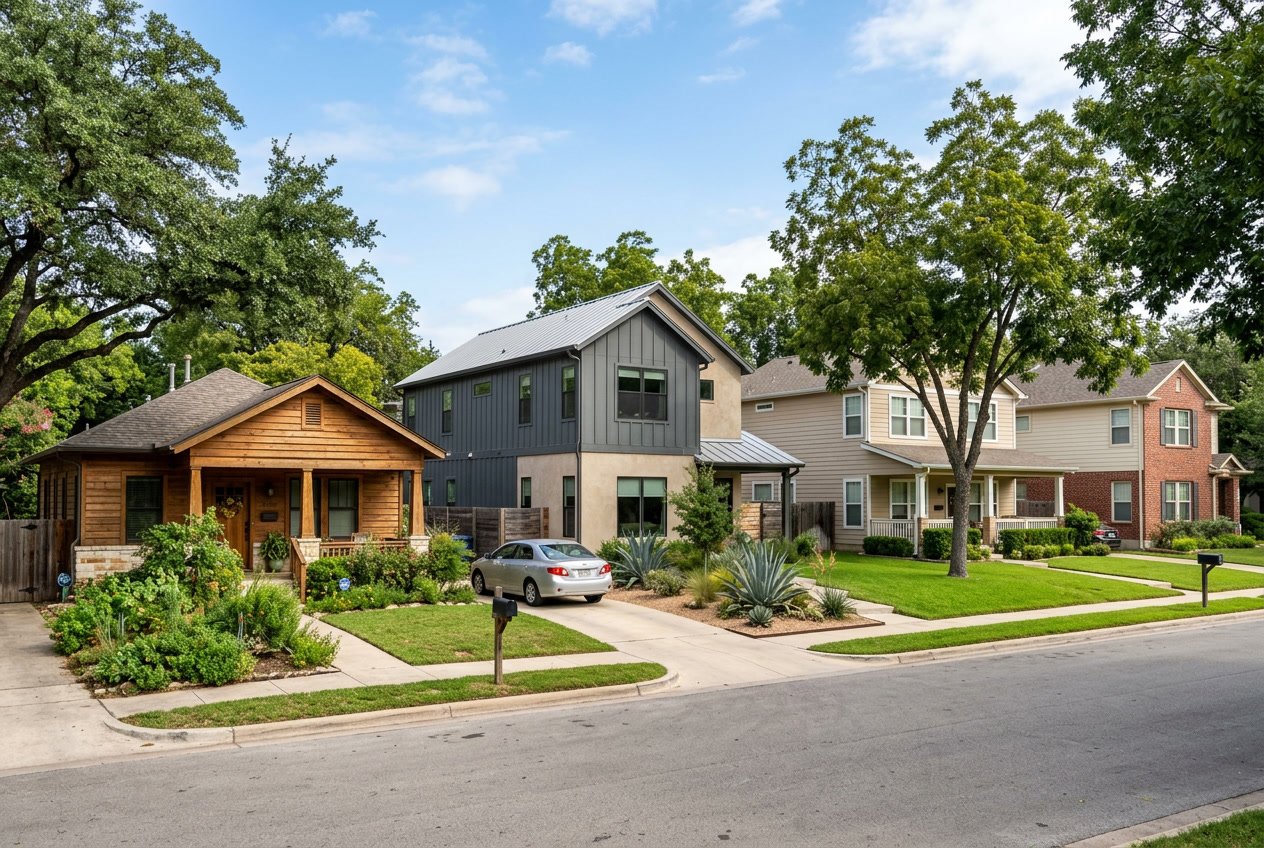
Pick a material based on your budget, desired look, and how much upkeep you want to do. The right siding can lower energy costs, last longer in Central Texas weather, and raise your home’s value.
Key Takeaways
- Choose siding that balances durability, weather resistance, and appearance.
- Consider long-term maintenance and energy performance when comparing materials.
- Premium options cost more up front but often save money and hassle over time.
Key Factors for Selecting Siding in Austin’s Climate
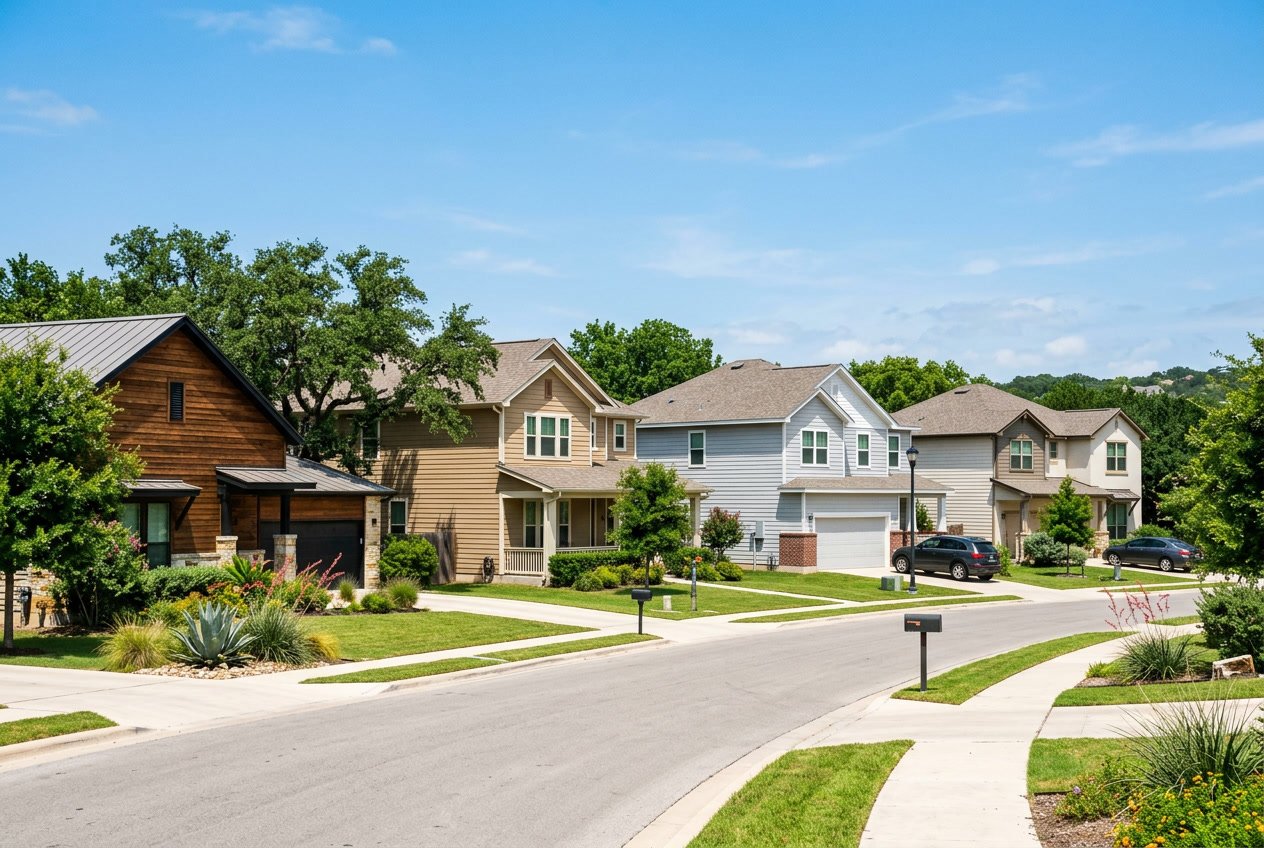
Pick siding that handles long summer heat, strong UV, sudden storms, and seasonal humidity. Focus on materials that resist warping, keep moisture out, improve energy efficiency, and boost curb appeal.
Heat Resistance and Sun Exposure
Austin summers push daytime highs into the 90s and 100s, so choose siding with proven heat resistance. Look for materials with UV inhibitors or reflective finishes to reduce fading and surface breakdown.
Fiber cement and high-quality vinyl made for hot climates resist warping and color loss better than low-grade vinyl or untreated wood. Installation details matter: leave proper expansion gaps for vinyl and follow paint guidelines for fiber cement to avoid cracking from thermal cycling.
Dark colors absorb more heat, so pick lighter shades if you want lower surface temperatures. This lowers stress on exterior walls and helps preserve the siding’s finish.
Moisture and Weather Durability
Austin gets heavy seasonal rains and occasional hail, so siding must manage moisture while shedding water quickly. Choose products with sealed joints, a reputable water-resistive barrier, and proper flashing around openings.
Fiber cement and engineered wood with factory coatings perform well at resisting rot and insect damage. Inspect seams and trim after storms to spot any gaps that let water behind the siding.
Proper ventilation and a rainscreen gap reduce trapped moisture and mold risk. If you live in a hail-prone neighborhood, consider impact-rated options or metal panels that dent less and resist long-term damage.
Energy Efficiency and Insulation
Siding can cut your cooling bills when paired with proper insulation. Insulated siding or siding installed over continuous exterior insulation reduces heat transfer through walls and lowers AC load.
Look for siding systems with an R-value or an insulating foam backing that complements your wall assembly. Seal around windows, doors, and penetrations to stop air leaks.
Combined with reflective coatings and lighter colors, insulated siding helps maintain steadier indoor temperatures. Prioritize systems that meet local energy codes and consider adding attic and wall insulation at the same time for the best results.
Curb Appeal and Home Value
Your siding choice affects resale value and neighborhood fit. Fiber cement and high-end engineered wood mimic traditional textures while offering long lifespans that appeal to buyers.
Vinyl and metal offer lower-cost options with many color and style choices that still look modern and clean. Pick finishes and trim that match your home’s architectural style and the street character.
Durable, low-maintenance siding reduces future upkeep costs, which buyers notice. Keep documentation of material type, paint warranties, and installation details to show prospective buyers the long-term value of your exterior walls.
Overview of the Best Siding Materials for Austin Homes
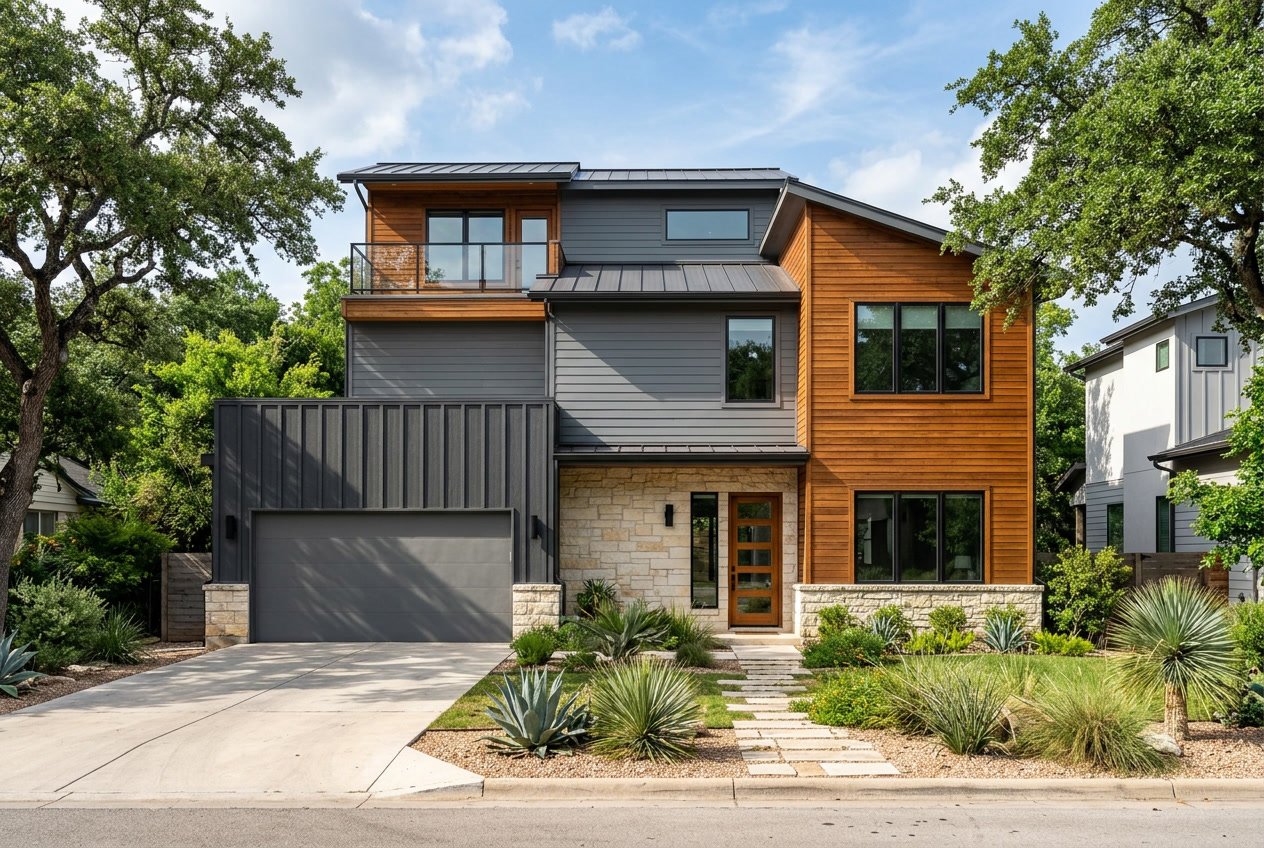
Austin’s sun, heat, humidity, and occasional hail shape which siding lasts and performs best. Choose materials that resist moisture, reflect UV, and stand up to pests and storms.
Fiber Cement Siding
Fiber cement combines cement, sand, and cellulose fibers into boards or panels. It resists rot, termites, and high heat, so it holds up well in Austin’s sun and humidity.
You can expect strong impact resistance against hail and good dimensional stability during temperature swings. Maintenance is low: paint every 10–15 years instead of yearly staining.
Fiber cement works with paintable profiles that mimic wood, so you keep a traditional look without the upkeep. Installation requires skilled labor and heavier materials, which raises upfront cost but lowers long‑term repair needs.
Consider fiber cement if you want durability, fire resistance, and a range of styles that match both historic and modern Austin homes.
Vinyl Siding
Vinyl siding offers one of the lowest maintenance options for Austin homeowners. It resists rot and insect damage and needs only occasional cleaning.
Insulated vinyl adds energy performance and can reduce heat transfer through walls during long hot months. Color fading can occur over many years under strong UV, but modern formulations resist fading better than older products.
Vinyl is generally less impact‑resistant than fiber cement or metal, so hail or heavy debris can cause dents or cracks. Installation is faster and labor costs are typically lower.
Choose vinyl if you prioritize low cost, low maintenance, and improved insulation options for your exterior siding.
Wood Siding
Wood siding gives authentic texture and strong curb appeal for traditional Austin homes. Cedar and redwood are common because natural oils resist decay and insects better than other woods.
You can stain or paint wood to match historic character or custom designs. Wood requires ongoing care: regular painting or staining, and checks for moisture damage, especially after heavy rains or in humid seasons.
It also needs treatment for termites and may have higher long‑term maintenance costs. Wood performs well when properly detailed with good flashing, drip edges, and ventilation.
Pick wood siding if you value original appearance and are willing to maintain it to protect the investment and your home’s look.
Metal Siding
Metal siding—mainly steel or aluminum—offers high durability and strong resistance to fire, pests, and rot. It stands up well to Texas storms and hail when you choose heavier gauges or impact-rated panels.
Metal reflects heat and can be paired with insulation for better energy performance. Finish options include baked-on coatings that resist UV fading and corrosion.
Dents are possible with hail or impacts, and steel can rust if the coating is breached, so choose quality coatings and proper installation. Metal also suits modern, industrial, and contemporary home styles.
Select metal siding if you want a long‑lasting, low‑combustion exterior that handles storm exposure and pairs well with insulated siding systems.
Specialty and Premium Siding Options
These premium choices offer a mix of looks and performance. They can add curb appeal, targeted durability, and higher resale value when matched to your budget and site conditions.
Engineered Wood Siding
Engineered wood siding combines wood fibers with resins and protective coatings to give you the look of real wood with added resistance to moisture and pests. Brands like LP SmartSide use treated substrates and factory finishes that stand up better to Austin’s heat and seasonal storms than raw wood.
You get options in lap, panel, and board-and-batten profiles. Installation must follow manufacturer instructions for flashing and trim to keep the warranty valid.
Expect lower maintenance than natural wood—occasional repainting or resealing every 7–15 years depending on exposure. Cost sits between vinyl and fiber cement.
If you want wood appearance without constant upkeep, engineered wood is a practical premium choice that balances aesthetics and weather performance.
Stone Veneer and Masonry Accents
Stone veneer gives your home a heavy, anchored look without the cost and weight of full masonry. You can choose manufactured veneer (lighter and easier to install) or natural thin-cut stone for higher authenticity.
Use veneer as an accent on porch fronts, chimneys, or lower walls to protect high-impact areas from splash and wind-driven rain. Proper drainage, a water-resistive barrier, and weep screeds are critical to avoid trapped moisture behind the veneer.
Mortar joints and sealants must be installed correctly to last. Stone and brick add thermal mass that helps moderate temperature swings.
Expect higher upfront costs and longer installation time, but strong curb appeal and low maintenance afterward.
Siding Styles and Modern Trends
Style choices affect both look and performance. Board-and-batten vertical siding adds height and is popular for modern farmhouse looks.
Wide horizontal planks give a contemporary, clean appearance. Two-color palettes—dark trim with light field siding or vice versa—remain trendy in Austin.
Mixed materials also sell well: fiber cement or engineered wood paired with stone veneer at the base creates balanced contrast and durability where water exposure is highest. Consider finish and texture: smooth panels read modern, while woodgrain textures feel traditional.
Pick profiles that work with your roofline and local HOA rules. Always match material choices to the climate exposure on each facade.
Installation, Maintenance, and Replacement Considerations
You need a clear plan for how siding will be installed, how much upkeep each material needs, and signs that tell you when to replace it. Costs, local climate, and contractor skill matter most in each step.
Siding Installation Best Practices
Hire a licensed local contractor who knows Austin building codes and common moisture issues. Ask for proof of insurance, references, and a written scope that lists materials, underlayment, flashing details, and ventilation work.
Inspect the sheathing and wall wrap before new siding goes on. Replace any wet or rotted sheathing and install a continuous water-resistive barrier plus proper flashing at windows, doors, and roof intersections.
Plan for proper fasteners and spacing for the material you choose (e.g., stainless or hot-dipped galvanized for metal; ring-shank nails for fiber cement). Ensure trim and starter strips are installed straight to prevent gaps and buckling.
Get a final walkthrough and a written warranty that covers both labor and materials.
Maintenance Expectations by Material
Vinyl: wash with a garden hose and mild detergent once a year. Replace cracked panels and check caulk at trim to prevent water intrusion.
Fiber cement: repaint every 10–15 years depending on finish. Inspect for loose boards and re-caulk seams.
Use proper fasteners to avoid corrosion. Wood: plan on annual inspections for rot, insect damage, and peeling paint.
Repaint or stain every 3–7 years and replace any soft boards promptly. Metal (aluminum/steel): rinse off pollen and debris often in Austin spring.
Touch up scratches to avoid corrosion and check seams for sealant failure. Stone/brick: mostly low maintenance.
Check mortar joints and flashing, and repoint or replace damaged mortar to keep water out.
When to Consider Siding Replacement
Replace siding when you see widespread rot, significant warping, or continuous water stains inside the home. Small isolated problems allow targeted repairs; structural or repeated moisture problems mean full replacement.
If energy bills stay high despite other fixes, consider replacing siding with insulated panels or adding continuous exterior insulation during replacement. Also replace siding when it has reached the end of its expected life: vinyl often 20–40 years, fiber cement 30–50 years, wood 20–50 years depending on upkeep.
Factor in storm damage after hail or strong winds. If repairs exceed 30–40% of the wall area, replacement is usually more cost-effective.
Always document damage and get at least two contractor estimates before deciding.
Frequently Asked Questions
This section answers specific concerns you likely have about siding for Austin homes. It covers durability, energy performance, cost over time, upkeep, weather effects, and eco-friendly options.
What are the most durable siding materials suitable for the Austin climate?
Fiber cement ranks high for durability in Austin. It resists warping, rot, insects, and holds paint well under strong sun.
Metal siding is very long-lasting and resists fire and pests. Make sure you add proper insulation to control heat transfer.
High-grade vinyl with UV stabilizers can last decades if you choose thicker panels made for high temperatures. Avoid thin, economy vinyl in full sun.
Engineered wood with moisture-resistant treatments performs better than traditional wood, but it needs more upkeep than fiber cement or metal.
How do energy efficiency ratings for various siding options compare in Texas heat?
Insulated siding offers the clearest energy benefit by adding a foam layer that reduces heat flow through walls. It can lower cooling demand when paired with proper attic and wall insulation.
Fiber cement and metal reflectivity vary by finish. Lighter colors and reflective coatings help reduce solar heat gain.
Vinyl and engineered wood have low inherent thermal resistance without added insulation. You can improve performance by installing continuous insulation behind the siding.
Which siding materials offer the best value for long-term investment in the Austin area?
Fiber cement gives strong long-term value because of low repair needs and long lifespan. Expect higher upfront cost but lower lifecycle expense.
Metal siding has higher upfront cost but can last 40+ years with minimal maintenance. This makes it a good long-term buy for many homes.
High-quality vinyl often has the lowest initial cost and reasonable lifespan if you pick heat-resistant products. It can be the best short-term value for budget-sensitive projects.
Engineered wood balances cost and appearance but needs regular maintenance. This raises lifetime cost compared with fiber cement or metal.
What are the recommended maintenance routines for popular siding choices in Austin?
For fiber cement: wash with a mild detergent every 1–2 years. Repaint every 10–15 years or as needed.
For metal: inspect fasteners and seams annually. Wash to remove pollen and debris, and touch up protective coatings to prevent corrosion.
For vinyl: rinse with a hose and use a soft brush for stains. Check for loose panels after storms.
For engineered wood: clean annually, inspect caulking and paint. Recoat protective finishes every 5–10 years to prevent moisture damage.
How does the local Austin weather influence the choice of siding materials?
Intense summer heat and high UV exposure push you toward materials with UV resistance and thermal stability. Choose products rated for sun and heat cycling.
Seasonal storms and heavy rain require good moisture management. Use water-resistant siding and detail flashing, seams, and trim to avoid trapped moisture.
Temperature swings cause expansion and contraction. Pick materials and fastening systems that allow movement without cracking or warping.
Can you list the most eco-friendly siding options available in Austin, Texas?
Recycled metal siding ranks high for sustainability because it often contains recycled content. It is also fully recyclable at end of life.
Fiber cement has a long lifespan and low maintenance needs. This lowers lifecycle environmental impact compared with short-lived materials.
Cedar or sustainably sourced wood can be eco-friendly if certified and maintained properly. However, they require more upkeep.
Engineered wood with low-emission binders and certified wood fibers can be a greener choice than conventional wood.