
You can usually get a free estimate from siding contractors in Austin, TX. Availability and what’s included can vary by company and project size.
Many local contractors, especially those who install James Hardie and other popular siding types, offer no-cost site visits and written estimates. This allows you to compare prices and scope without commitment.
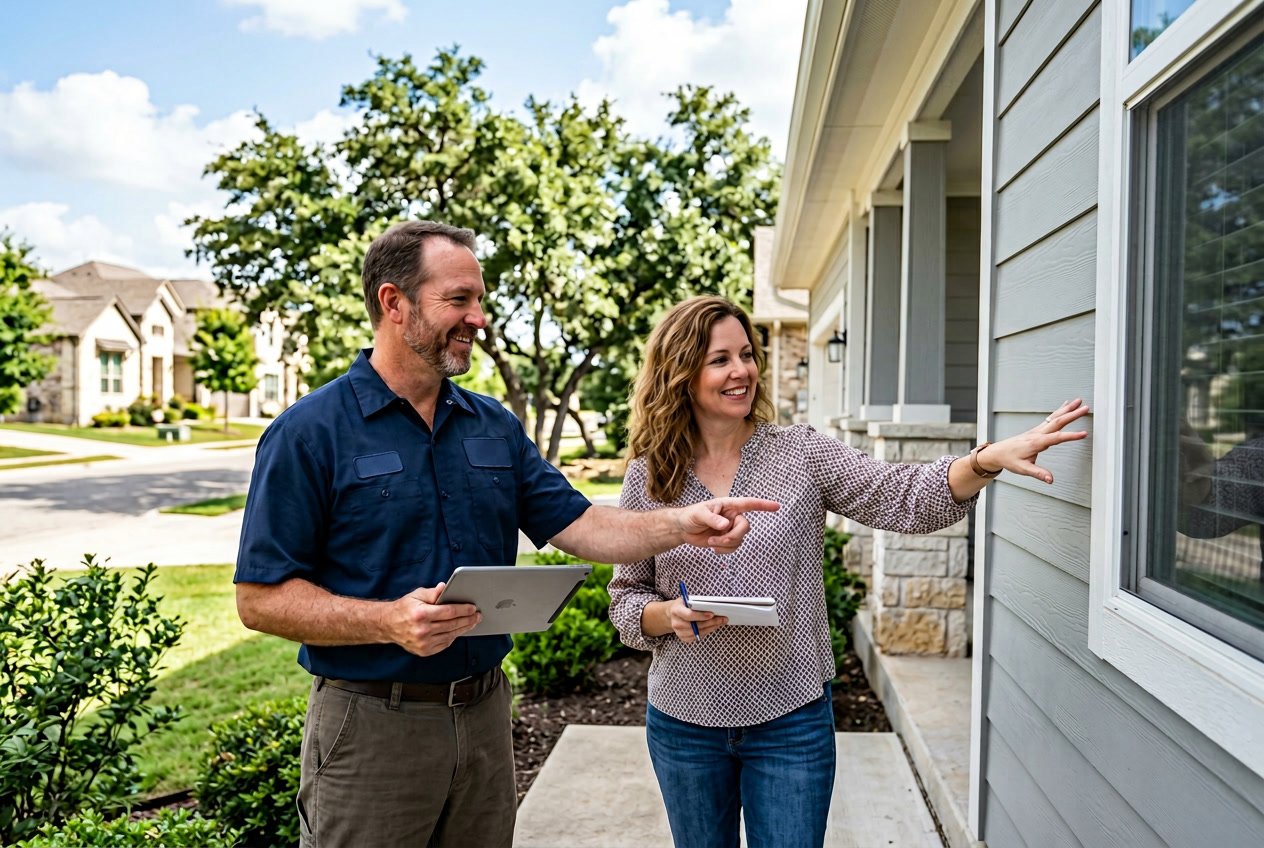
If you want a reliable quote, ask about what the estimate covers—materials, labor, painting, permits, and warranties. Also, check if they include a written timeline.
Getting multiple free estimates helps you spot fair pricing. It also helps you find a contractor who stands behind workmanship and product warranties.
Key Takeaways
- Most Austin siding contractors provide free on-site estimates to interested homeowners.
- Confirm what each free estimate includes so you can compare options accurately.
- Collect multiple estimates to evaluate cost, materials, and contractor reliability.
Free Estimates from Siding Contractors in Austin, TX
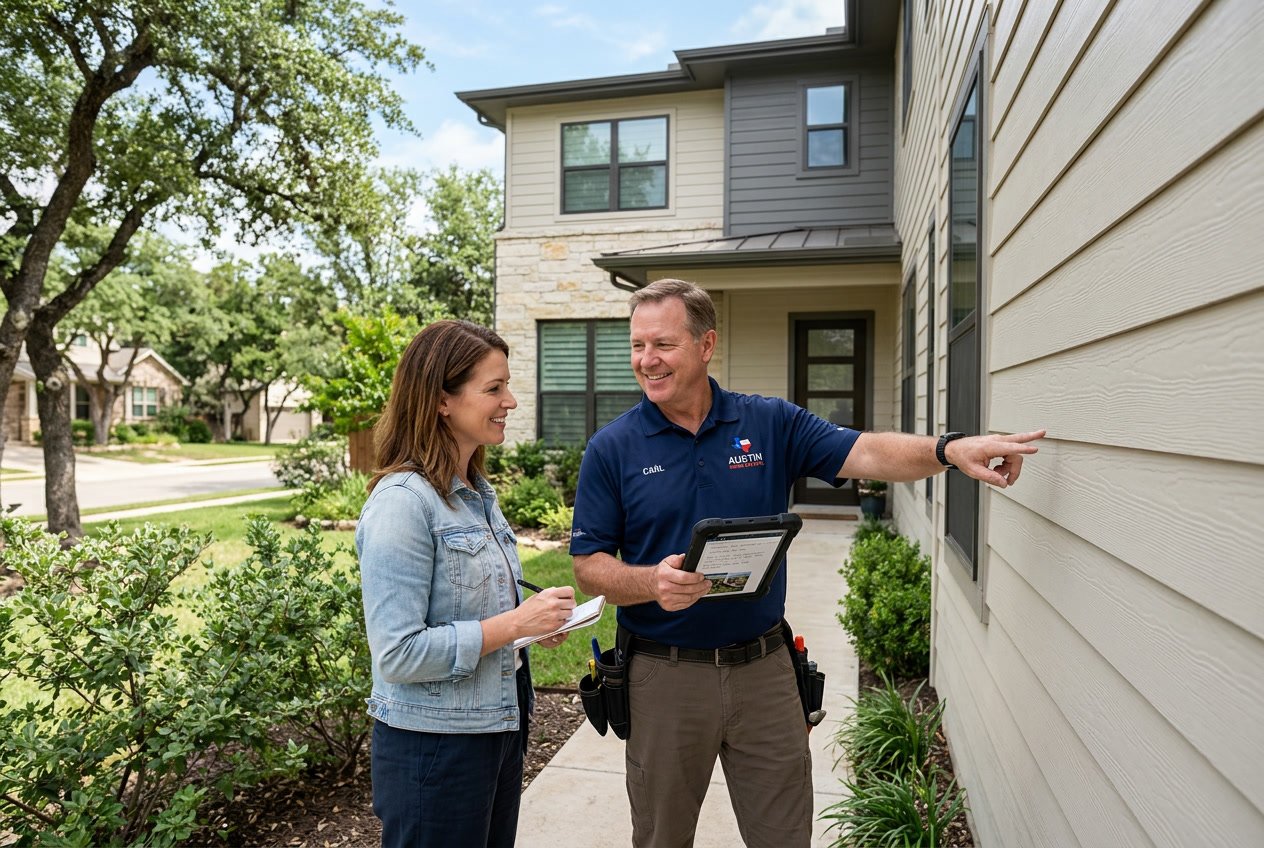
You can usually get a free estimate from local siding contractors for siding replacement or new installation. Estimates typically involve a site visit, a written price breakdown, and a discussion of materials and timeline.
Typical Process for Requesting a Free Estimate
You call or request a quote online and schedule a visit. Most Austin siding contractors will ask for your address, basic home details (square footage, number of stories), and photos if available.
On-site, the contractor measures walls, checks trim, flashing, and existing siding condition, and notes any hidden issues like water damage or rot. This step takes 30–90 minutes for an average single-family home.
After inspection, the contractor discusses material options (vinyl, fiber-cement/Hardie, wood), color choices, trim details, and estimated start dates. You should get a written estimate within a few days that lists labor, materials, permits, and cleanup.
Ask about warranties and any project exclusions before you sign.
What Is Included in a Siding Estimate
A clear estimate breaks costs into line items: materials, labor, disposal, permits, and any subcontracted work (like window trim or soffit repair). It should state material brands and profiles, for example James Hardie fiber-cement or specific vinyl lines, and include square footage or linear feet used for pricing.
Labor entries should show hourly or per-square-foot rates and an estimated total work time. The estimate should also list allowances for unseen damage and a change-order process for scope changes.
Look for start and completion windows, payment schedule, and whether cleanup and haul-away are included. If the contractor will handle permits, that fee should appear.
Missing details or vague language are red flags—ask for clarification or a revised written estimate.
No-Obligation Policies and Terms
Many Austin siding contractors advertise “free” estimates, but the key is the no-obligation fine print. Ask if the estimate truly carries no obligation to hire and whether the contractor will charge for re-measurements or detailed project plans.
Some companies offer a complimentary initial estimate but charge for engineering reports, permit-ready drawings, or design consultations. Confirm whether the estimate is valid for a set period (typically 30–90 days) and whether prices are subject to material cost changes.
Also verify cancellation policies for scheduled visits and whether the contractor requires proof of insurance or references before giving a final quote. If you want multiple bids, request similar scopes so you can compare apples to apples.
Types of Siding Offered and Material Options
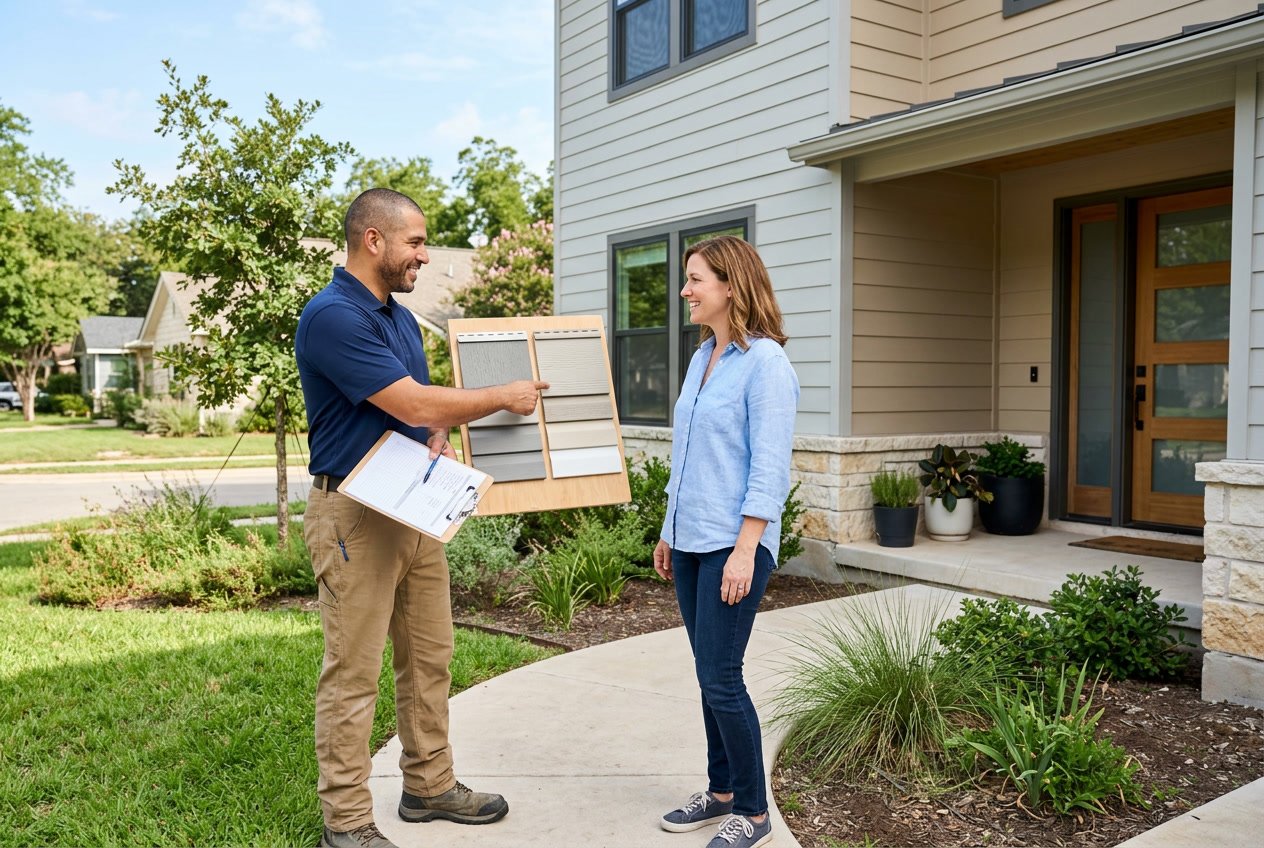
You’ll learn which siding types local contractors commonly install. You’ll also see how fiber cement compares to other options.
Overview of Siding Materials in Austin
In Austin, contractors most often install vinyl, wood, and fiber cement siding. Vinyl costs less upfront and resists moisture, which helps during humid months.
Wood gives a natural look but needs regular painting and pest checks to stay in good shape. Fiber cement sits between vinyl and wood on price and durability.
It resists rot, termites, and high heat better than wood. Expect installers to offer fiber cement in plank and shingle styles, and they usually paint or pre-finish it for UV protection.
Contractors will also discuss trim, flashing, and underlayment, since proper installation prevents water intrusion. Ask for material samples and local references to judge color, texture, and long-term performance.
Advantages of Fiber Cement Siding
Fiber cement blends cement, sand, and cellulose fibers to make a strong, stable panel. It resists warping, rotting, and termite damage better than wood, so it lasts longer in Austin’s hot, sometimes stormy climate.
You get a range of looks: smooth, wood-grain, or textured panels and shingles. It holds paint well, so color lasts longer and needs fewer repaints than wood.
Fire resistance is another key benefit — fiber cement is noncombustible, which adds safety for homes near dry brush or in windy weather zones. Installation weighs more than vinyl, so contractors may charge higher labor costs.
James Hardie Fiber Cement Benefits
James Hardie makes a widely used fiber cement product designed for durability and consistent quality. You’ll find it in many Austin projects because it resists heat, moisture, and pests while keeping a cleaner finish over time.
Their engineered panels come in planks, panels, and trim pieces that mimic wood or modern styles. James Hardie products often include a factory-applied finish that adds UV protection and lowers early maintenance needs.
Many contractors in Austin list James Hardie on estimates and can show manufacturer warranties. Ask installers about proper flashing, caulking, and paint systems to keep the warranty valid and the siding performing for decades.
Factors Affecting Siding Replacement Costs in Austin
Your final price depends on material choice, the depth of the inspection, and any extra services or financing you pick. Local labor rates and climate-related prep also change bids, so expect variation between contractors.
Impact of Material Choice on Pricing
Material drives most of your cost. Vinyl siding runs lowest per square foot, while fiber cement siding (like James Hardie) costs more for the product and for labor because it is heavier and requires special fasteners and cuts.
Wood and engineered wood sit between vinyl and fiber cement in price, but wood needs more maintenance over time. Color and profile affect cost too.
Specialty textures, wider planks, or board-and-batten styles add both material and labor time. Ask contractors for per-square-foot price breakdowns so you can compare material, labor, and waste allowance line by line.
Inspection and Assessment Procedures
A thorough inspection changes the estimate. Contractors remove a few panels or use infrared to check sheathing, studs, and flashing.
If they find rot, mold, or water damage, expect separate line items for sheathing replacement, new flashing, and mold remediation. Your roofline complexity matters.
Multiple gables, window wraps, and soffit/fascia work increase labor hours. Make sure the estimate lists scope: demo, disposal, substrate repairs, trim, paint, and weatherproofing.
That prevents surprise charges later.
Additional Services and Financing Options
Extra services add to total but can protect your home. Painting, new trim, soffit and fascia replacement, and upgraded flashing all raise costs but reduce future risk.
Contractors often bundle painting with fiber cement siding installs since it typically ships primed and needs finish coats. Many Austin contractors offer financing with terms like 0% for short periods or low APR longer plans.
Read the loan terms carefully: check down payment, interest after promotional period, and any early-pay penalties. Ask for a written warranty on workmanship and materials; warranty length can affect price and long-term value.
Selecting the Right Siding Contractor in Austin, TX
Pick a contractor with proven local experience, clear written warranties, and estimates you can compare line by line. Verify licenses, ask for recent project photos, and confirm whether they install James Hardie fiber cement if you want that material.
Experience and Local Reputation
Look for a siding contractor who has worked in Austin for several years and shows photos of nearby projects. Ask how many local homes they’ve sided and whether they’ve handled hail or heat-related repairs.
Contractors familiar with Austin know which flashings and fasteners resist local weather. Check reviews on Yelp, BBB, and local sites for patterns — fast response time, clean job sites, and on-time completion matter.
Request references and call at least two recent customers. If you want James Hardie fiber cement, confirm they are experienced with that brand’s installation details and can follow manufacturer guidance.
Warranty and Workmanship Guarantees
Always get warranties in writing. Ask for both material warranties (for example, James Hardie product terms) and a contractor workmanship warranty that covers labor for a set period.
Clarify what triggers a warranty visit and who pays for travel or diagnostic fees. Read exclusions closely.
Some warranties void if ventilation or house wrap wasn’t installed correctly. Ask how warranty claims are handled — do they dispatch a crew directly, or force you to work through a third party?
Prefer contractors who offer a clear, multi-year workmanship guarantee and explain how they document finished work.
Tips for Comparing Contractor Estimates
Compare at least three written estimates and line up the same scope of work for each. Require itemized costs: labor, materials (note James Hardie line items if chosen), trim, flashing, fasteners, disposal, and painting.
That makes price differences clear. Note timelines and payment schedules.
Avoid large upfront payments; instead, use staged payments tied to milestones. Ask about change-order rules and how they price unexpected repairs found after siding removal.
Check for local insurance and a valid license, and confirm the estimate includes cleanup and final walkthrough.
Frequently Asked Questions
You will find clear answers about costs, timelines, and what to look for in bids. The items below explain local pricing drivers, whether free estimates are common, and what a complete estimate should include.
What factors affect the pricing for siding installation in Austin, TX?
Material type drives price a lot — vinyl, fiber cement (Hardie), wood, and metal all have different costs. Labor rates in Austin, permit fees, and disposal of old siding add to the total.
Home condition matters too. Wall height, number of stories, trim complexity, window and door cutouts, and any needed sheathing or moisture barrier repairs increase labor and materials.
Accessibility and landscaping protection needs can raise the price as well.
Is it typical for contractors in Austin to provide free estimates for siding projects?
Yes. Many Austin siding contractors offer free on-site estimates to assess scope, measure walls, and spot hidden issues.
Free estimates are common because accurate quotes require a physical inspection. Some contractors may charge a small fee for very detailed written reports or when advanced diagnostics (like moisture scans) are requested.
Ask up front whether the estimate is free and what level of detail it includes.
How can homeowners accurately compare quotes from different siding contractors?
Compare the same scope: same material, trim, underlayment, and removal of old siding. Ask for itemized bids so you can see line-by-line costs for labor, materials, permits, and disposal.
Check timelines and payment terms. Verify contractor insurance, license (if required), warranties on labor and materials, and references or recent local projects before choosing.
What should be included in a comprehensive siding estimate?
An itemized list of materials with brand names and thickness or gauge. Labor costs broken down by task, start and finish dates, and daily work hours.
Permit fees, waste removal, protection of landscaping, and any subcontracted work should appear. Warranties, change-order procedures, and payment schedule must be listed too.
How long does it typically take to complete a siding replacement in the Austin area?
Smaller homes or partial repairs can take 2–5 days. Full re-sides on average-sized homes usually take 1–2 weeks, depending on crew size and weather.
Delays can come from permit processing, ordering specialty materials, or discovering underlying rot that needs repair. Ask the contractor for a project timeline with milestones.
Are there seasonal discounts available for siding installation in Austin?
Yes. Contractors sometimes offer lower rates in slow seasons, typically late fall and winter, when demand drops.
You may get better scheduling options and occasional discounts then. High-demand months like spring and summer often have fewer discounts and longer lead times.
Always get written confirmation of any promotional pricing and the conditions that apply.