You can find siding supplies across Austin at big-box stores, local lumberyards, and specialty siding companies to match your budget and project size.
For quick buys and broad selection, visit national retailers or local lumber suppliers; for higher-end materials and custom work, seek out specialty siding companies that offer James Hardie and fiber-cement options.
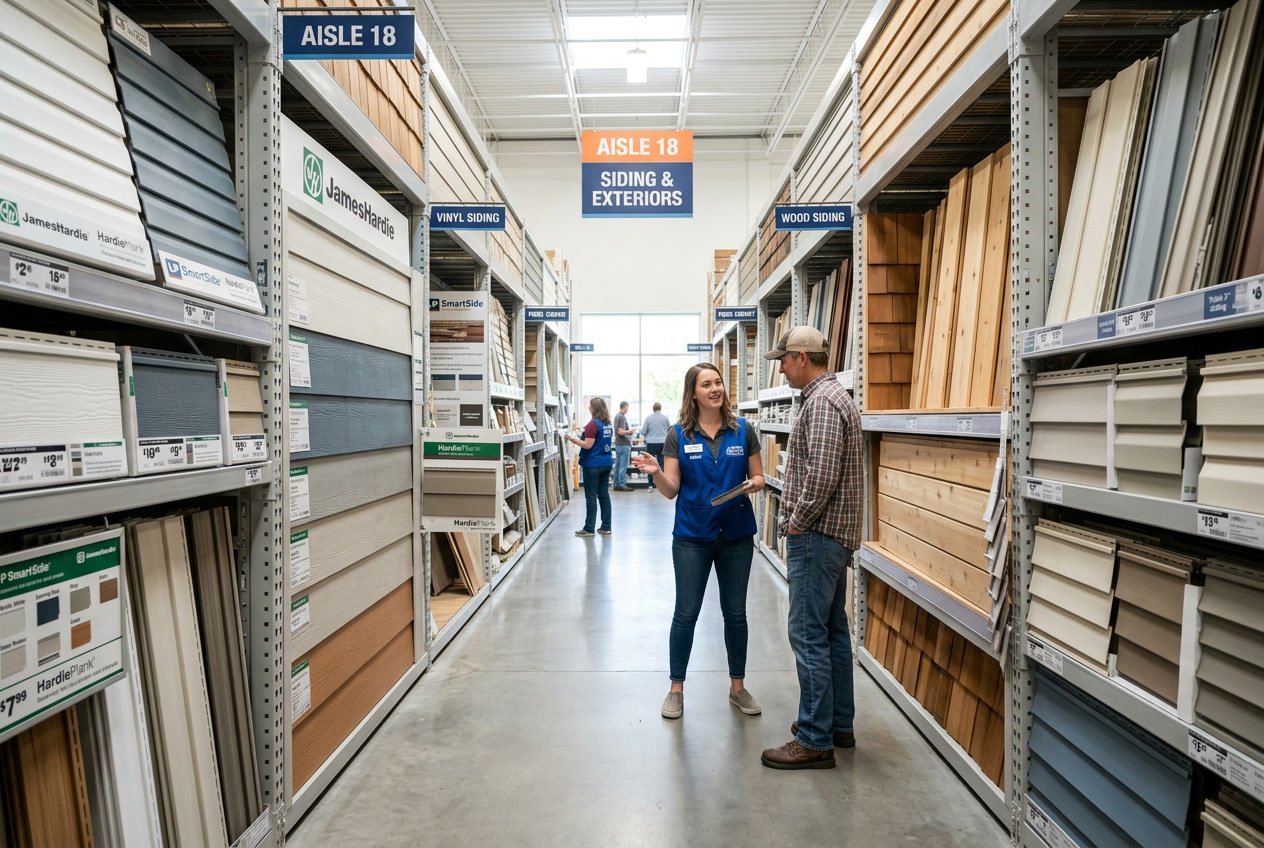
If you plan to install the siding yourself, focus on stores that sell materials and tools together.
If you want full-service help, pick a local siding contractor or company that provides estimates, installation, and warranties so you avoid costly mistakes.
Key Takeaways
- Choose a retailer type based on budget and whether you DIY or hire help.
- Look for sellers that stock durable, climate-suited siding materials.
- Prefer suppliers or contractors who offer estimates and installation support.
Best Places to Buy Siding Materials in Austin, TX
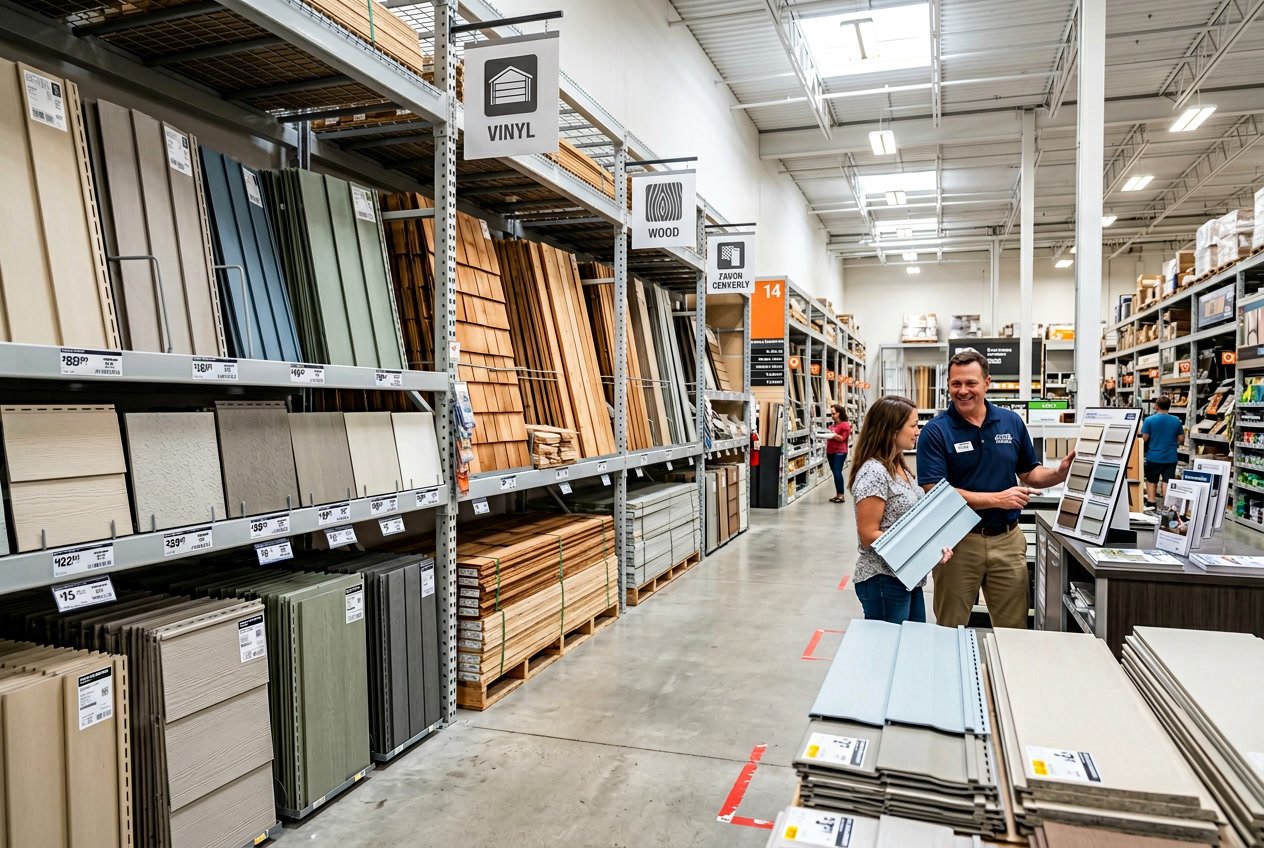
You can find siding materials at local specialty yards, big-box chains, and online directories.
Each option offers different prices, delivery options, and product depth so choose based on budget, timeline, and project scale.
Local Siding Supply Stores
Local yards like Eastside Lumber & Decking and specialty suppliers carry fiber cement, engineered wood, and premium wood siding.
These stores often stock James Hardie, engineered cedar, and custom millwork.
You get hands-on help from staff who know Austin climate needs—humidity, heat, and storm resistance.
They can recommend fasteners, trim, and local grade cuts that work here.
Many local suppliers offer delivery and hotshot service inside Austin and nearby suburbs.
They may provide small-quantity orders, same-day pickups, and on-site cutting to save time and waste.
Major Retailers and Chains
Big-box stores such as Lowe’s and national suppliers like Builders FirstSource keep broad siding lines: vinyl, fiber cement, and composite panels.
You can compare brands and prices quickly in-store or online.
These retailers often run stock levels for standard lap siding and trim.
They also offer contractor accounts, bulk discounts, and scheduled delivery to job sites across Greater Austin.
Use their online tools to check stock at the Brodie Lane and other Austin locations, then reserve or ship to store for pickup.
Their return policies and national warranties can simplify larger remodels.
Online Directories and Marketplaces
YP (Yellow Pages), YP.com, and other online directories list local siding installers, suppliers, and specialty mills in Austin.
Search “siding Austin” to find addresses, hours, and customer reviews.
Marketplaces and supplier sites let you compare materials, request quotes, and read contractor ratings before you call.
Many stores listed online show real photos of stock and carry links to product specs.
Use the directory info to confirm local inventory, ask about humidity- and heat-suitable siding, and arrange deliveries or samples before you buy.
Understanding Popular Siding Material Options
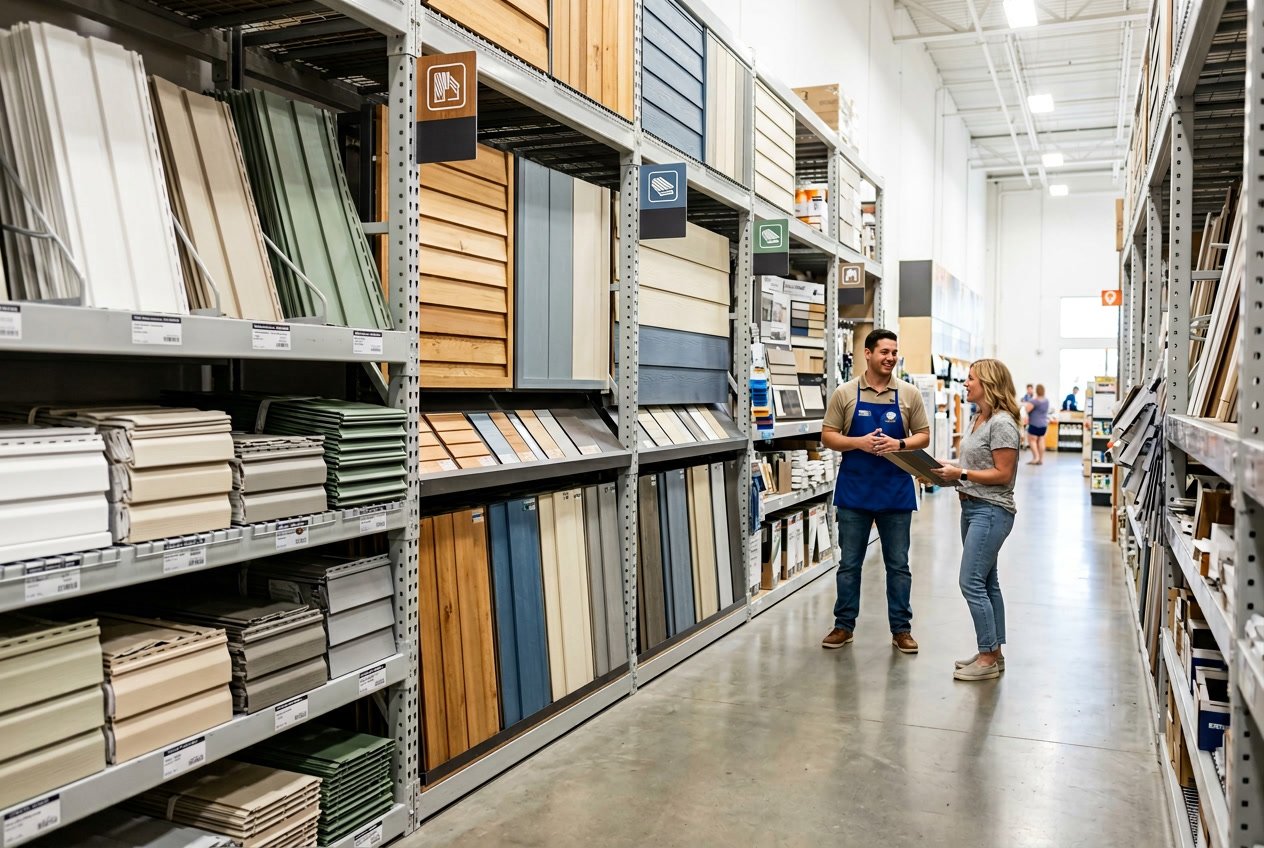
You need siding that stands up to Austin heat, sun, and occasional storms while matching your budget and home style.
Below are three common choices, with key performance points, maintenance needs, and cost-related details to help you decide.
Vinyl Siding Choices
Vinyl siding is usually the lowest-cost option per square foot and comes in many colors and textures.
You can buy standard or insulated vinyl; insulated panels add R-value and reduce noise, which helps in hotter months.
Look for Class 1 or 2 UV-stable products to avoid rapid fading under strong Texas sun.
Installation is straightforward and widely available, which keeps labor costs down.
Vinyl resists rot and insect damage but can crack or warp in hail or extreme heat.
Warranty lengths vary—check for fade and wind ratings, and ask whether the installer will back manufacturer coverage.
If you want low maintenance, vinyl needs only periodic washing.
Choose a thicker gauge (around .044 or higher) for better durability.
Match trim pieces and starter strips at the supplier to ensure a tight, weather-resistant fit.
Fiber Cement Siding Benefits
Fiber cement blends cement, sand, and cellulose fibers to create a hard, stable panel that resists moisture, rot, and insects.
It holds paint well, so you can pick colors that mimic wood grain without the upkeep of real wood.
This material stands up to hail and wind better than vinyl, and it performs well in humid heat if installed with proper flashing and house wrap.
Expect higher material and installation costs than vinyl because cutting and fastening require special tools and trained crews.
Fiber cement needs repainting every 10–15 years depending on exposure.
It’s heavier than vinyl, so confirm that your contractor accounts for extra fastening and support.
Look for brands with factory-primed or prefinished options to save time and get consistent color.
Composite Siding Features
Composite siding covers a range of engineered materials, such as engineered wood and polymer blends.
These products aim to combine durability with realistic textures, often closely matching traditional wood lap or shiplap profiles.
You’ll find options that resist moisture and insects better than natural wood and weigh less than fiber cement.
Many composite products include factory-applied finishes that reduce on-site painting and offer extended warranties against rot and decay.
Installation varies by product—some systems snap together, while others require nailing and sealing.
Check thermal expansion ratings and fastener specifications before purchase, because improper fastening can cause buckling in hot weather.
Composite siding sits midrange to high-end on price but gives you a wood-like look with lower maintenance.
Selecting a Reliable Siding Installation Service
Choose a contractor who has real experience with siding installation in Austin, clear pricing, and strong references.
Focus on installers who know local codes, handle permits, and offer written warranties.
Finding Qualified Installers
Look for contractors who list siding installation and siding Austin work on their site and show project photos from local neighborhoods.
Check Better Business Bureau ratings and recent customer reviews for responsiveness and cleanup habits.
Verify licenses and insurance.
Ask for a copy of the contractor’s general liability and workers’ comp certificates before work starts.
Confirm whether they pull city permits and follow Austin building codes.
Request at least three written bids that state materials, labor hours, start and finish dates, and disposal plans.
Compare specifics — two bids can list “vinyl” while only one names the brand and thickness.
Evaluating Warranties and Services
Ask what the warranty covers: product defects, labor, and workmanship.
Get warranty terms in writing and note the length for each item.
For example, a 25-year workmanship warranty differs from a manufacturer’s 30-year product warranty.
Check whether the installer offers a rainscreen, sheathing repair, and proper flashing around openings.
These steps help prevent rot in Austin’s heat and occasional storms.
Confirm who will service warranty claims and how claims are handled.
Look for value-added services: complimentary design mockups, price-match policies, and financing.
If the installer offers pre-qualification or financing, compare rates and fees before signing.
Tips for Working with Contractors
Create a clear contract that lists exact materials (brand, color, profile), scope of work, payment schedule, and cleanup responsibilities.
Avoid large upfront payments; a common schedule is deposit, mid-project draw, and final payment after final walk-through.
Set regular check-ins and name a single point of contact.
Take photos at key stages: old siding removal, sheathing inspection, rainscreen installation, and final caulking.
Keep a list of change orders and sign each one.
Before final payment, do a walk-through with the contractor using a checklist: siding seams, flashings, vents, paint touch-ups, and debris removal.
Get final lien waivers and warranty documents before you release the last payment.
Frequently Asked Questions
Find specific places, suppliers, and tips for buying siding in Austin.
You’ll learn where to buy new siding, where to hunt for bargains or discontinued stock, and how contractor-focused suppliers work.
What are the top-rated stores for purchasing siding materials in Austin?
Lowe’s in north Austin and other local big-box stores stock vinyl, fiber cement, and composite siding and offer installation estimates.
Local specialty suppliers and regional dealers like James Hardie distributors and independent lumberyards carry contractor-grade fiber cement, trim, and accessories that big-box stores may not stock.
Check recent Yelp and local directory listings for current top-rated installers and suppliers near your ZIP code to compare inventory and reviews.
Can you buy siding materials directly from local manufacturers in Austin?
Yes, some manufacturers and regional mills sell directly to the public or through factory outlets.
Contact manufacturers like James Hardie dealers or local millwork shops to ask about direct sales, available colors, and minimum order sizes.
Be ready to arrange pickup or delivery since some manufacturers focus on wholesale and require appointments.
Are there specialized siding material suppliers in Austin for contractors?
Yes.
Several local suppliers focus on contractors and stock larger quantities, specialty profiles, and job-site delivery.
These suppliers often offer credit terms, bulk discounts, and hold specific brands like James Hardie or professional-grade vinyl and fiber cement lines.
If you’re a contractor, ask about trade accounts, delivery windows, and warranty documentation before placing large orders.
Which Austin stores offer the best deals on wholesale vinyl siding?
Independent siding wholesalers and contractor supply houses typically offer the best wholesale vinyl prices.
Compare quotes from local wholesalers, Lowe’s Pro Desk, and regional supply companies for bulk pricing and delivery fees.
Ask about seasonal promotions, volume discounts, and contractor pricing to lower costs on large projects.
Where can I find discontinued or clearance siding materials in Austin?
Check big-box store clearance sections, Lowe’s clearance centers, and local lumberyards for discontinued or overstock siding.
Online marketplaces, local Facebook Marketplace, and salvage yards also list surplus siding and offcuts at reduced prices.
Call ahead to confirm sizes and colors because clearance stock often has limited quantities and may require color-matching work.
How to purchase siding materials from ABC Supply as a public customer?
ABC Supply primarily serves contractors. Some locations will sell to the public on a case-by-case basis.
Call the local ABC Supply branch. Ask about their public sales policy, required ID, and whether they will set up a one-time account or sell over the counter.
If they won’t sell directly, ask for a contractor referral. You can also look for local wholesalers who carry the same brands.