You can cut energy bills and keep your home more comfortable by choosing siding made for Austin’s heat and storms. Insulated fiber cement, insulated vinyl, and metal panels with thermal backing give the best balance of durability and energy savings for Central Texas homes.
These options resist sun damage, reduce heat transfer, and lower HVAC strain during long, hot summers.
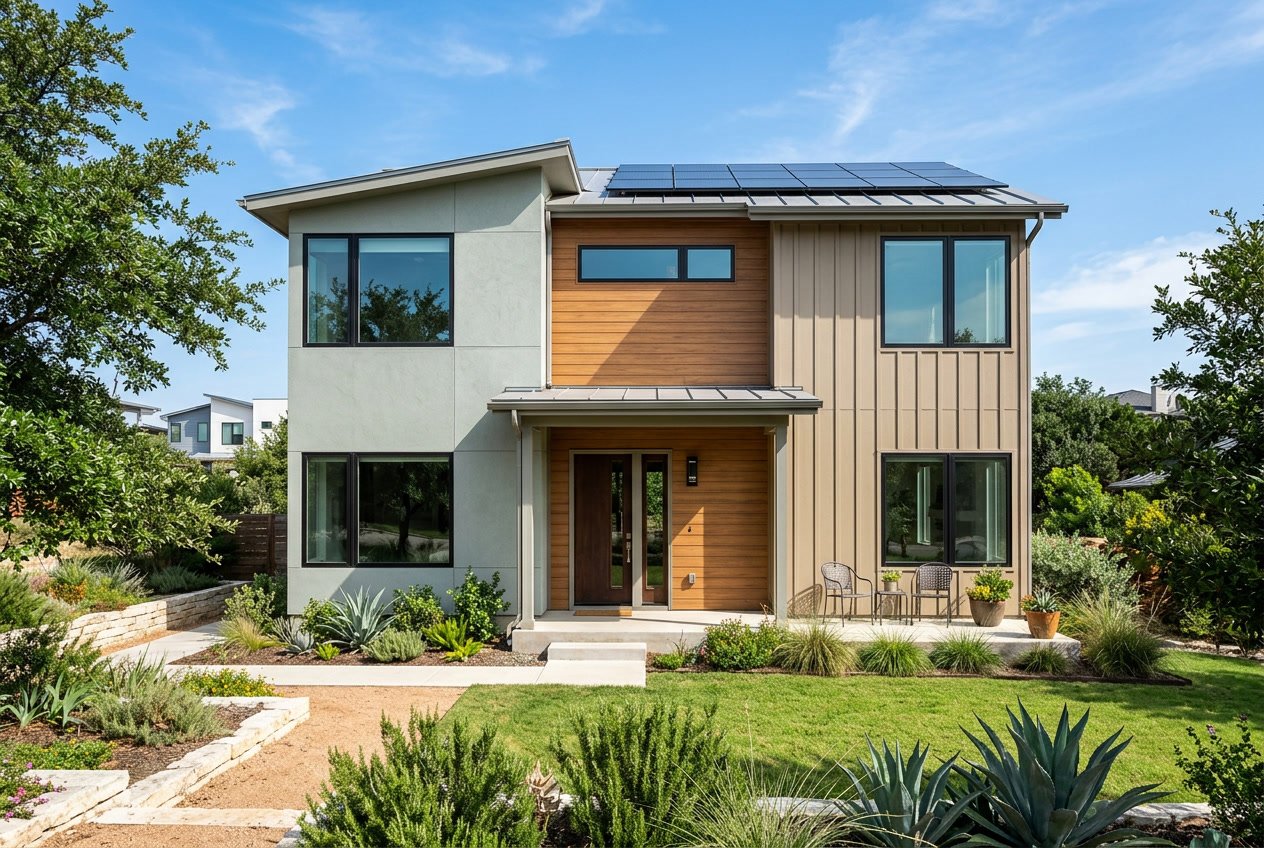
You deserve siding that lasts and adds value without constant upkeep. Find options that fit your budget, match your house style, and stand up to intense sun, humidity, and occasional hail—so your next siding decision protects your comfort and your wallet.
Key Takeaways
- Choose insulated siding types for better energy savings in Austin.
- Pick materials that resist UV, moisture, and hail for long life.
- Professional installation boosts performance and preserves home value.
Understanding Energy-Efficient Siding in Austin
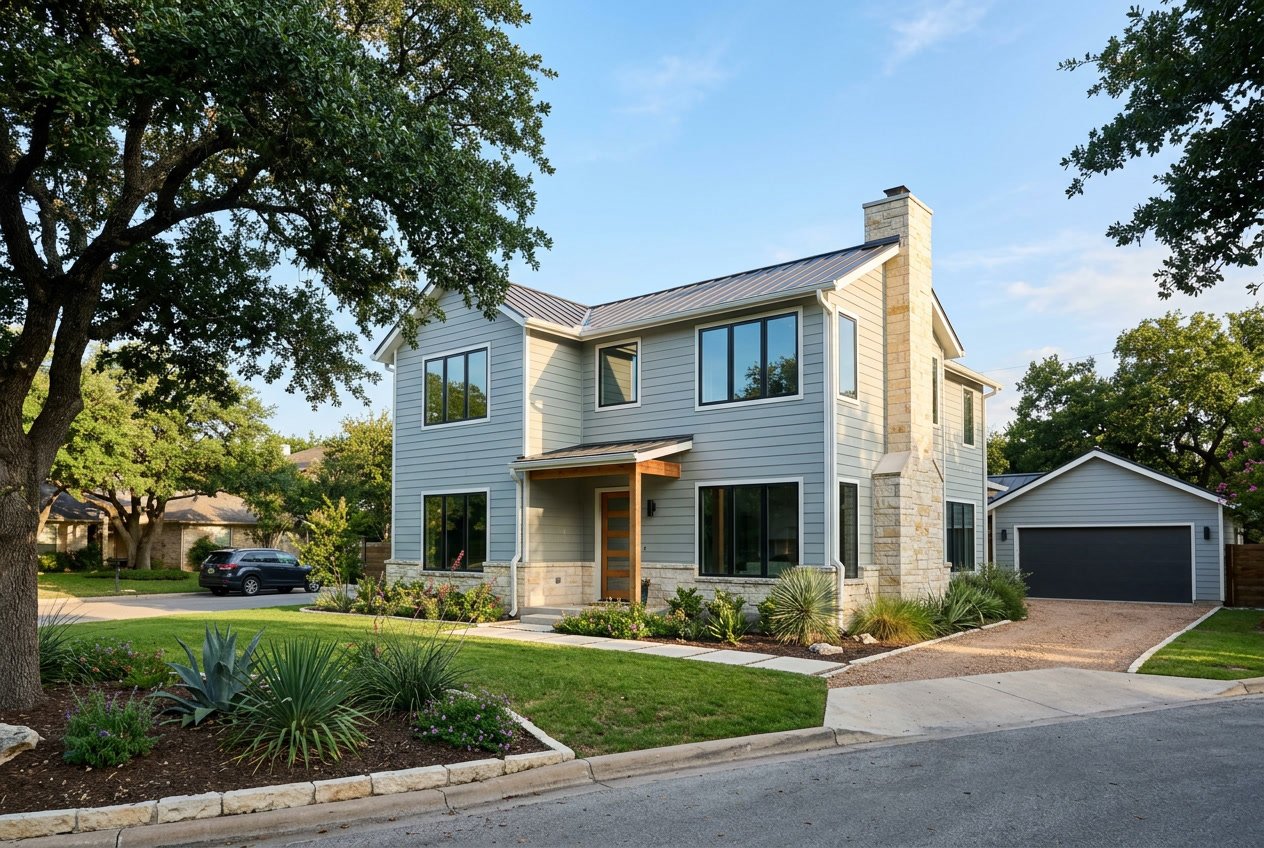
Energy-efficient siding lowers heat gain in summer, reduces heat loss in winter, and helps keep indoor temperatures steady. Choosing the right material and installation can cut cooling demand, reduce drafts, and prevent moisture damage.
How Siding Impacts Energy Efficiency
Your siding is the first line of defense against Austin’s heat and sun. Materials that reflect sunlight or include insulating layers reduce how much heat reaches your wall sheathing, so your air conditioner runs less.
Poor siding or gaps let hot air and moisture into wall cavities. That forces your HVAC system to work harder.
You’ll notice higher energy use, uneven room temperatures, and faster wear on cooling equipment. Choose siding with proven heat resistance, tight seams, and proper flashing.
Quality installation matters as much as material. Even the best siding will underperform if it isn’t sealed and fastened correctly.
Thermal Barriers and Insulation
A thermal barrier slows heat flow through your exterior wall. Insulated siding combines a foam or composite layer behind the outer cladding to add R-value directly at the wall surface.
This lowers heat transfer compared with non-insulated panels. You can also add continuous exterior insulation under many siding types — rigid foam or mineral wool — to reduce thermal bridging at studs.
That approach raises overall wall R-value and helps eliminate cold spots on interior walls. Proper ventilation and an air barrier work with insulation to control moisture.
In Austin’s climate, balancing insulation with breathable layers prevents trapped moisture that can lead to rot or mold.
Utility Bills: Signs You Need New Siding
Rising cooling bills often point to failing exterior protection. If your energy costs climb 15–30% without appliance changes, your siding might be leaking heat or letting solar gain in.
Look for cold spots, drafty rooms, or rooms that take longer to cool. Warped, cracked, or faded siding and loose seams are visual signs of lost performance.
Also check for higher humidity or mildew on interior walls, which can mean moisture infiltration. A thermal scan or energy audit will show heat loss patterns.
If you see wide heat leaks or inconsistent wall temperatures, upgrading to insulated or reflective siding will likely lower your utility bills.
Top Energy-Efficient Siding Options for Austin Homes
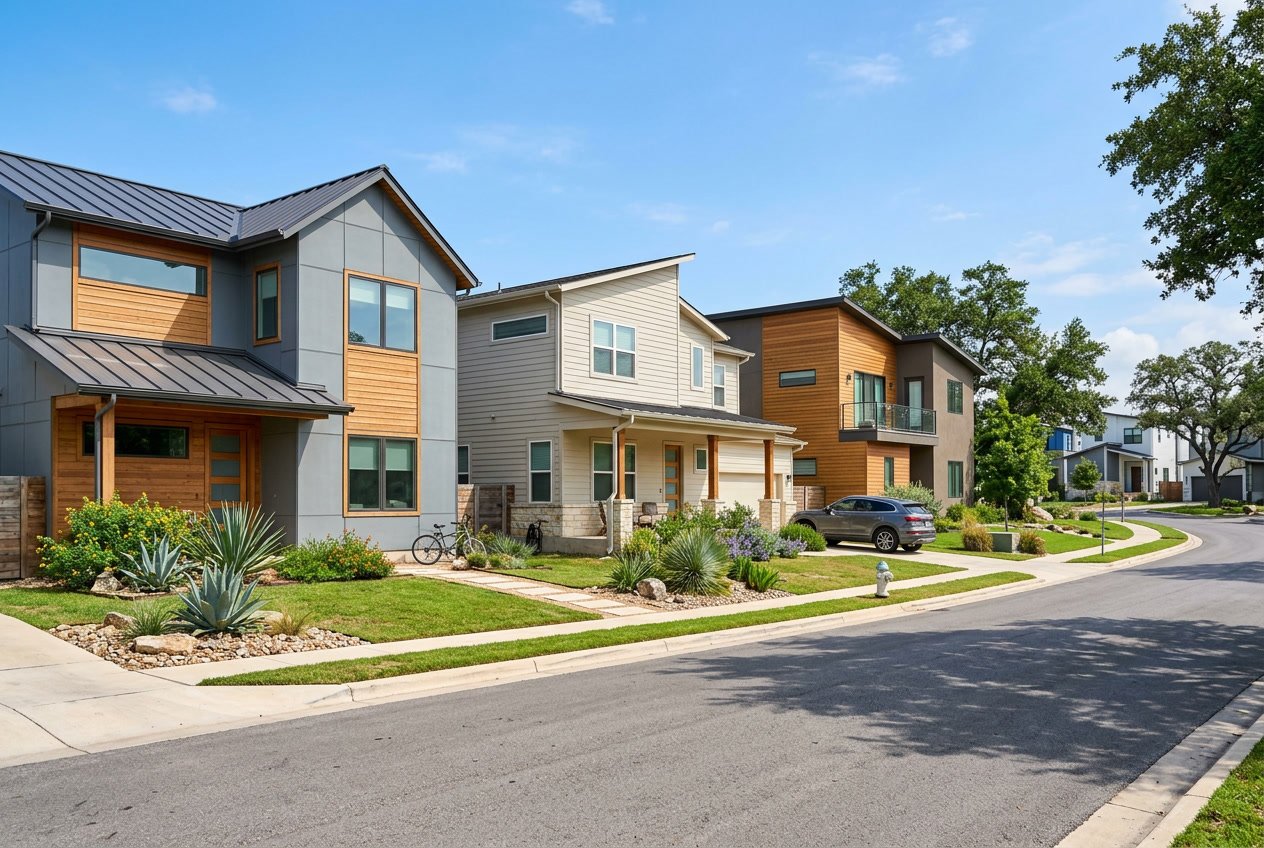
Choose siding that adds insulation, stands up to heat and sun, and resists storms. Focus on materials with proven durability, good R-values or insulation backing, and finishes that reflect heat to keep cooling costs down.
Fiber Cement Siding Solutions
Fiber cement siding, like James Hardie products, resists rot, termites, and fire—important for Texas heat and storms. It does not have high built-in R-value, but you can pair it with foam sheathing or insulated underlayment to improve thermal performance.
You get a long-lasting exterior that keeps its shape in sun and humidity. Fiber cement holds paint well, so reflective or light colors will help reduce heat absorption.
Expect higher upfront cost than vinyl, but lower maintenance and strong impact resistance during hail or wind events.
Vinyl Siding and Insulated Siding
Standard vinyl siding is lightweight, low-cost, and low-maintenance. For energy savings in Austin, choose insulated vinyl that has a foam backing integrated behind the vinyl panels to reduce heat transfer and improve wall R-value.
Insulated vinyl comes in many colors and textures and often installs faster than heavier materials. Look for products with a thicker foam layer and UV-resistant finishes to limit fading and heat gain.
Insulated vinyl balances upfront affordability with measurable cooling-bill reductions.
Engineered Wood and Composite Siding
Engineered wood siding mimics real wood grain while resisting warping and insect damage better than natural wood. When combined with rigid foam or insulated sheathing, it can deliver solid thermal performance and a warm, traditional look.
Composite siding made from wood fibers and resin adds durability and lower maintenance. Both options give you design flexibility—boards, shakes, or panels—and perform well if you select proper coatings for UV protection.
Choose certified products and install a weather-resistant barrier to prevent moisture issues in humid months.
Metal and Specialty Siding Options
Metal siding—aluminum or steel—offers high durability and excellent resistance to wind and impact. For energy efficiency in hot climates, pick metal panels with reflective coatings or insulated metal panels that include foam cores to reduce heat transfer.
Metal resists pests and fire and can be finished in light-reflective colors to cut solar heat gain. Specialty options like stucco over insulated backing or synthetic stone veneers can also add insulation when paired with proper underlayment.
Match the system to your budget and local exposure to sun and storms.
Professional Siding Installation and Replacement
Proper installation makes energy-efficient siding perform as promised. You need trained installers, a clear step-by-step process, and a trustworthy local contractor to protect your investment and keep warranties valid.
The Importance of Trained Installers
You want installers who know material-specific details for fiber cement, insulated vinyl, or engineered wood. Trained siding installers control fastener spacing, flashing, and wall ventilation to prevent water intrusion and warping.
Improper nailing, missed flashing, or poor overlap can void manufacturer warranties and lead to leaks or reduced insulation value. Certified or factory-trained crews often follow installation guides exactly and document work for warranty claims.
Look for crews with local experience in Austin’s climate. Companies like Austin Pro and other reputable local firms have handled many installations and know how heat, sun, and storms affect siding choices.
Ask about training, proof of completed jobs, and whether they provide a written warranty on labor.
Steps in the Siding Installation Process
A typical siding installation begins with a detailed inspection of sheathing, trim, and flashing. Expect a written scope that lists materials, trim work, and any repairs to underlying wood or insulation.
Next comes removal of old siding if needed, followed by repairs and installation of a weather-resistant barrier. Skilled crews install flashing around windows and doors, then the siding panels or boards, working from bottom up to maintain proper overlaps.
Final steps include trim, caulking, cleanup, and a walkthrough with you. Installers should test for gaps, check fasteners, and leave documentation for any energy-related upgrades like insulated siding.
Ask for a timeline and daily cleanup plan before work begins.
Choosing a Reliable Siding Installer in Austin
Start by checking local reviews, licenses, and proof of insurance. Focus on companies with specific siding experience rather than general contractors; siding installation specialists handle trim, flashing, and ventilation better.
Request references and photos of completed jobs in Austin’s neighborhoods. Ask if the installer offers manufacturer-certified labor warranties and whether they register the product warranty for you.
Get at least three written estimates that detail materials, labor, start and end dates, and cleanup. Compare not just price but the installer’s process, local experience, and willingness to address underlying repairs.
If you see companies like Austin Pro in the options, confirm their claims with references and written guarantees before you sign.
Maximizing Home Value and Curb Appeal with New Siding
New siding can lift your house value, lower utility bills, and create a cleaner, modern look. Focus on material choice, color, and how siding pairs with windows, doors, and the roof for the biggest impact.
Enhancing Curb Appeal and Exterior Design
Pick a siding material and color that match Austin’s light and heat. Lighter colors reflect sun and cut cooling load; fiber cement, insulated vinyl, or stucco hold color well in strong sun.
Use horizontal or vertical lines to change perceived height or width of your home. Add trim, corner boards, and a consistent paint palette to link siding to roof color and other features.
A contrasting band or accent panel around the entry draws the eye to your front door. Think about textures: smooth fiber cement or textured stucco give different looks and require different upkeep.
Choose finishes that resist fading and stand up to sun and occasional hail to keep curb appeal high over time.
Integrating Window and Door Upgrades
Replace old windows at the same time you re-side to avoid gaps and uneven flashing. Choose double-hung or casement windows with low-E glass to improve comfort and efficiency.
Proper window installation and flashing prevent water damage behind new siding. Upgrade your exterior doors and front door for visible value gains.
A new insulated steel or fiberglass front door reduces drafts and makes a strong first impression. Match door trim thickness and color to the new siding for a unified look.
Coordinate window trim, sill depth, and shutters with siding panels to avoid awkward shadow lines. Ask your contractor to show cut sheets for window and door products so you can confirm thermal performance and warranty.
Long-Term ROI and Maintenance Considerations
Prioritize materials with proven durability in Texas heat and occasional storms. Insulated fiber cement and quality insulated vinyl often deliver strong resale value and lower maintenance than wood.
Check local ROI data and contractor estimates for accurate payback timelines. Factor in maintenance tasks: fiber cement needs repainting every 10–15 years, vinyl resists paint but can warp if low quality, and stucco may need patching in wet areas.
Keep the roofing condition in mind; replacing or repairing a worn roof before new siding avoids wasted labor and ensures proper flashing. Document warranties for siding, windows, and doors.
Good records and receipts boost buyer confidence and can increase appraised home value when you sell.
Frequently Asked Questions
You will find answers on which siding types work best in Austin heat, how insulated systems cut cooling load, typical installation price ranges, resale effects, long-term savings comparisons, and maintenance needs. The entries give specific factors and realistic ranges to help you decide.
What types of siding materials are most energy-efficient in the Austin climate?
Fiber cement with an insulated backing and high-grade insulated vinyl rank high for heat resistance and stability in Austin. Metal siding with a reflective finish also helps by reflecting solar radiation, though it needs proper insulation underneath.
Engineered wood can perform well if it has moisture-resistant treatments and a thermal barrier. Low-quality vinyl and untreated wood tend to absorb more heat or degrade faster under intense sun.
How does insulated siding improve energy efficiency in homes?
Insulated siding adds a continuous layer of foam or rigid insulation under the exterior surface to reduce heat transfer through walls. That lowers the amount of work your air conditioner must do during long Austin summers.
Insulation also reduces thermal bridging at studs and can improve interior comfort and wall soundproofing. Proper installation and sealed seams are critical to achieve the expected efficiency gains.
What are approximate installation costs for energy-efficient siding on a typical home in Austin?
Expect wide variation by material, house size, and contractor. For an average 2,000 sq ft single-story home:
- Insulated vinyl: roughly $8,000–$18,000.
- Fiber cement (non-insulated): roughly $12,000–$25,000.
- Fiber cement with added insulation or engineered systems: $15,000–$30,000.
- Metal siding with insulation: $15,000–$35,000.
Costs depend on removal of old siding, trim work, permits, and local labor rates. Get several written estimates and check what each includes.
How do energy-efficient siding options impact overall home value?
Energy-efficient siding can increase curb appeal and reduce operating costs, which buyers often value. Homes with documented energy upgrades, like insulated siding, can command higher offers and sell faster in markets that prioritize efficiency.
The exact value increase depends on local buyer preferences, the quality of installation, and whether the upgrade complements other home systems (roof, windows, HVAC). Keep receipts and performance data to show prospective buyers.
Can you compare the long-term savings of different energy-efficient siding materials?
Insulated vinyl often delivers the fastest payback because of lower upfront cost and measurable cooling savings in Austin summers.
Fiber cement offers longer life and lower maintenance, so it can save more over decades despite higher initial cost.
Metal with reflective finishes can cut heat gain but needs good insulation to avoid noise and thermal loss at night.
Calculate savings by comparing local energy rates, estimated cooling load reduction (often 5–15% for good insulated systems), and projected lifespans.
What should homeowners consider when choosing energy-efficient siding in terms of maintenance and durability?
Check material resistance to UV, moisture, and pests. Fiber cement resists warping and insects but needs repainting over long cycles.
High-grade vinyl resists rot and requires little painting. Choose thicker, UV-stabilized products for Austin sun.
Factor in warranty length and expected lifespan, which can range from 20 to over 50 years depending on the material. Consider the ease of repair as well.
Plan for proper installation details, including flashing and ventilation. Good trim work helps prevent moisture problems and preserves insulation performance.