How to Choose Siding Material in Austin, TX
Professional How to Choose Siding Material in Austin, TX — Licensed, Insured & Locally Owned
Learn how to choose siding material in Austin, TX based on heat, hail & local conditions. Barton Creek Siding Experts — call (512) 634-8683 for a free consult.
- Service area
- Austin, TX & nearby
- Phone
- (512) 634-8683
- Hours
- Mon-Sun: 7:00 am – 7:00 pm
- Estimates
- Free, no obligation
Selecting the right siding material for your Austin home is one of the most consequential exterior decisions you will make. Austin’s unique blend of intense summer heat, unpredictable hail storms, high humidity corridors near the Colorado River, and expansive clay soils creates a set of environmental demands that most national siding guides simply do not address. The wrong material can warp, crack, fade, or fail within a few years, leaving you with costly repairs and diminished curb appeal.
At Barton Creek Siding Experts, we specialize in helping Austin-area homeowners evaluate their options based on real local conditions — not generic industry charts. Our team serves neighborhoods across the Hill Country fringe, the Barton Creek greenbelt corridor, and throughout Central Austin. Whether you are building new, replacing aging wood siding, or upgrading from vinyl to fiber cement, we walk you through every factor that matters. Call us today at (512) 634-8683 to schedule a free consultation.
Understanding How to Choose Siding Material in Austin
Choosing siding material is the process of evaluating exterior cladding options against a defined set of criteria — climate resilience, moisture management, thermal performance, aesthetic compatibility, maintenance burden, and long-term cost — and selecting the product that best balances those factors for a specific home and location. It is not simply a matter of picking a color or style from a manufacturer’s brochure.
Historically, Central Texas homes relied heavily on painted wood lap siding and brick veneer, both of which were readily available during Austin’s primary residential building booms in the 1950s through the 1980s. Neighborhoods like Zilker, South Lamar, and Oak Hill contain large concentrations of mid-century ranch homes originally clad in painted wood or hardboard. As Austin’s population surged — growing from approximately 250,000 residents in 1980 to over one million by the 2020s — new construction expanded rapidly into areas like Circle C Ranch, Bee Cave, and Dripping Springs, introducing vinyl siding, engineered wood, and fiber cement products to the regional palette.
Read moreShow less
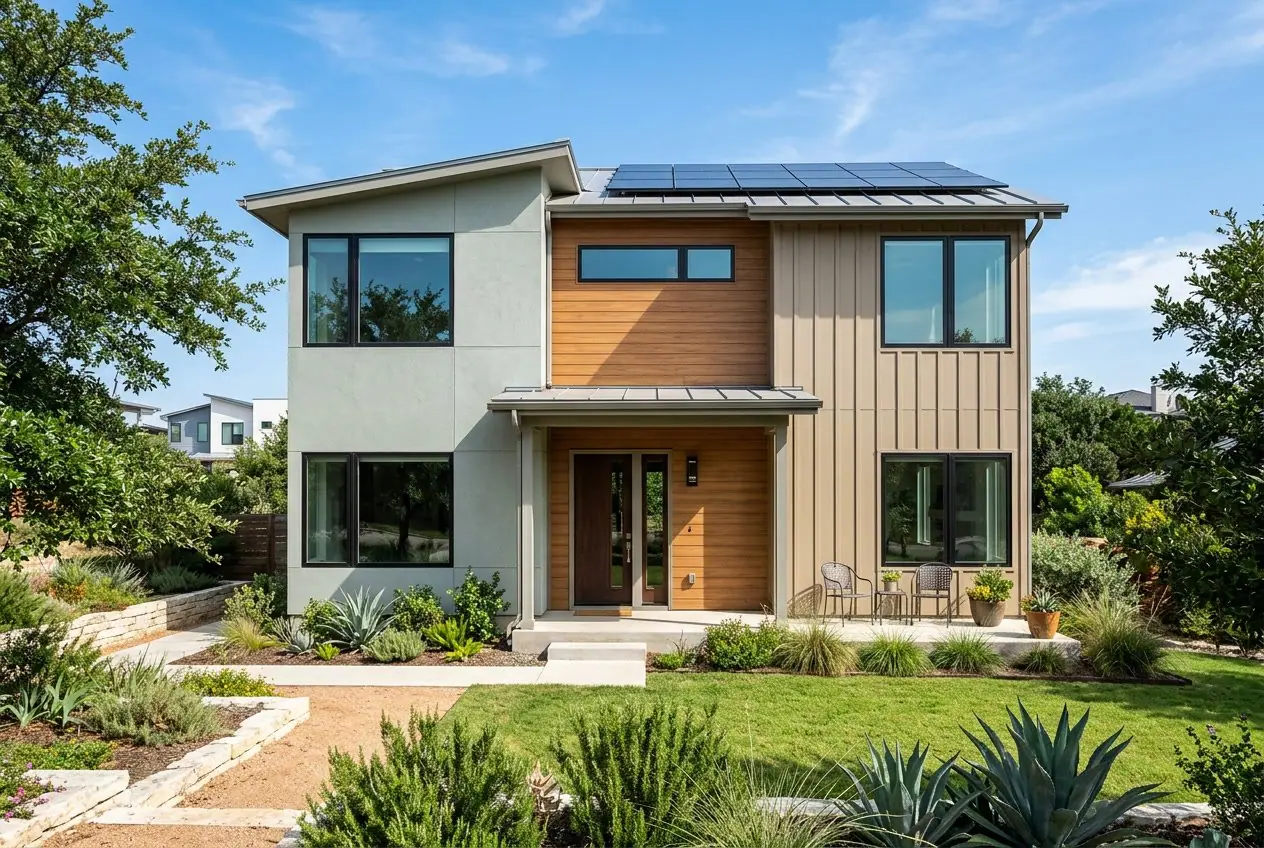
Today, Austin’s housing stock is unusually diverse in age and style. A Craftsman bungalow near Zilker built in 1942 has entirely different siding needs than a contemporary farmhouse in West Lake Hills built in 2019. The selection process must account for the original construction era, the structural substrate beneath the existing cladding, local HOA requirements (which are particularly stringent in communities like Barton Creek and Circle C Ranch), and the specific microclimate of the lot.
Fiber cement siding — particularly James Hardie products — has become the dominant choice in Austin over the past fifteen years because it combines dimensional stability with strong resistance to the extreme UV index typical of Central Texas summers. Vinyl remains popular in value-tier projects but carries specific performance limitations above 100°F ambient temperatures, which Austin regularly exceeds from June through September. Understanding these trade-offs is the foundation of an informed siding decision.
Barton Creek Siding Experts offers professional siding inspection services to assess your current cladding and identify the best replacement or upgrade path for your specific home.
Why Choosing the Right Siding Material Matters in Austin, TX
Extreme Heat and UV Radiation
Austin averages 228 sunny days per year and regularly records high temperatures between 100°F and 109°F during July and August. The UV index in Central Texas frequently reaches 11 (extreme) during peak summer months. Standard vinyl siding, which is manufactured to perform reliably up to approximately 95°F surface temperature, can experience panel warping and color fading when south- and west-facing elevations absorb direct afternoon sun. Homes in exposed neighborhoods like Lakeway, Bear Creek, and the Village at Western Oaks — where lots are often cleared of mature tree canopy — face accelerated vinyl degradation. Fiber cement and James Hardie products carry pigment systems and baked-on finishes rated for 15-year fade warranties specifically because of markets like Austin.
Hail Events
The Austin metro sits within a recognized hail corridor. Notable storms include the April 2016 hailstorm that produced baseball-sized hail across South Austin and caused an estimated $1.4 billion in insured losses across Travis County. The March 2021 event dropped golf-ball-sized hail across Pflugerville, Round Rock, and North Austin. Thinner vinyl panels (0.040 inches) dent and puncture under hail impact, while fiber cement panels rated at 5/16-inch thickness or greater demonstrate superior impact resistance. If your home sits in Shady Hollow, Buda, or Dripping Springs — areas that statistically experience frequent storm tracks — impact resistance should be a top selection criterion.
Expansive Clay Soils and Structural Movement
Austin is underlain predominantly by Austin Chalk and Taylor Marl formations, both of which support highly expansive Vertisol clay soils — locally referred to as “black gumbo.” These soils swell significantly when wet and contract sharply during drought. The 2011 Texas drought, which remains the most severe single-year drought on record, caused widespread foundation movement across Barton Creek, Lost Creek, and Rollingwood neighborhoods. When foundations shift by even 1–2 inches, rigid siding materials like brick veneer can crack at mortar joints, while properly installed fiber cement with appropriate expansion gaps accommodates minor movement without visible failure.
Humidity Variance and Moisture Intrusion
Despite its reputation for heat, Austin experiences relative humidity swings from below 20% in winter drought conditions to above 90% during spring storm seasons. Homes near Barton Creek, Zilker, and the Colorado River corridor experience elevated baseline humidity year-round. Untreated wood siding and older hardboard products absorb and release this moisture repeatedly, leading to paint failure, rot at lap seams, and eventually structural damage to wall sheathing. Moisture management — through the right siding material paired with a proper housewrap and drainage plane — is a non-negotiable consideration for Austin homes.
Wildfire Proximity
Western Austin communities — including Bee Cave, West Lake Hills, and properties adjacent to the Barton Creek Greenbelt — are classified in the Wildland-Urban Interface (WUI) zone. Travis County and Hays County periodically issue burn bans, and the October 2011 wildfires burned thousands of acres in surrounding counties. For homes in these zones, fire-rated siding materials, including non-combustible fiber cement, provide an additional layer of protection that vinyl and wood products cannot match.
Free, no-obligation estimates
Talk to Barton Creek Siding Experts
Tell us what you need and we’ll take it from there.
Signs You Need to Evaluate or Replace Your Siding in Austin
Visual Deterioration
- Visible warping, buckling, or bowing on south- and west-facing panels — common in Austin homes with vinyl siding after 10+ years of sun exposure
- Widespread paint failure, peeling, or chalking on wood or hardboard siding
- Hail impact dents, cracks, or punctures across multiple panels
- Fading so significant that the original color is unrecognizable
Structural and Moisture Indicators
- Soft spots or spongy areas when pressing against siding panels — indicating substrate rot beneath the cladding
- Interior wall staining or moisture on drywall near exterior walls after heavy rain events
- Visible mold or mildew growth at lap seams or panel edges, especially on north-facing or shaded elevations
- Caulk failure at window and door trim joints
Performance and Energy Urgency Indicators
- Noticeably higher cooling bills in June–August compared to similar homes on your street
- Drafts detectable at interior walls during Austin’s strong southerly winds
- Siding panels that have been re-nailed or patched repeatedly over multiple seasons
If you observe two or more of these signs, contact Barton Creek Siding Experts at (512) 634-8683 for a comprehensive siding inspection.
Siding Material Methods and Approaches We Use in Austin
James Hardie Fiber Cement Installation
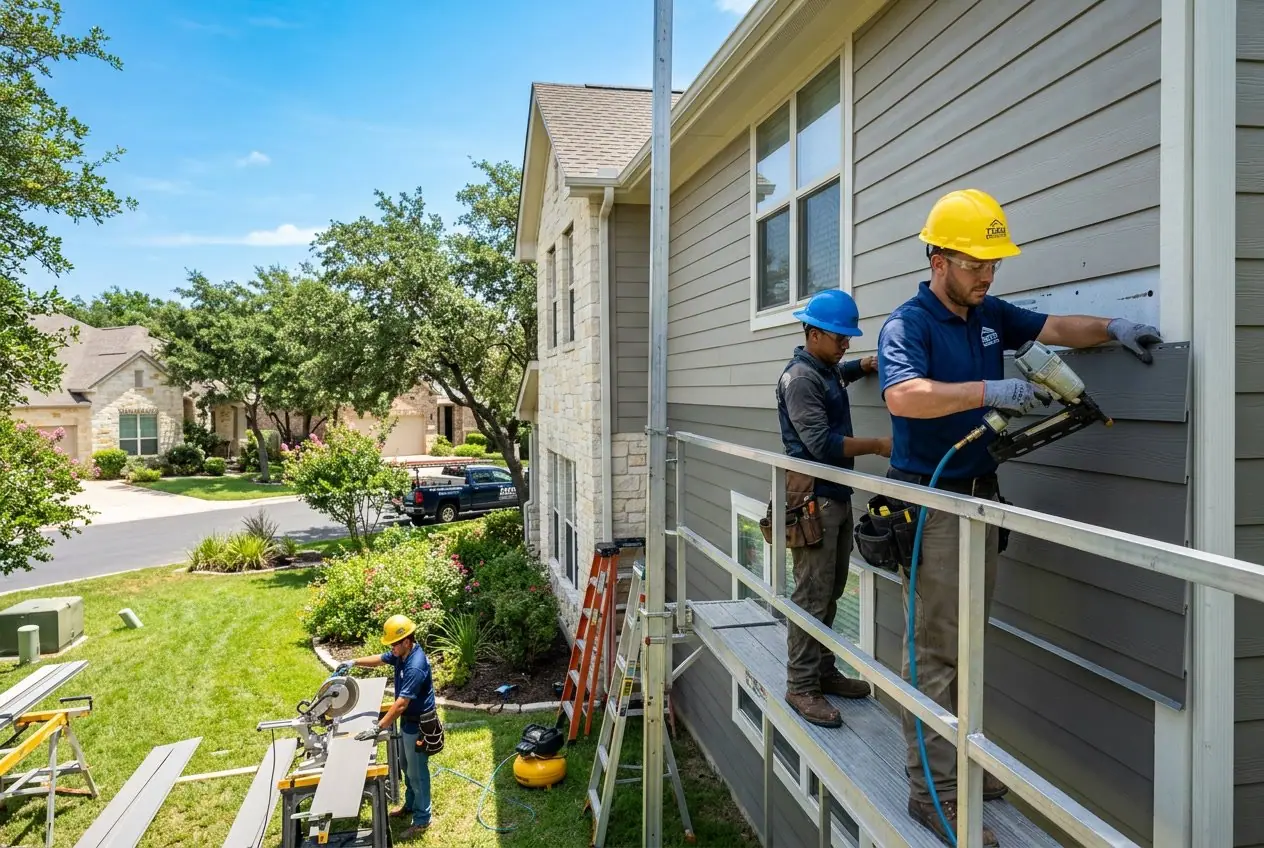
James Hardie fiber cement — including HardiePlank lap siding, HardiePanel vertical siding, and HardieShingle — is our most frequently installed product in Austin. It is manufactured with a proprietary formulation designed specifically for “Region 4” (hot, humid climates), which includes Central Texas. Panels arrive pre-primed and are available in ColorPlus factory-applied finishes with a 15-year fade warranty. We install James Hardie products with stainless steel or hot-dipped galvanized nails to prevent rust staining on the panel face — a common failure mode in lesser installations. Learn more about our James Hardie installation services.
Vinyl Siding Installation
For budget-conscious projects or homes in shaded settings where thermal expansion is less severe, premium vinyl (0.046-inch thickness or greater) remains a viable option. We install vinyl with correct nail slot expansion clearance — critical in Austin’s temperature extremes — and specify insulated-back vinyl panels for improved energy performance. Explore our vinyl siding installation options.
Learn moreBoard and Batten Siding Installation
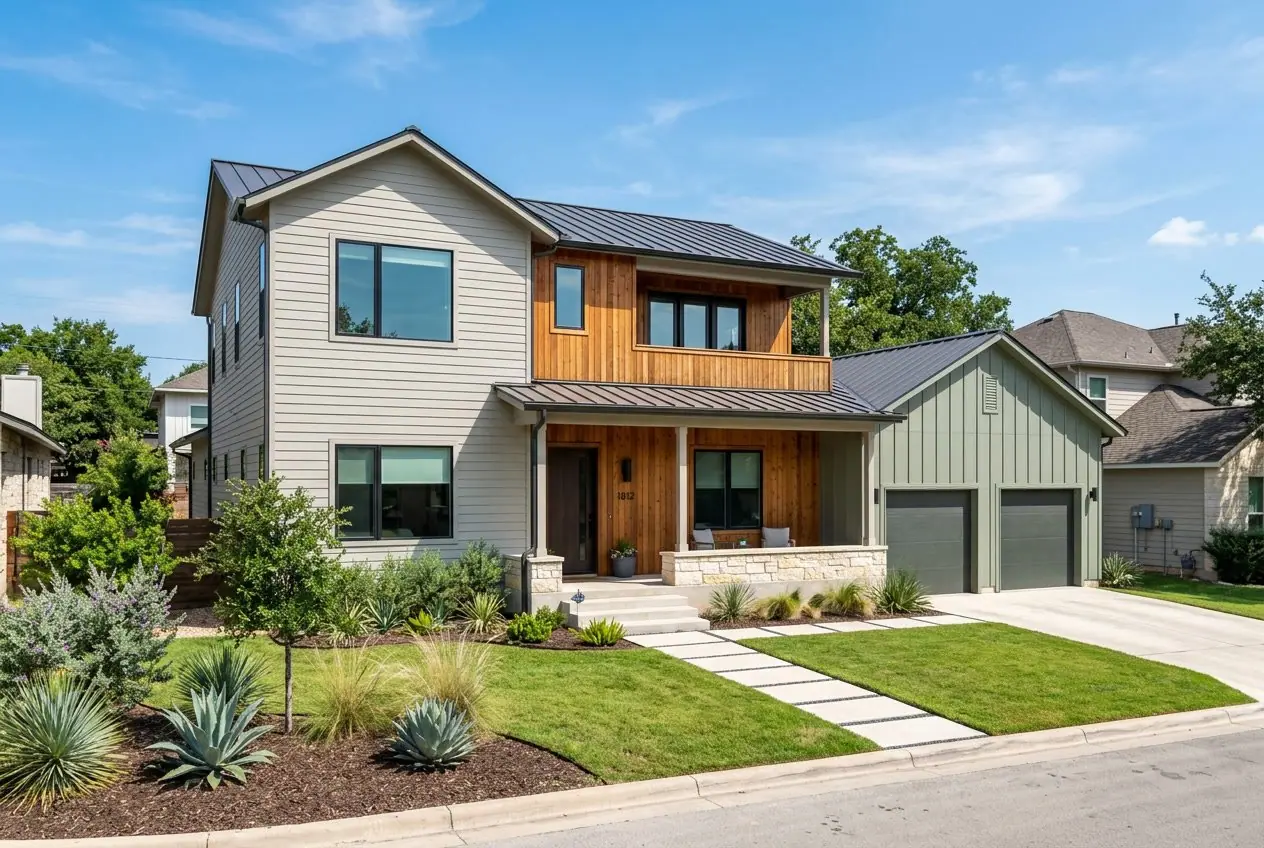
Board and batten profiles have surged in popularity in Austin’s contemporary farmhouse and Hill Country modern design scenes, particularly in new construction in Bee Cave, Dripping Springs, and Lakeway. We install board and batten in both fiber cement (James Hardie HardiePanel with batten) and engineered wood substrates depending on budget and exposure conditions. View our board and batten siding services.
Learn moreHybrid Material Approaches
Many Austin homes benefit from using different materials on different elevations — fiber cement on exposed south and west faces where heat and UV are most intense, and premium vinyl on protected north and east elevations where cost savings are possible without performance compromise. We design hybrid specifications for the specific exposure profile of each home.
How to Choose Siding Material in Austin — Cost Information
Siding costs in Austin vary significantly based on material selection, home size, substrate condition, and project complexity. The following ranges reflect current Austin-market pricing as of 2024.
Material Cost Ranges (Installed)
- Vinyl Siding: $5.00–$9.00 per square foot installed for standard profiles; premium insulated vinyl $9.00–$13.00 per square foot
- Fiber Cement (James Hardie HardiePlank): $10.00–$16.00 per square foot installed, including primer coat or ColorPlus factory finish
- James Hardie Board and Batten (HardiePanel + Batten): $12.00–$18.00 per square foot installed
- Engineered Wood (LP SmartSide): $9.00–$14.00 per square foot installed
Whole-Home Project Estimates
- Typical 1,500 sq ft Austin ranch home (approximately 1,200 sq ft of siding surface): $8,000–$20,000 depending on material
- Larger two-story home, 2,500–3,200 sq ft living area: $15,000–$38,000
- Substrate repair (rotted sheathing, water damage): $800–$4,000 additional, highly variable
Read moreShow less
Austin-Specific Cost Factors
Austin’s labor market has tightened significantly since 2020 due to the metro’s rapid growth, which pushes installation labor rates 10–15% above national averages. Material lead times from regional distributors in the Austin/San Antonio corridor occasionally extend 2–4 weeks for specialty James Hardie profiles. HOA architectural review fees, where applicable in communities like Barton Creek or Circle C Ranch, typically run $50–$200. City of Austin building permits for full siding replacement are generally $300–$800 depending on project valuation.
Call us at (512) 634-8683 for a precise, no-obligation estimate for your home.
Neighborhoods We Serve in and Around Austin
Barton Creek and West Lake Hills
Homes in these elevated Hill Country neighborhoods, many built between 1985 and 2005, frequently feature original painted wood or early-generation fiber cement that has reached end-of-life. The canyon-facing exposures and cedar-heavy vegetation create moisture retention challenges on shaded elevations. HOA design standards require close attention to material and color approval.
Zilker and South Lamar
This corridor contains a high concentration of 1940s–1960s bungalows and ranch homes with original wood lap siding. Many are undergoing renovation or ADU addition projects that require matching or complementing original profiles with modern materials. We have extensive experience navigating the design compatibility expectations of this architecturally sensitive area.
Circle C Ranch and Shady Hollow
These 1990s-era master-planned communities contain large inventories of homes with original vinyl siding now approaching 25–35 years of age — a typical replacement threshold. HOA review is required in Circle C Ranch. The open-lot character of Shady Hollow creates significant UV exposure on all elevations.
Bee Cave and Lakeway
Rapid growth has brought a mix of new construction and 2000s-era homes to this corridor. Wildland-Urban Interface proximity makes fire-rated siding materials an important consideration. We serve both new construction siding specifications and replacement projects throughout this area.
We also serve Buda, Dripping Springs, Oak Hill, Rollingwood, Sunset Valley, Bear Creek, Lost Creek, Downtown Austin, and the Village at Western Oaks. View our full service area.
Siding Maintenance Tips for Austin Homeowners
Once you have selected and installed the right siding material, proper maintenance extends its service life significantly in Austin’s demanding climate.
- Annual Power Washing: Rinse all siding surfaces each spring (April is ideal) to remove pollen — Austin’s cedar and oak pollen seasons are among the heaviest in the nation — as well as dirt and mold spores before summer heat bakes them into the surface.
- Caulk Inspection After Major Storms: After any hail event or severe thunderstorm, inspect all caulk joints at windows, doors, and trim for cracking or separation. Austin’s storm frequency makes this an annual minimum.
- Inspect Lap Seams for Moisture Intrusion: Use a moisture meter probe at bottom-course lap seams annually, particularly on north and shaded elevations where moisture lingers longest.
- Trim Vegetation Back 12 Inches: Austin’s aggressive cedar, live oak, and yaupon growth means vegetation contact with siding is a persistent moisture and pest risk. Maintain a 12-inch clearance minimum.
- Repaint Wood or Primed Fiber Cement on Schedule: Field-primed (not ColorPlus) fiber cement should be topcoat painted within 90 days of installation and repainted every 7–10 years. Austin’s UV index accelerates paint degradation compared to northern climates.
- Check Irrigation System Spray Patterns: Many Austin homes have drip or spray irrigation that incidentally wets siding repeatedly. Redirect spray heads to maintain minimum 12-inch clearance from the foundation line and siding base.
- Schedule a Professional Inspection Every 3–5 Years: Learn about our siding maintenance programs designed specifically for Austin-area conditions.
Why Choose Barton Creek Siding Experts
Barton Creek Siding Experts is an Austin-rooted siding company with deep expertise in the specific environmental challenges that Central Texas homeowners face. We are not a national franchise applying generic installation standards — we are a local team that understands the difference between a shaded Zilker bungalow and an exposed Lakeway hilltop home, and we spec accordingly.
Our services span the full project lifecycle: siding inspection, installation, full replacement, repair, and ongoing maintenance. We install all major siding systems including vinyl, fiber cement, James Hardie, and board and batten.
We provide transparent, itemized written proposals — no bait-and-switch pricing. We navigate HOA approvals, City of Austin permits, and insurance claim coordination on your behalf. Our deep familiarity with Austin’s neighborhoods, soil conditions, storm history, and HOA landscape means your project is informed by genuine local knowledge from the first consultation call.
Call us at (512) 634-8683 to experience the difference that local expertise makes.
FAQ
Frequently Asked Questions — Choosing Siding Material in Austin, TX
What is the best siding material for homes in Austin, TX?
For most Austin homes, James Hardie fiber cement siding is the highest-performing choice due to its resistance to extreme UV, hail impact, humidity cycling, and fire — all relevant risks in the Austin area. Premium vinyl is a cost-effective alternative for homes with significant shade coverage and lower hail exposure. The “best” material is always specific to your home’s orientation, neighborhood, budget, and HOA requirements, which is why we recommend a professional assessment before committing.
How much does siding replacement cost in Austin?
Installed costs in the Austin market range from approximately $5.00–$9.00 per square foot for standard vinyl to $10.00–$18.00 per square foot for James Hardie fiber cement profiles. A complete siding replacement on a typical 1,500 sq ft Austin ranch home runs $8,000–$20,000 depending on material selection and substrate condition. Contact us at (512) 634-8683 for a precise estimate.
Does vinyl siding hold up in Austin’s heat?
Standard vinyl siding can warp and fade under the intense UV and surface temperatures common on Austin’s south- and west-facing walls from June through September. If you choose vinyl, specify premium-grade panels (0.046-inch thickness or thicker) and select lighter colors that reflect rather than absorb heat. Insulated-back vinyl panels also perform better thermally. For maximum heat performance, fiber cement remains the superior choice in Austin’s climate.
How long does a siding installation project take in Austin?
A full siding replacement on a typical single-story Austin home (1,200–1,500 sq ft of siding surface) takes approximately 5–10 business days for installation, depending on material, crew size, and weather. Larger two-story homes may require 10–15 business days. Pre-project lead time — including HOA review, permitting, and material delivery — can add 2–4 weeks in the current Austin market. We provide a detailed schedule in your written proposal.
Do I need a permit to replace siding in Austin, TX?
Yes. The City of Austin requires a building permit for full exterior siding replacement. Permit fees typically range from $300–$800 depending on the declared project value. Some municipalities in our service area — including Bee Cave and West Lake Hills — have their own permitting jurisdictions with separate requirements. Barton Creek Siding Experts manages the permitting process on your behalf as part of our full-service approach.
My neighborhood has an HOA. Can you help with the approval process?
Absolutely. We are familiar with HOA architectural review requirements in communities including Barton Creek, Circle C Ranch, West Lake Hills, and Bee Cave. We prepare the required documentation — material specifications, color samples, manufacturer data sheets — and submit on your behalf. Most Austin-area HOA reviews are completed within 2–4 weeks, and we build this timeline into your project schedule.
How do Austin’s hail storms affect my siding choice?
Austin sits in an active hail corridor. The April 2016 event caused over $1.4 billion in Travis County insured losses alone. Fiber cement siding panels (5/16-inch thickness) significantly outperform vinyl in impact resistance. If you are filing an insurance claim for hail damage and replacing siding, this is an ideal opportunity to upgrade from vinyl to fiber cement — many Austin-area insurance settlements can partially offset the material cost difference. We have experience working with adjusters on siding claim documentation.
Is board and batten siding a good choice for Austin homes?
Board and batten has become extremely popular in Austin’s contemporary farmhouse and Hill Country modern design aesthetic, particularly in Bee Cave, Dripping Springs, Lakeway, and new Circle C Ranch construction. In fiber cement (James Hardie HardiePanel with applied batten strips), it performs excellently in Austin’s climate. Vertical profiles also shed water efficiently during Austin’s intense spring thunderstorms. It is a strong architectural and performance choice when properly installed with correct flashing and moisture barrier details.
Ready to Choose the Right Siding for Your Austin Home?
Do not leave one of your home’s most critical exterior decisions to guesswork or a generic online guide. Austin’s heat, hail, clay soils, and wildfire proximity demand a siding selection process grounded in real local knowledge. Barton Creek Siding Experts is here to guide you through every step — from material evaluation and HOA coordination to professional installation and long-term maintenance.
Serving homeowners across Austin, Barton Creek, West Lake Hills, Bee Cave, Lakeway, Dripping Springs, Zilker, South Lamar, Circle C Ranch, Shady Hollow, and surrounding communities.
Call us today at (512) 634-8683 to schedule your free siding consultation. Our team is ready to help you make the confident, informed choice your Austin home deserves.
Get in touch
Find siding help near you
Request a free estimate online or give us a call — our team will follow up quickly.
- Call us(512) 634-8683
- Visit7500 Rialto Blvd suite 250 #07, Austin, TX 78735
- HoursMon-Sun: 7:00 am – 7:00 pm